
ZTE RRU R8862 vs R8882: A Practical Comparison for Field Engineers and Procurement Teams
I often see buyers face a simple question, then lose time, money, and confidence when the real network details are not checked first.
ZTE R8862 and R8882 should be compared by site demand, BBU compatibility, sourcing condition, power plan, lead time, and long-term network goals. I do not treat one model as always better. I treat each one as a fit for a different budget, risk level, and upgrade path.
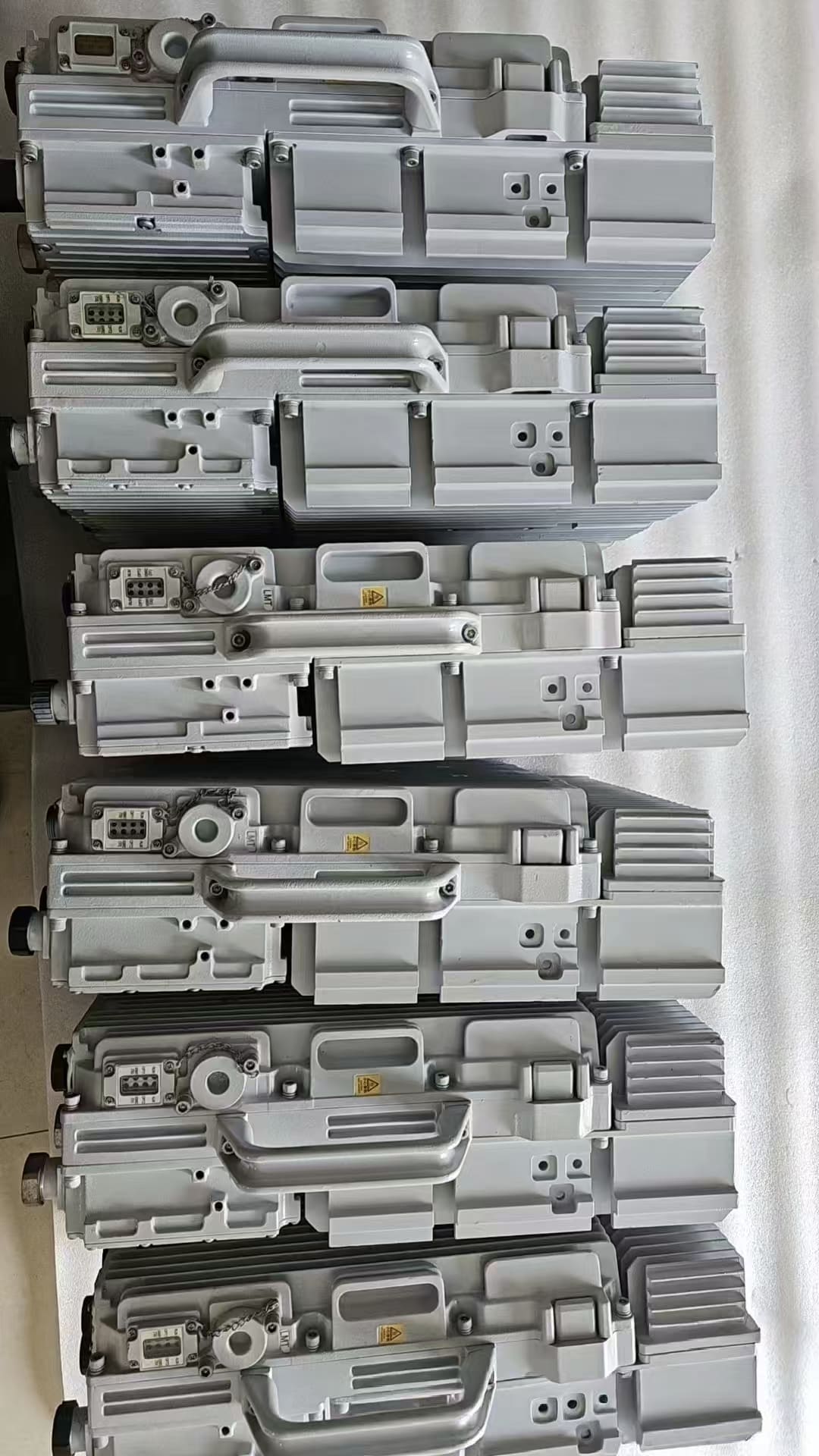
I write this guide from my work as a B2B telecom spare parts supplier. I handle sourcing, testing, delivery, and after-sales support for telecom equipment from ZTE, Huawei, Ericsson, Nokia, Juniper, and other brands. I do not write this as a lab test report. I write it as a practical buying guide based on the questions I hear from procurement teams and field engineers. The useful question is not “Which RRU is better?” The useful question is “Which RRU reduces risk for this network, this site, this budget, and this delivery window?”
Is ZTE R8882 Always Better Than ZTE R8862?
I see many teams assume the newer model is safer, but that assumption can raise cost and create delays if the existing network does not need it.
ZTE R8882 is not always the better choice. I usually compare R8862 and R8882 by deployment stage, site capacity needs, BBU match, available stock, unit condition, and future upgrade plan. R8862 can still be a smart choice for stable 4G expansion when cost control is important.
I Start With the Network Goal
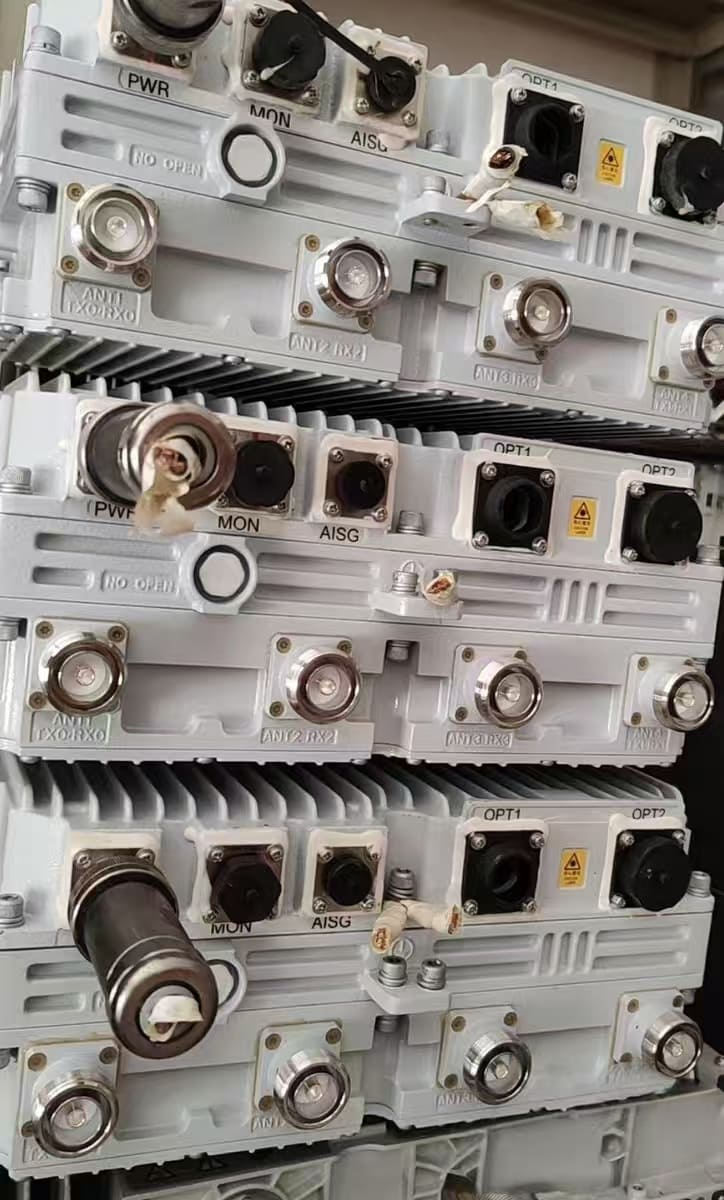
I do not start with the model number. I start with the job the RRU must do. If a customer is maintaining an existing LTE network, replacing failed units, or adding limited coverage, R8862 may be enough. If the site plan includes higher capacity, more strict performance targets, or a newer network roadmap, R8882 may be more suitable.
I Look at Lifecycle, Not Just Age
A common procurement mistake is to treat “older” as “bad.” In real sourcing work, older can also mean mature, available, and easier to price. R8862 is often seen in the secondary market, so it may offer strong savings. But the benefit depends on testing quality and supplier control.
| Decision Point | R8862 Practical Meaning | R8882 Practical Meaning |
|---|---|---|
| Network stage | Often useful for existing LTE support | Often selected for newer plans |
| Budget pressure | Can reduce purchase cost | Usually needs a higher budget |
| Sourcing style | More common in refurbished or used supply | More often requested as new or newer stock |
| Risk control | Needs careful testing and warranty | Needs careful compatibility and lead time check |
I do not tell customers to chase the newest item first. I ask them to confirm the site plan. A newer unit can be unnecessary if the network only needs a stable replacement. An older unit can become expensive if it causes hidden integration work. The correct answer sits between engineering need and sourcing reality.
How Should I Compare Compatibility And Total Cost Of Ownership?
I often see procurement teams focus on unit price, while engineers focus on technical details, and the project suffers when both sides do not share the same cost view.
I compare R8862 and R8882 by total cost of ownership, not only by price. I include BBU compatibility, software version, site power, accessories, installation time, failure risk, warranty terms, and replacement availability. A cheaper unit is not cheaper if it creates extra work later.
I Check BBU And Software First
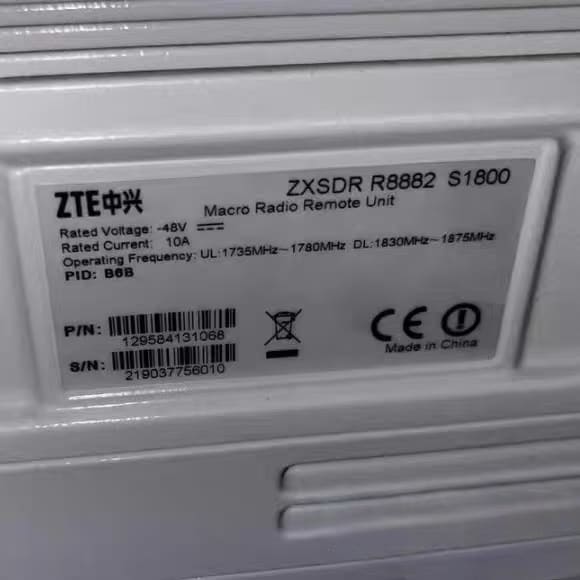
The first technical question I suggest is simple. I ask, “Which BBU will this RRU connect to?” Many customers mention ZXSDR B8200 or other ZTE baseband units. I do not assume compatibility from the RRU model name alone. I ask for the current configuration, software version, frequency band, and site plan.
I Add Hidden Costs To The Buying Price
The invoice price is only one part of the decision. A low-priced R8862 can be a good deal if it is tested, compatible, and ready to ship. The same low-priced R8862 can be a bad deal if the unit needs parts, has unstable performance, or requires extra integration work. R8882 can also create cost pressure if lead time is long or if the project needs fast rollout.
| Cost Item | Why I Count It | What I Ask Before Quoting |
|---|---|---|
| BBU compatibility | It affects installation success | What BBU model and software version are used? |
| Power use | It affects site operation cost | What is the site power limit? |
| Fiber and cable match | It affects installation time | Are connectors and cables already prepared? |
| Warranty | It affects purchase risk | Is the unit new, refurbished, or used? |
| Lead time | It affects rollout schedule | Is the project urgent or planned? |
From a sourcing and testing point of view, I see that TCO gives a fairer answer than unit price. Engineers protect network performance. Procurement protects budget. TCO helps both sides speak the same language. I use it because it reduces disputes after delivery.
When Does Refurbished ZTE R8862 Make Sense?
I see refurbished equipment save real money, but I also see buyers get into trouble when they treat all refurbished units as equal.
Refurbished ZTE R8862 can make sense when the network needs cost-effective LTE support, the supplier can test the unit properly, the warranty is clear, and compatibility is confirmed. The savings are useful only when quality control is strong and after-sales support is real.
I Separate Price Savings From Sourcing Risk
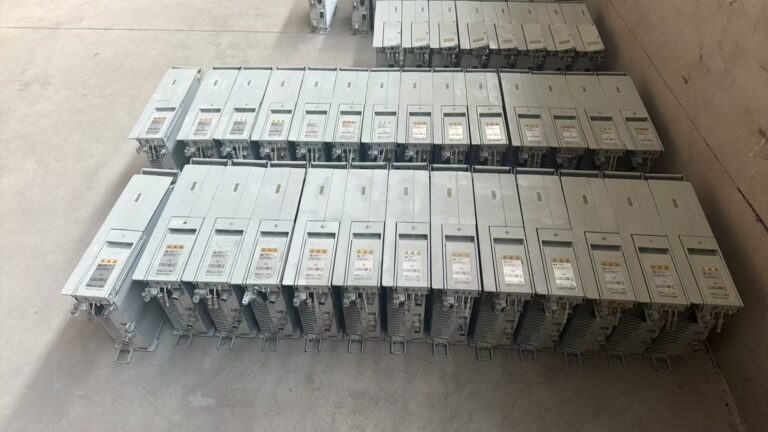
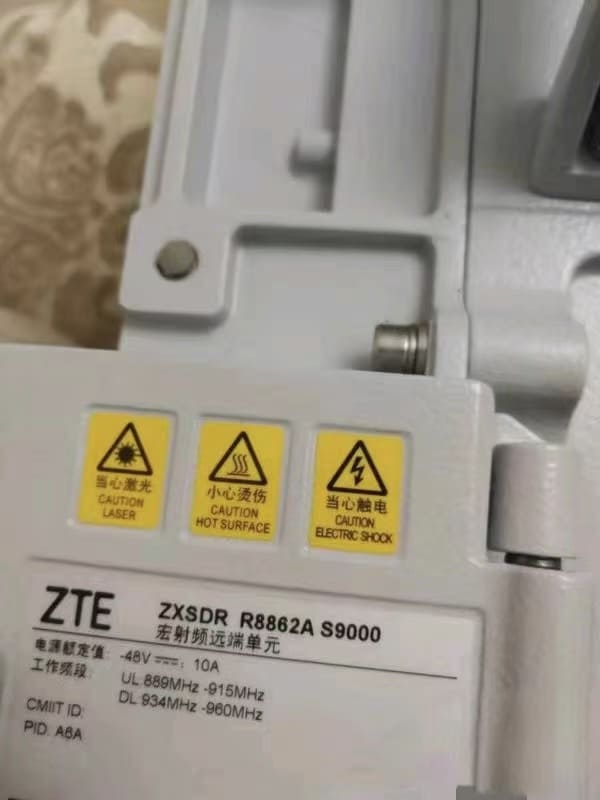
R8862 is more common in the secondary market than many newer units. This can be a strong advantage for operators, service companies, and global buyers who need spare stock quickly. But secondary supply has different grades. Some units are clean and stable. Some units need repair. Some units look fine outside but fail under load.
I Treat Testing As Part Of The Product
In my work, I do not see refurbished equipment as only hardware. I see it as hardware plus testing plus warranty plus delivery control. A buyer should not only ask for a photo. A buyer should ask how the unit is tested, what functions are checked, and what happens if the unit fails after arrival.
| Refurbished Buying Point | Good Sign | Risk Sign |
|---|---|---|
| Visual condition | Clear label and clean housing | Broken ports or unclear label |
| Functional test | Power-on and performance checks are done | Only photo confirmation is offered |
| Warranty | 6 months or 1 year is stated clearly | No clear after-sales policy |
| Stock control | Serial and PN can be checked | Random stock with no tracking |
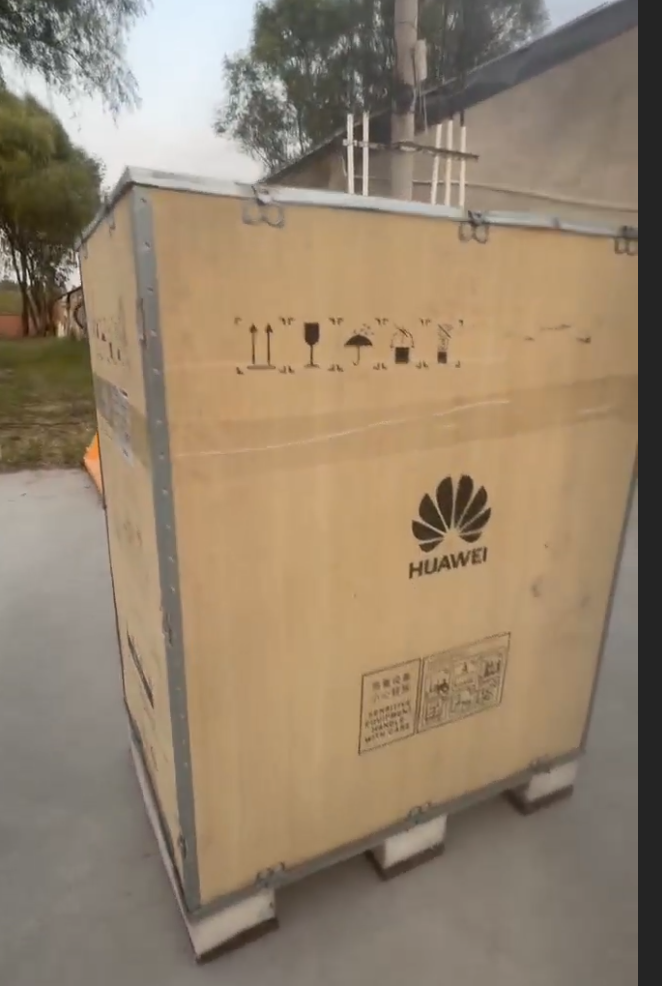
| Packing | Strong export packing is used | Weak packing for heavy equipment |
A refurbished R8862 can be the right choice for spare replacement, coverage maintenance, or budget-limited expansion. I would not choose it blindly for every new rollout. I would compare it with R8882 based on the site plan. If the customer has a long service target and wants a low-risk new supply, R8882 may be easier to justify. If the customer needs fast and affordable support for an existing network, tested R8862 can be very practical.
When Does ZTE R8882 Become The Safer Choice?
I sometimes see buyers reject the higher price too quickly, then later face schedule pressure because the lower-cost option did not match the future network plan.
ZTE R8882 becomes the safer choice when the project needs a newer supply path, a longer operation plan, better alignment with future upgrades, or lower concern about secondary-market condition. I still confirm compatibility, because a newer model does not remove integration risk.
I Use R8882 For Future-Focused Projects
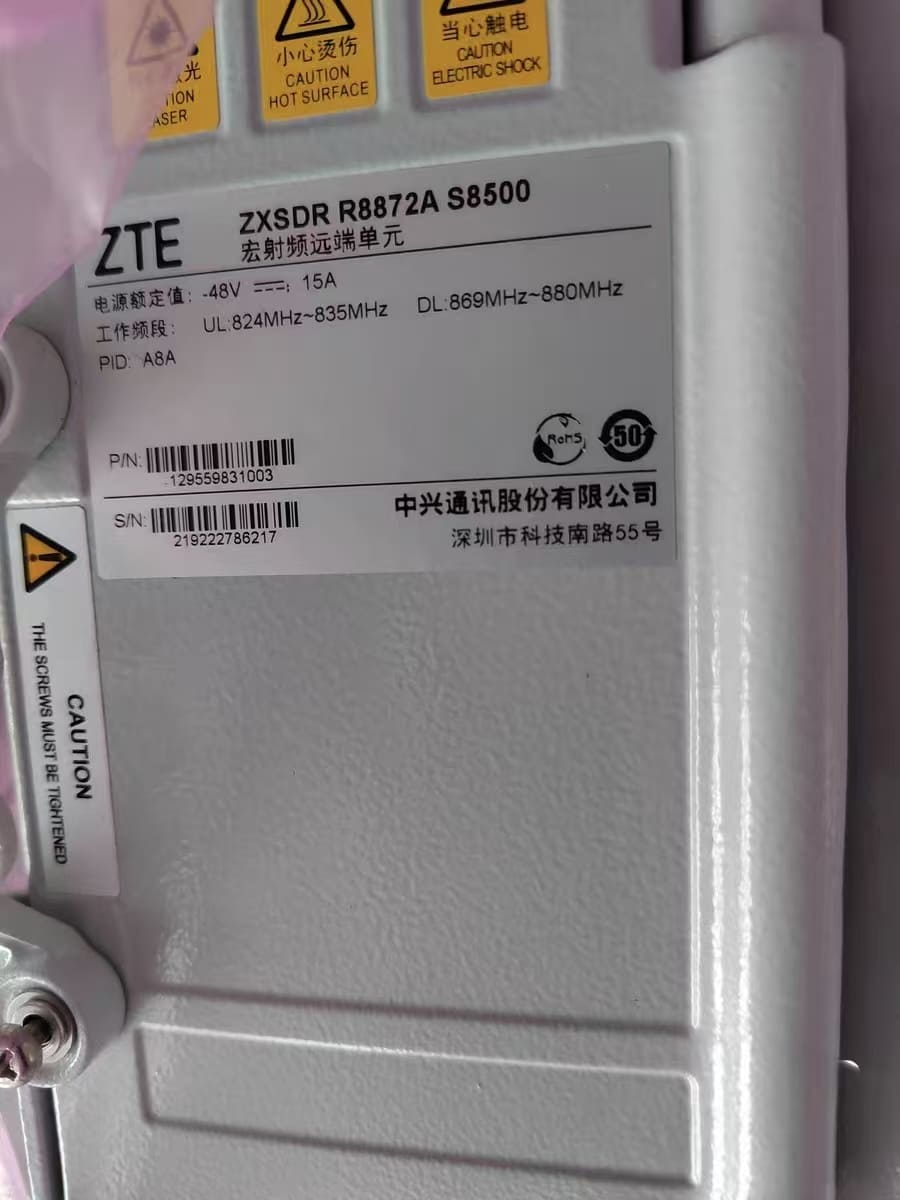
R8882 is often discussed when the customer has a newer project, a stronger capacity plan, or stricter internal approval rules. Some procurement teams prefer new or newer stock because their company policy limits used equipment. In that case, the discussion changes. The question is not only performance. The question is also compliance, warranty, documentation, and supplier responsibility.
I Still Do Not Skip Basic Checks
A newer unit can still be wrong for the site. I always ask for the exact frequency band, PN code, hardware version, and target BBU. I also ask if the customer needs accessories, cables, or connectors. A correct R8882 unit with wrong matching details can still delay installation.
| Project Situation | Why R8882 May Fit Better | What I Still Verify |
|---|---|---|
| New rollout | It may match newer planning better | Exact band and PN |
| Long operation plan | It may reduce future replacement concern | Warranty and supply continuity |
| Strict buyer policy | New supply may be easier to approve | Invoice, label, and condition |
| Higher capacity need | It may support the target plan better | BBU and software match |
| Low tolerance for sourcing risk | Newer stock may reduce uncertainty | Lead time and after-sales terms |
I do not present R8882 as a universal winner. I present it as a lower-risk choice in some commercial and technical conditions. If a customer has enough budget and wants to reduce the uncertainty of refurbished supply, R8882 can be a stronger path. If the network only needs stable replacement and the budget is tight, R8882 may be more than the project needs.
What Questions Should I Ask Before Buying R8862 Or R8882?
I often receive RFQs with only a model name, and this creates avoidable delay because the model name alone is not enough for a safe purchase.
I ask buyers to confirm the PN code, frequency band, BBU model, software version, unit condition, warranty need, lead time target, and test standard before choosing R8862 or R8882. These questions reduce wrong shipments, installation issues, and hidden procurement cost.
I Prefer Targeted Questions
A general question like “Which one is better?” gives a weak answer. A targeted question gives a useful answer. I usually guide customers to ask questions that connect engineering details with buying risk. This is especially important for global buyers who source from different countries and need to control delivery time.
I Use A Simple RFQ Checklist
I suggest that every buyer prepare a short checklist before sending an inquiry. This helps the supplier quote faster. It also helps the buyer compare offers fairly. Two offers may look similar, but one may include testing, warranty, and ready stock, while the other may include only a low price.
| Question I Ask | Why It Matters |
|---|---|
| What is the exact model and PN code? | It avoids confusion between similar units |
| What frequency band is required? | It confirms real site match |
| What BBU will be used? | It reduces compatibility risk |
| Is the unit needed new, refurbished, or used? | It changes price, risk, and lead time |
| What warranty is required? | It affects supplier selection |
| What is the target delivery date? | It decides whether ready stock is needed |
| Do you need photos, test report, or serial list? | It supports internal approval |
| Are cables or connectors needed? | It prevents installation delay |
I see this checklist as a simple way to reduce risk. It also makes the supplier more accountable. When a buyer asks about observed failure rates, test steps, and warranty terms, the supplier must answer with real control, not only a cheap price. This is better for both sides.
How Do Testing, Warranty, And Supplier Control Change The Final Decision?
I see many problems come from weak supplier control, not from the RRU model itself, and this is why I treat testing as a core buying factor.
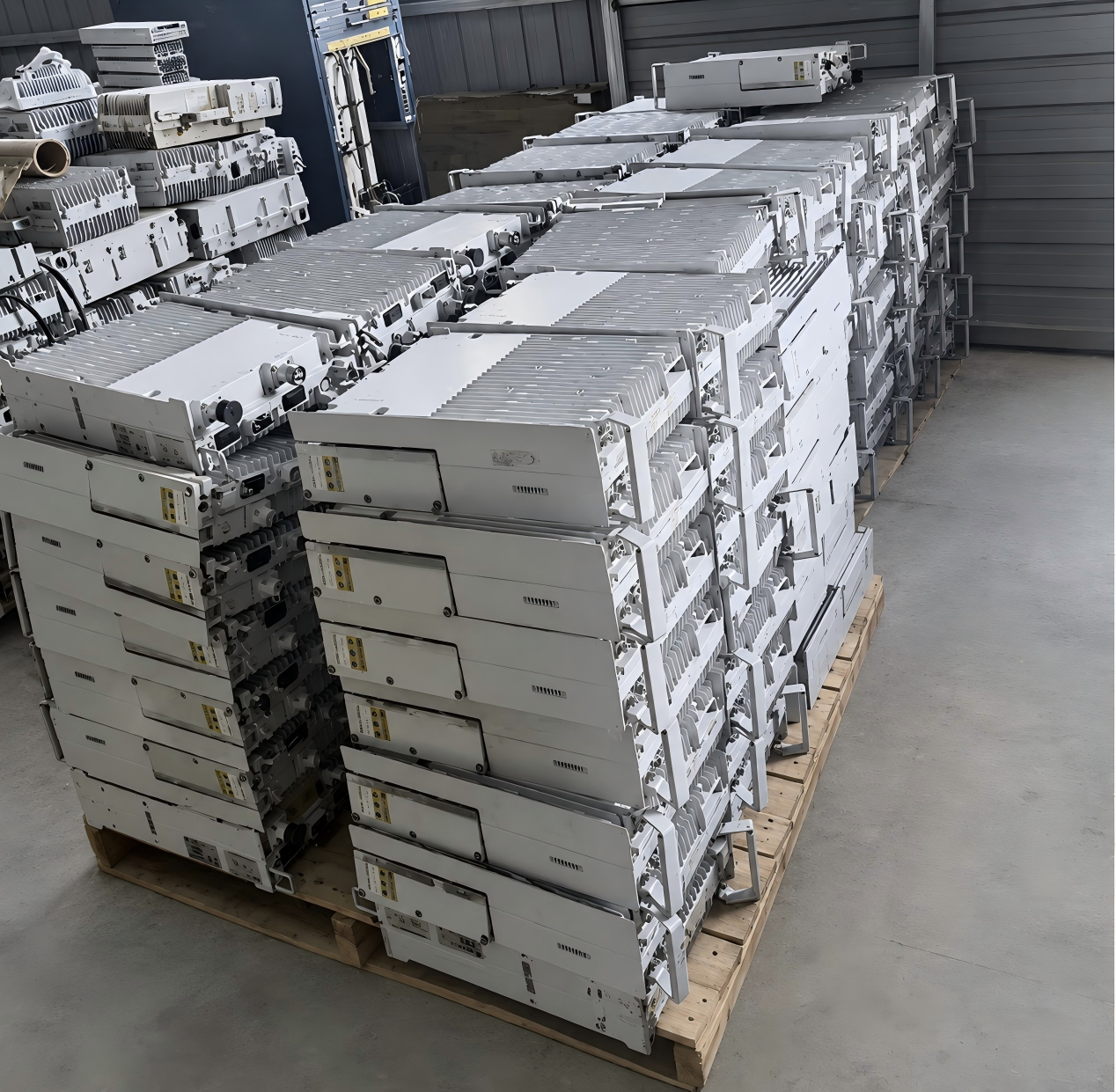
Testing, warranty, and supplier control can change the R8862 versus R8882 decision. A tested refurbished R8862 from a reliable supplier may be safer than an unknown “new” unit. A properly sourced R8882 may be better when policy, uptime, and long-term support matter more than price.
I Look At The Supplier Process
A supplier should do more than find a unit. A supplier should confirm the PN, check the label, test the function, pack the product safely, and support the customer after delivery. In my own business, I also care about sourcing channels because telecom spare parts often move through operators, distributors, recyclers, and equipment service companies. A stable supply network helps reduce random quality risk.
I Match Warranty To Product Type
New, refurbished, and used units should not be judged by the same rule. A new unit should have a clear condition statement. A refurbished unit should have a clear test process. A used unit should have honest condition details. For different products and forms, I usually discuss 6-month or 1-year warranty options with customers, because the risk level and cost structure are not the same.
| Supplier Control Area | What I Want To See | Why It Helps |
|---|---|---|
| Source control | Stable supplier channels | It reduces random quality problems |
| Technical check | Model, PN, band, and label confirmation | It avoids wrong delivery |
| Functional test | Real working checks before shipment | It lowers failure risk |
| Packing | Strong export packing | It reduces transport damage |
| Warranty | Clear after-sales terms | It protects the buyer |
| Technical support | Alternative suggestions when needed | It helps when stock or budget changes |
In practical procurement, the cheapest offer can become the most expensive offer if the supplier cannot support the product. I have seen customers ask for the lowest price first, then come back to ask about testing and warranty. I prefer to discuss these points at the beginning. This saves time and protects the project schedule.
Conclusion
I choose between ZTE R8862 and R8882 by fit, not by model age. I compare compatibility, TCO, condition, lead time, testing, and warranty.
Request a Quote Looking for ZTE RRU spare parts?
Send us your model or PN code. We will help you check stock, price, condition, testing, and lead time. https://zejiuhengtrade.com/lp-telecom-spare-parts-rru-bts-dwdm-supplier/
Baoding Enken Trading Co., Ltd. Supplier of new, refurbished, and used telecom spare parts Huawei | ZTE | Ericsson | Nokia | Juniper | Alcatel