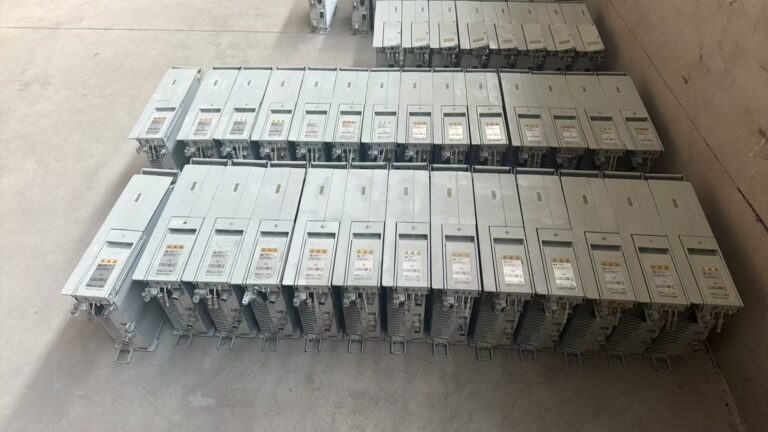

Huawei NE40E Series: How Should You Buy Chassis, Boards and Spare Parts?
Huawei NE40E Series spare parts can look simple when a buyer only sends “NE40E board needed,” but that is often where procurement risk starts. One unclear model, PN code, version, or condition can delay maintenance, create compatibility issues, or waste budget. I treat every NE40E inquiry as a confirmation process first, and a quotation process second.
The safest way to buy Huawei NE40E Series chassis, boards, and spare parts is to confirm the exact model, PN code, physical label, version, photos, condition, test status, warranty, quantity, destination, and delivery timeline before accepting a price. NE40E parts are not always interchangeable, so accurate identification matters more than a cheap offer.
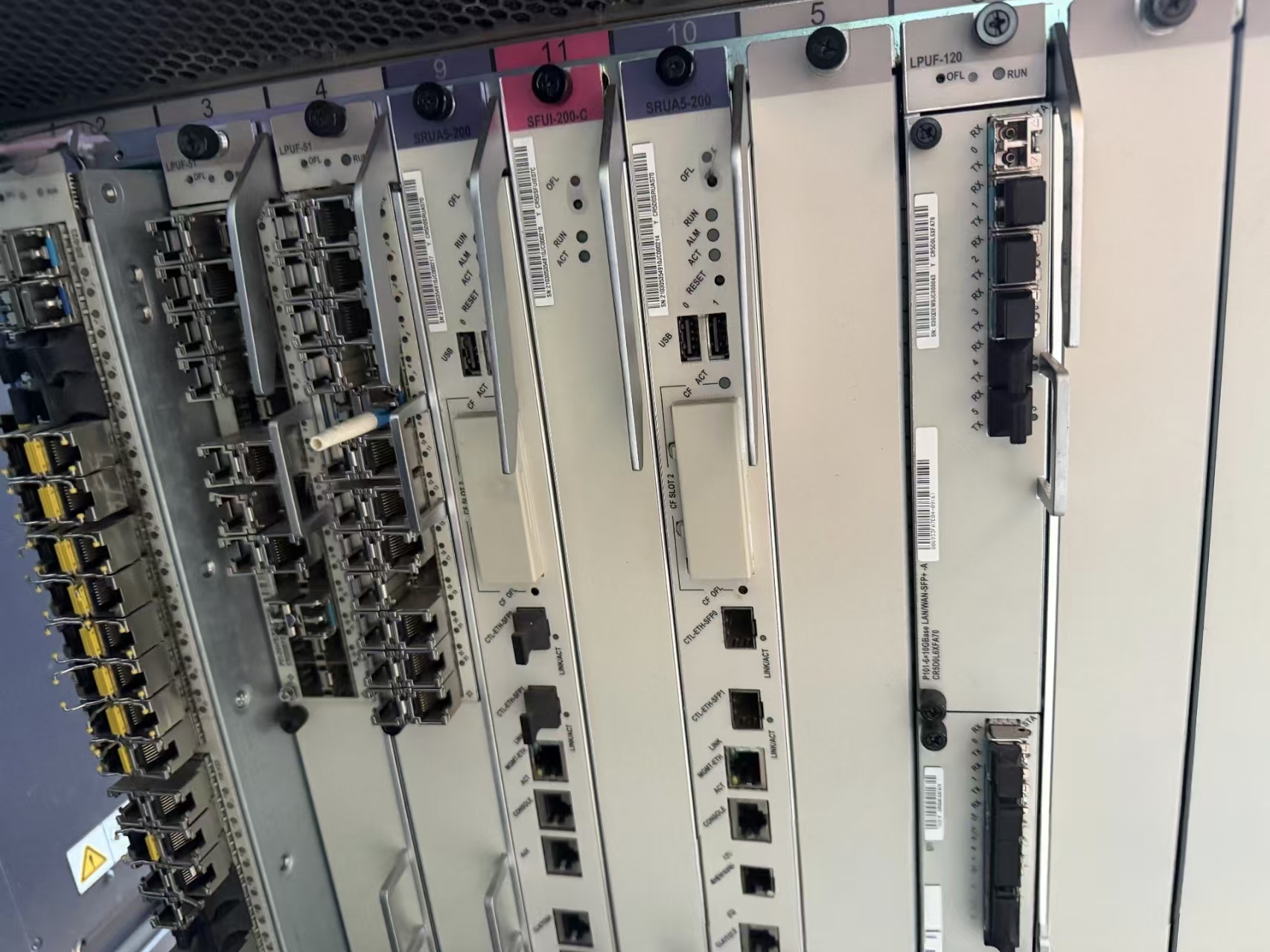
I work in the secondary telecom spare parts market in Baoding, China, where NE40E-related inventory may come from operator network retirement, project surplus, warehouse clearance, pulled equipment, refurbished stock, or repair channels. Because every source is different, buyers need a clear method to reduce risk before purchase.
What Should Buyers Confirm Before Quoting Huawei NE40E Series Spare Parts?
When a buyer asks for Huawei NE40E Series parts without enough details, the first problem is not price. The first problem is identification. If the supplier quotes against the wrong board, wrong version, or wrong condition, the low price becomes meaningless and the urgent maintenance window may be missed.
The buyer should confirm the exact model, PN code, board name, silk-screen information, physical label, photos, quantity, condition, test requirement, warranty expectation, destination, and deadline before quotation. These details help the supplier check real inventory and avoid confusion between similar NE40E chassis, boards, and modules.
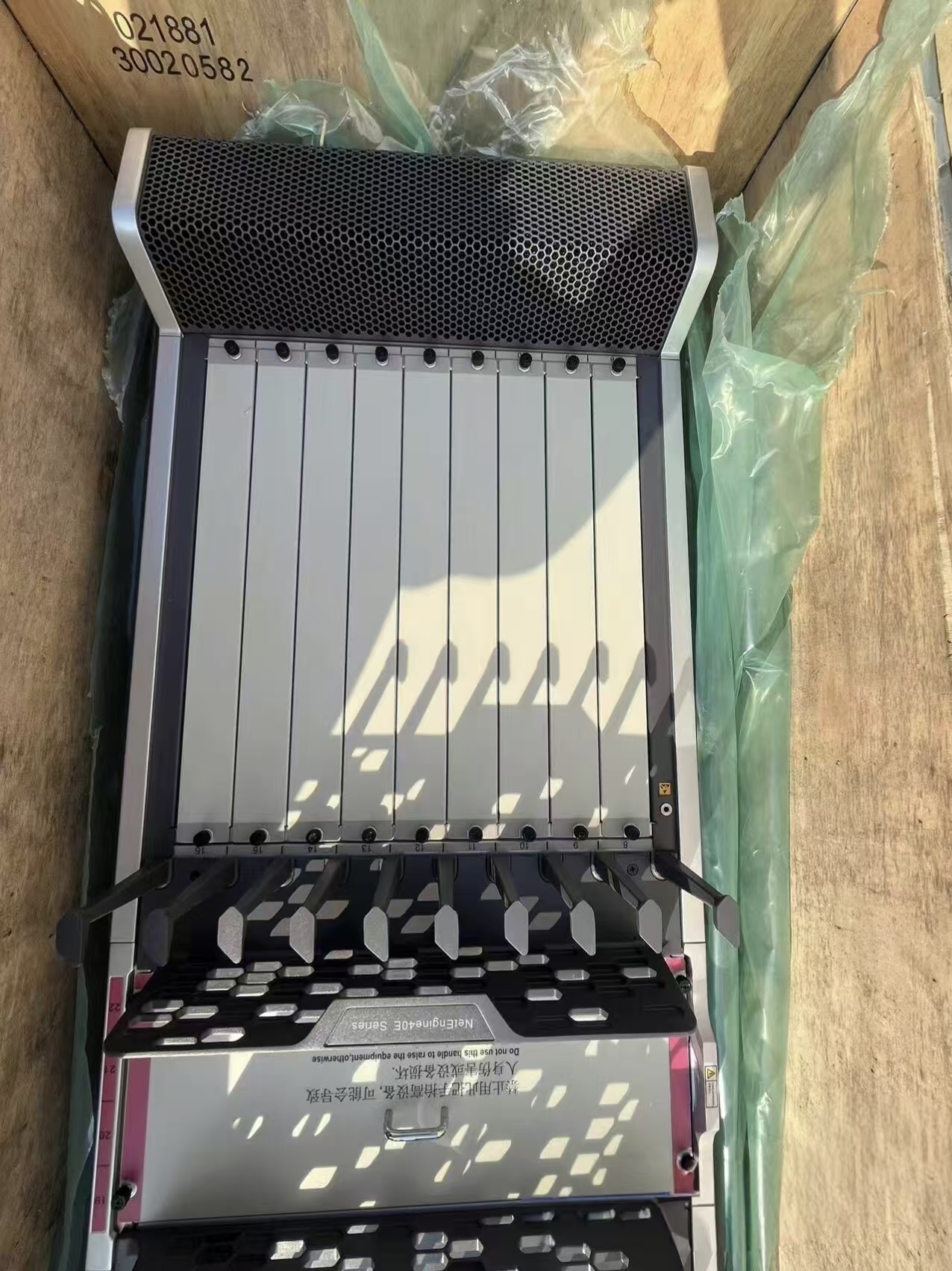
Why “NE40E” alone is not enough
In daily trading work, I often receive short messages like:
“Need NE40E board, urgent. Please quote.”
That message is not enough for a responsible quotation. The Huawei NE40E Series includes different router platforms, chassis types, service boards, control boards, switching boards, power modules, fan modules, cables, and optical modules. Even when two parts look similar, they may have different part numbers, hardware versions, software support requirements, or application limits.
I am not Huawei, and I do not present myself as an original manufacturer or engineering authority. My role is to help buyers source telecom spare parts from the secondary market. That means I need to control the trading risk by checking the details that can be verified.
Information I usually ask from buyers
For NE40E-related inquiries, I normally ask for the following:
-
Exact model name
- Example: NE40E chassis type or board model name.
- The name should match the label or existing equipment list.
-
PN code or part number
- This is one of the most important identifiers.
- PN details should be confirmed from the physical label, purchase record, or maintenance system.
-
Board silk-screen and version
- Some boards may have different revisions.
- Photos of the front panel and PCB label help reduce mistakes.
-
Condition requirement
- New old stock, used, refurbished, pulled, or clearance stock can have different prices and warranty terms.
-
Test requirement
- Some buyers need power-on test, basic function test, serial number record, or photos before shipment.
- Available test scope should be confirmed case by case.
-
Quantity and urgency
- One urgent maintenance board is different from ten pieces for distributor stock.
- Lead time depends on stock location, packing, testing, and shipment route.
-
Destination and shipping method
- Shipping to Europe, Africa, the Middle East, Southeast Asia, or South America may require different packing and documents.
Quick inquiry checklist
| Buyer information | Why it matters | Risk if missing |
|---|---|---|
| PN code | Identifies the exact spare part | Wrong model may be quoted |
| Physical label photo | Confirms real item details | Supplier may rely on incomplete text |
| Board/chassis model | Helps match product family | Similar names may cause confusion |
| Version or silk-screen | Helps check hardware revision | Possible mismatch with existing network |
| Condition | Affects price and warranty | Buyer may compare unlike items |
| Test request | Defines quality expectation | Dispute may happen after delivery |
| Quantity | Affects availability | Supplier may quote only sample stock |
| Destination | Affects freight and timeline | Delivery cost may change later |
A simple workflow I use
When I receive an NE40E inquiry, I usually follow this practical sequence:
- I check the buyer’s model and PN code.
- I compare the request with available inventory or sourcing channels.
- I ask for photos if the description is unclear.
- I confirm condition options, such as used or refurbished.
- I check whether test information can be arranged.
- I quote with condition, lead time, warranty, and packing notes.
- I prepare shipment after buyer confirmation.
This process may feel slower than sending a quick price. However, it is safer. In telecom spare parts, a fast wrong quotation creates more cost than a careful correct quotation.
Which Huawei NE40E Series Chassis, Boards and Modules Are Commonly Sourced?
The Huawei NE40E Series spare parts market is broad, and buyers may need anything from a whole chassis to one small module. The challenge is that a product scope list is only a starting point. Actual availability, PN code, version, and compatibility must still be checked case by case.
Commonly sourced NE40E-related items include chassis or whole units, main control boards, switching fabric boards, interface boards, service boards, power modules, fan modules, cables, optical modules, and other replacement parts. Buyers should use these categories to organize inquiries, but they should confirm exact labels and PN codes before purchase.
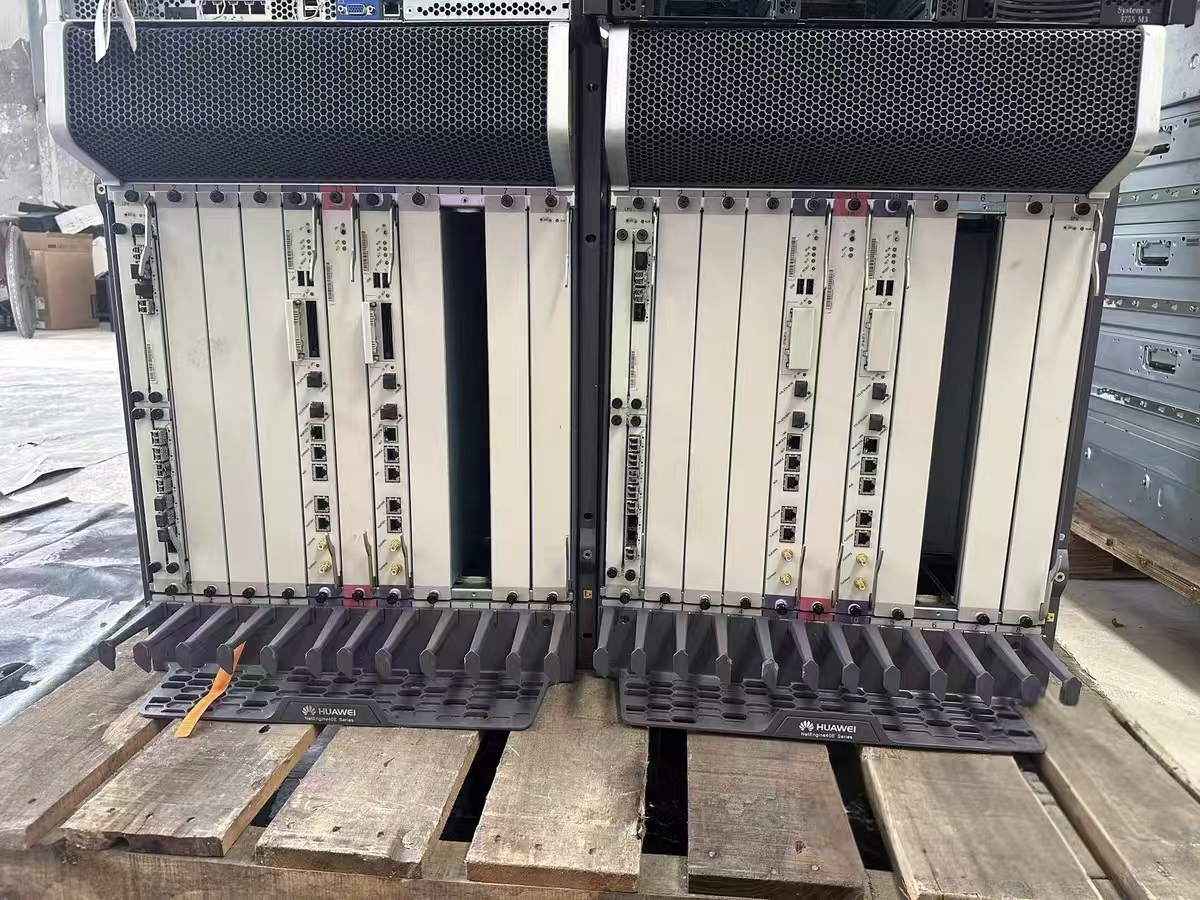
Main NE40E spare parts categories
From a trading perspective, I usually divide NE40E requirements into several groups. This helps the buyer describe the need clearly and helps me check supply faster.
| Category | Common buyer purpose | Confirmation needed |
|---|---|---|
| Chassis / whole unit | Replacement, expansion, resale, project stock | Chassis model, configuration, accessories, condition |
| Main control board | Fault replacement, repair stock | Board name, PN, version, software/network requirement |
| Switching fabric board | Core forwarding or internal switching replacement | Exact model, PN, slot/application confirmation |
| Interface board | Port expansion or failed port replacement | Port type, rate, connector, PN, version |
| Power module | Power fault replacement | AC/DC type, output, PN, label photo |
| Fan module | Cooling system maintenance | Fan tray model, airflow design, PN |
| Cables | Internal or external connection | Cable type, length, connector, original requirement |
| SFP / optical module | Port connection and transmission | Rate, wavelength, distance, connector, DOM/DDM need |
| Accessories | Brackets, fillers, panels, small parts | Photos and dimensions if label is unclear |
Chassis and whole units
Some buyers ask for NE40E whole units because they want a ready spare system, a donor unit for repair, or a project supply item. In this case, the question is not only “Do you have NE40E?” The better question is:
- Which chassis type is needed?
- Is the buyer asking for bare chassis or configured chassis?
- Are boards, power modules, fan modules, and cable accessories included?
- Does the buyer accept used equipment?
- Is packaging suitable for heavy international shipment?
A whole unit may be more convenient, but it also has more variables. Weight, configuration, packing cost, and freight all affect the final quotation. I prefer to list included parts clearly before shipment, because one missing fan tray or power module can cause a dispute later.
Main control boards and switching boards
Main control boards and switching fabric boards are critical spare parts. Buyers usually need them for urgent fault replacement or repair stock. However, these boards are also where exact identification matters most.
A buyer should provide:
- Board name from the panel or label
- PN code
- Version information
- Serial number photo if needed
- Existing chassis model
- Required condition
- Any testing request
I avoid saying that one board is compatible with another unless the buyer provides enough technical basis or asks a qualified engineer to verify it. In secondary-market trade, compatibility should not be guessed from appearance.
Interface boards and port modules
Interface boards are common inquiries because port failures, expansion needs, and project changes happen often. Buyers may ask for electrical ports, optical ports, high-speed interfaces, or specific service board types. The main risk is that a board name may not fully define the exact requirement.
For optical interfaces, buyers may also need matched SFP or optical modules. In that case, the optical module details should include:
- Data rate, such as 1G, 10G, 40G, or 100G where applicable
- Wavelength
- Transmission distance
- Connector type
- Single-mode or multi-mode fiber
- Original, compatible, used, or refurbished preference
Power modules and fan modules
Power and fan modules look less complicated than service boards, but they still require confirmation. AC and DC modules are not interchangeable. Fan trays may differ by chassis model and airflow design. Buyers should never assume that a module fits only because it belongs to the NE40E family.
For power modules, I ask for a clear label photo. For fan modules, I ask for the existing chassis model and fan tray label. These small checks help avoid a shipment that arrives quickly but cannot be installed.
How Do Condition, Testing and Warranty Affect Huawei NE40E Series Buying Risk?
A low price on Huawei NE40E Series spare parts can be attractive, especially when buyers are supporting older networks or urgent maintenance. However, low price alone does not define value. Condition, source, testing possibility, warranty terms, and lead time all affect the real procurement risk.
NE40E spare parts in the secondary market may be new old stock, used, refurbished, pulled, repaired, or clearance inventory. Each condition level has different pricing, availability, testing scope, cosmetic appearance, and warranty expectation. Buyers should compare offers only after these details are clearly stated.
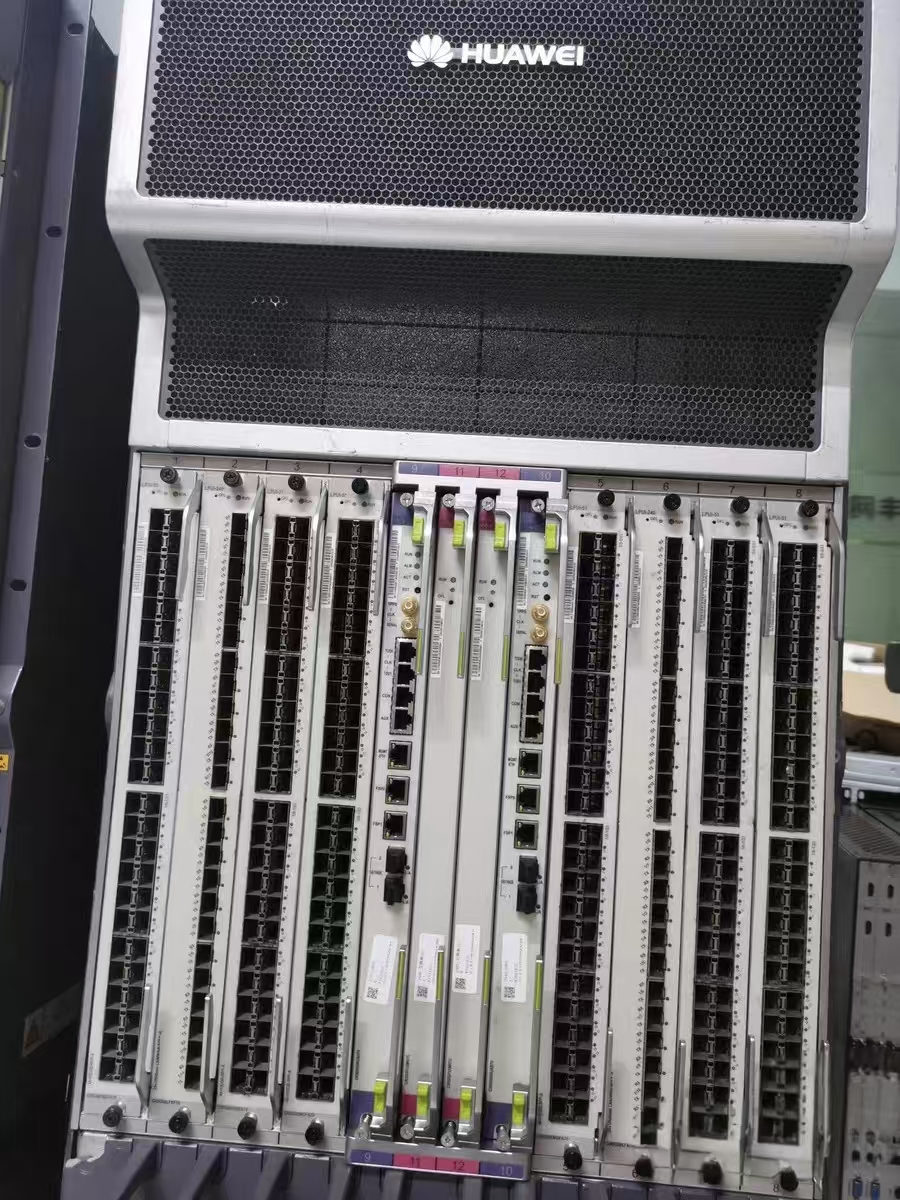
Common condition terms in the secondary market
Different suppliers may use condition words differently, so I prefer to define them during the quotation. The following table shows how I usually explain them to buyers.
| Condition | General meaning | Buyer should confirm |
|---|---|---|
| New old stock | Unused stock from previous inventory, may have old packaging | Seal status, storage marks, warranty, label photos |
| Used | Previously installed or handled equipment | Working status, test possibility, cosmetic grade |
| Refurbished | Cleaned, repaired, or restored for resale | What was refurbished, test scope, warranty |
| Pulled | Removed from working or retired equipment | Source description, condition, label, test status |
| Clearance stock | Inventory sold due to project closeout or warehouse cleaning | Quantity, package, mixed versions, return terms |
| Repair stock | Used for parts or repair purpose | Whether working or faulty, no-misunderstanding terms |
These terms are not universal certifications. They are trading descriptions. A serious buyer should request photos, labels, and written quotation notes.
Testing should be discussed before payment
Testing is a major point in NE40E procurement. Some buyers require test reports. Some buyers only need power-on confirmation. Some buyers are traders and need photos for resale. Some repair companies may accept untested or faulty stock at a lower price.
In my workflow, I try to clarify:
- Is testing available for this exact item?
- Is it a basic power-on check or functional test?
- Can photos or videos be provided?
- Can serial numbers be recorded?
- Is the item sold as tested, untested, or for repair?
- What happens if the buyer reports failure after receiving it?
This discussion protects both sides. If the buyer expects full functional verification but the supplier only offered visual inspection, the order may become a problem. If the buyer accepts untested stock for repair use, the price and warranty should reflect that.
Warranty should match condition and test scope
Warranty in the secondary telecom spare parts market is not the same as original manufacturer warranty. It is usually a supplier warranty, and it depends on the product condition, source, and testing arrangement. I recommend that buyers confirm warranty terms in writing before shipment.
Important warranty points include:
-
Warranty duration
- Common terms may range from short DOA periods to longer supplier warranty.
- Exact term should be stated in the quotation.
-
Warranty coverage
- Does it cover non-working arrival only?
- Does it cover functional failure after installation?
- Does it exclude damage caused by wrong operation, wrong voltage, or improper environment?
-
Return process
- Who pays return freight?
- Is replacement available?
- Is repair possible?
- Is refund possible if replacement is unavailable?
-
Evidence required
- Photos, videos, fault logs, serial number, and test records may be needed.
Price comparison must be fair
I often see buyers compare two offers only by price. That is risky. One supplier may quote used tested stock with warranty. Another supplier may quote pulled untested stock without return. These are not the same product offer.
A fair comparison should include:
- Exact PN and model
- Condition
- Test status
- Warranty period
- Lead time
- Packing method
- Freight cost
- Supplier communication reliability
- After-sales process
For urgent network maintenance, the cheapest offer may not be the safest offer. For repair companies buying donor stock, a lower-grade item may be acceptable. The correct choice depends on the buyer’s use case.
How Should Buyers Select a Huawei NE40E Series Spare Parts Supplier?
Selecting a Huawei NE40E Series spare parts supplier is not only about finding someone who says “available.” In the secondary market, the stronger supplier is often the one who asks better questions, checks labels, separates condition grades, and explains what can and cannot be confirmed before payment.
Buyers should select an NE40E supplier by evaluating identification discipline, inventory access, photo confirmation, test coordination, condition honesty, packing ability, export experience, warranty clarity, and response speed. A good supplier reduces procurement uncertainty instead of only pushing the lowest price.
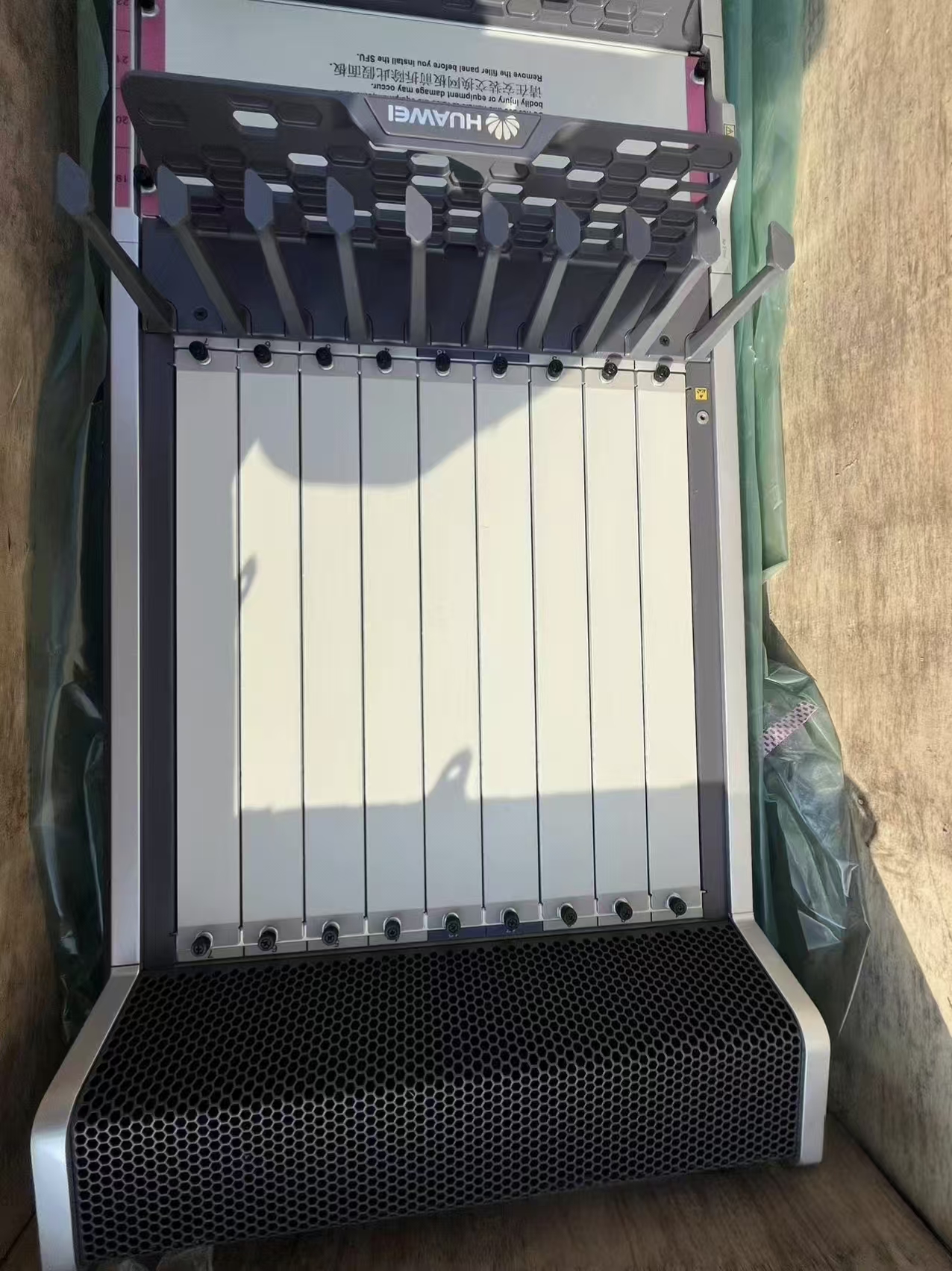
What a serious supplier should do
A serious secondary-market supplier should not treat NE40E parts like generic electronic goods. Telecom equipment has labels, PN codes, versions, and operational context. If the supplier ignores those details, the buyer carries more risk.
When I handle NE40E inquiries, I try to make the process practical:
-
Receive the buyer’s requirement
- I check the product name, PN, photos, and quantity.
- If the buyer only sends a short model name, I ask follow-up questions.
-
Check inventory and sourcing channels
- Some stock may be in my own inventory.
- Some stock may need confirmation from partner warehouses or dismantled equipment channels.
-
Confirm condition
- I separate new old stock, used, refurbished, pulled, and clearance stock where possible.
-
Arrange photos
- I try to provide front panel, label, connector, and overall condition photos when available.
-
Discuss testing
- I clarify what test can be done for that item.
- I avoid promising test results that cannot be supported.
-
Quote clearly
- A useful quotation should include product name, PN if confirmed, quantity, condition, price, lead time, warranty, and shipping terms.
-
Pack and ship
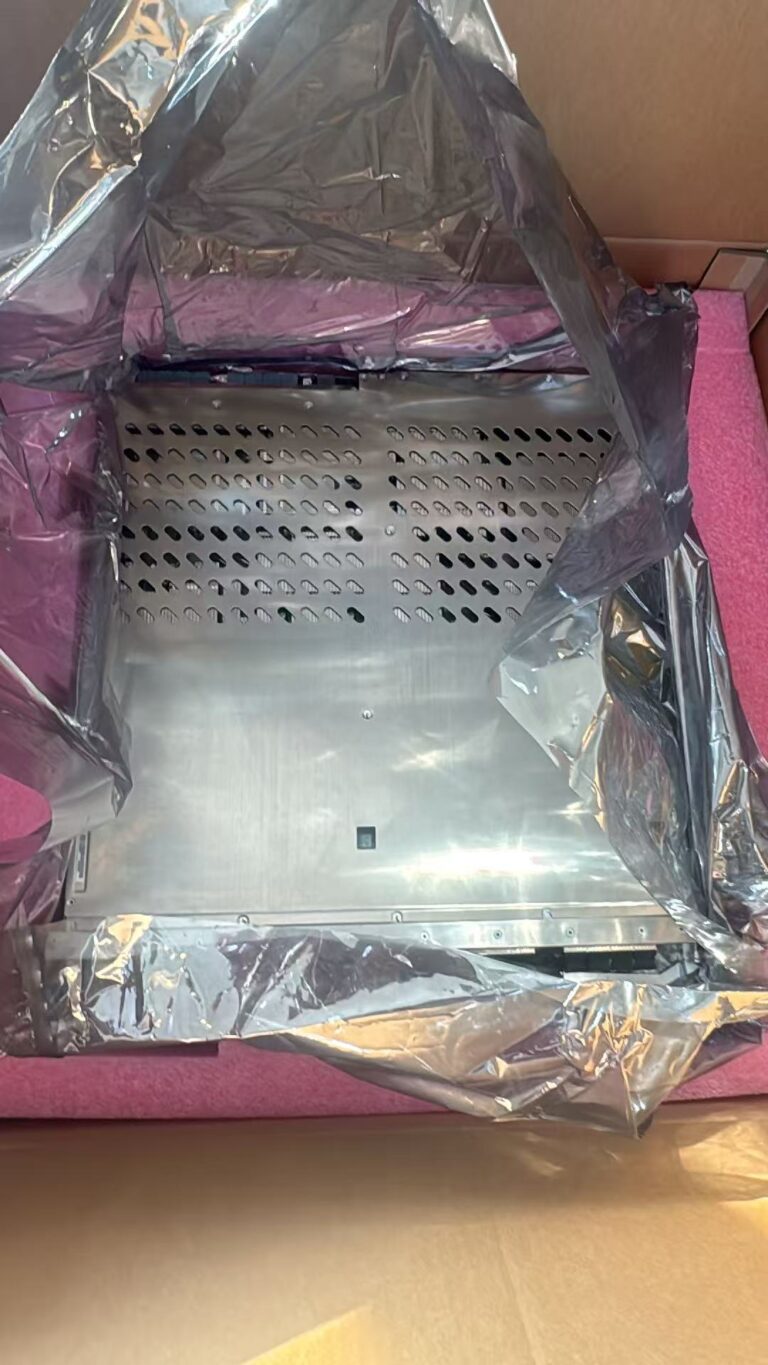
- Telecom boards need anti-static bags, foam, carton protection, and careful handling.
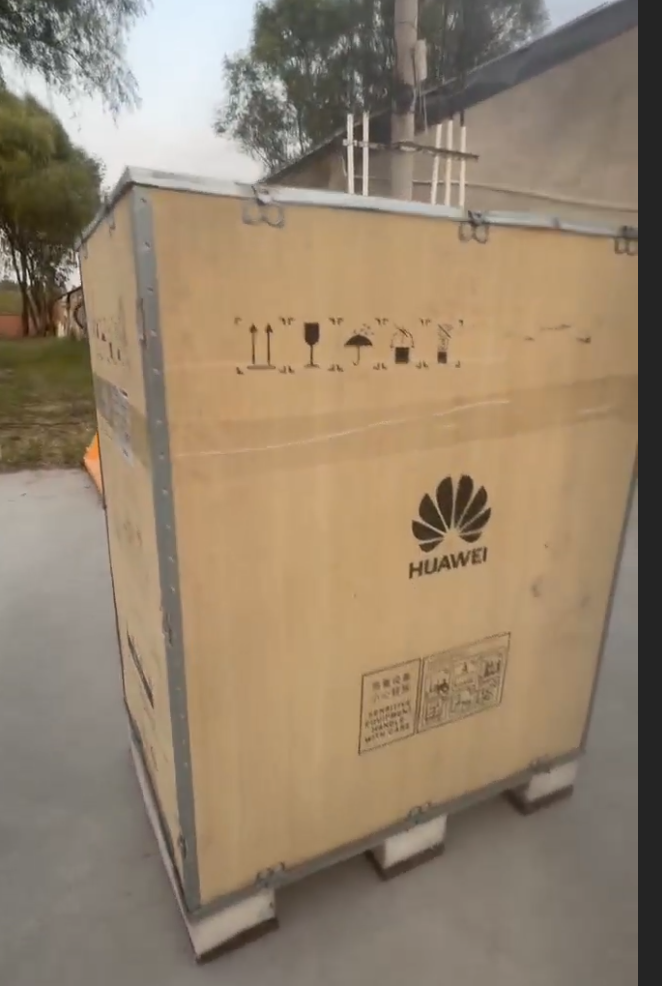
- Heavy chassis may need stronger packing or wooden cases depending on destination.
Supplier evaluation table
| Evaluation point | Good sign | Warning sign |
|---|---|---|
| PN confirmation | Supplier asks for PN and label photos | Supplier says all versions are same |
| Condition description | Supplier states used/refurbished/NOS clearly | Supplier only says “good quality” |
| Testing | Supplier explains available test scope | Supplier promises everything without evidence |
| Warranty | Supplier writes warranty terms | Supplier avoids after-sales discussion |
| Photos | Supplier can provide real item or stock photos | Supplier only uses catalog images |
| Packing | Supplier mentions ESD and shock protection | Supplier ignores board handling |
| Export experience | Supplier understands shipping documents | Supplier cannot estimate delivery process |
| Communication | Supplier asks accurate questions | Supplier pushes fast payment only |
Why Baoding matters in my business context
My company is located in Baoding, Hebei, which is an important trading hub for telecom spare parts in China. Many products in this market come from operator retirement, engineering surplus, warehouse clearance, dismantled equipment, refurbished channels, and repair supply chains.
This location helps me access different categories, such as:
- RRU, BBU, AAU
- Base station boards
- Power modules
- Fan modules
- SFP and optical modules
- Antennas and filters
- Transmission equipment
- Router and switch boards
- Microwave equipment
- OLT, OSN, DWDM equipment
- Huawei, ZTE, Ericsson, Nokia, Juniper, Cisco, and other brands
For NE40E-related spare parts, this market background is useful. However, market access does not mean every item is always in stock. It means I can often check multiple sources and help buyers compare realistic options.
Packing and shipping should not be an afterthought
Many NE40E parts are high-value and sensitive. A board may test well before shipment but become damaged if packing is poor. For international orders, I pay attention to:
- Anti-static bag for boards
- Foam protection around connectors
- Strong carton or wooden case for heavier items
- Clear label protection
- Moisture protection where needed
- Photos before shipment
- Tracking information after dispatch
Buyers should also tell the supplier if the destination has special customs or document requirements. For government projects, railway projects, energy networks, or public safety communications, buyers may need more complete serial number records, packing photos, or invoice details.
Frequently Asked Questions
Are all Huawei NE40E Series boards interchangeable?
No. Buyers should not assume all NE40E boards are interchangeable. Board compatibility may depend on chassis type, PN code, hardware version, software environment, slot position, and network requirements. I recommend confirming compatibility with the existing equipment record or a qualified technical engineer before purchase.
What information should I send for a fast NE40E quotation?
You should send the model name, PN code, label photos, front panel photos, quantity, required condition, destination, delivery deadline, and test or warranty expectations. If you have a faulty board, send photos of that exact board. This helps the supplier check stock and quote correctly.
Can used or refurbished NE40E spare parts be reliable?
Used or refurbished NE40E parts can be useful for maintenance, repair stock, and budget-sensitive projects, but reliability depends on source, condition, handling, testing, and warranty. Buyers should not judge only by price. They should request clear condition notes, photos, and available test information.
Do you supply original Huawei NE40E spare parts?
As a secondary-market telecom spare parts supplier, I can help source Huawei-branded NE40E-related chassis, boards, and modules from inventory, pulled equipment, surplus, or refurbished channels. Originality, label details, condition, PN code, and availability should be verified case by case before order confirmation.
How long does NE40E spare parts delivery take?
Delivery time depends on stock status, testing request, packing time, destination, and shipping method. Ready stock can often move faster, while items requiring sourcing or testing take longer. I usually confirm lead time after checking the exact PN, quantity, and destination.
Conclusion
Huawei NE40E Series procurement is not just a product search. It is a risk-control process. Buyers should confirm the exact model, PN code, label photos, condition, test status, warranty, quantity, destination, and timeline before comparing prices. Chassis, boards, power modules, fan modules, cables, and optical modules all require case-by-case confirmation. If you need NE40E spare parts for maintenance, repair stock, resale, or project supply, send me your PN code and photos. I can help check availability, condition options, testing possibilities, packing, and shipment.