
Why Mass RFQs Can Increase Prices and Create Stock Risks in the Telecom Secondary Market
In telecom spare parts sourcing, it is completely normal for buyers to compare prices.
Every purchasing team wants a better offer, reliable quality, fast delivery, and lower risk. Sending an RFQ to several suppliers is a reasonable way to understand the market.
However, in the telecom secondary market, especially for rare telecom spare parts, sending the same inquiry to too many suppliers can sometimes create the opposite result.
Instead of helping the buyer get the lowest price, a mass RFQ may push the final market price higher, create duplicated stock information, and even cause delivery failure.
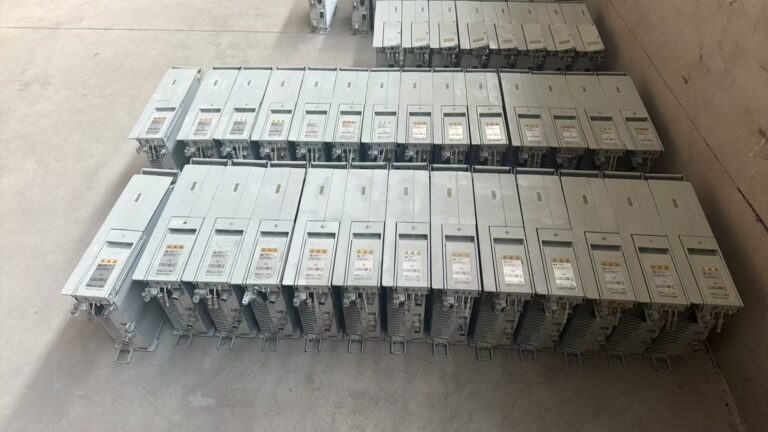
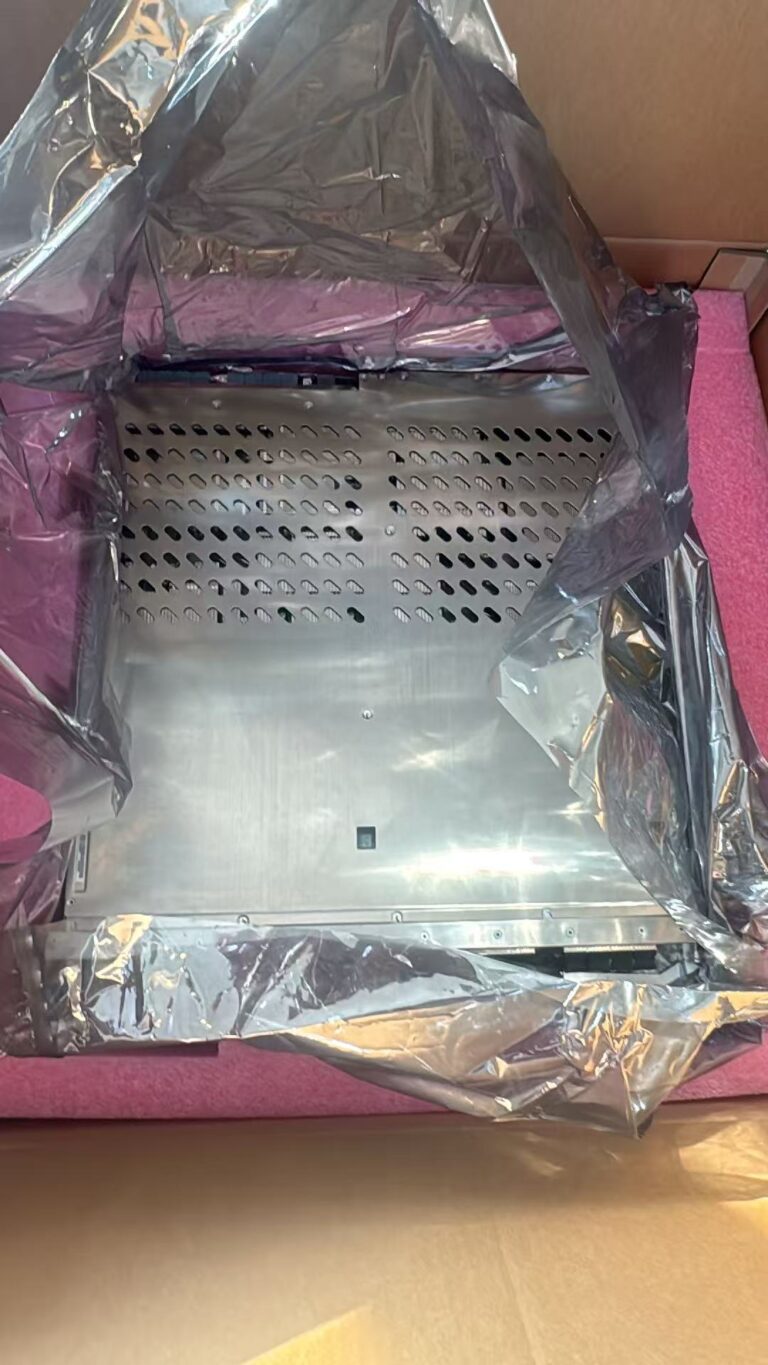
This is a real situation that happens often in the market for used telecom equipment, refurbished telecom parts, discontinued telecom boards, optical modules, RRU units, BBU boards, BTS parts, power modules, transmission equipment, and other hard-to-find telecom spare parts.
The Telecom Secondary Market Is Different from a Normal Product Market
For common products, asking many suppliers for quotations may work well. If the product is widely available, suppliers can quote based on their own stock, cost, and margin.
But rare telecom equipment is different.
Many telecom spare parts are no longer in mass production. Some modules, boards, RF units, power units, optical transceivers, and core network parts may only be available from a small number of real stock holders.
In some cases, there may be only one final owner of the available stock.
That is why the telecom secondary market is very sensitive to repeated inquiries.
What Happens When One RFQ Is Sent to Too Many Suppliers?
Imagine a buyer needs one rare telecom board. The buyer sends the same RFQ to 50, 70, or even more telecom suppliers around the world.
At first, this may look like a smart purchasing strategy. More suppliers means more competition, and more competition should mean a lower price.
But in the telecom spare parts market, the process often works differently.
Many suppliers do not have real stock. After receiving the RFQ, they start searching the same market. They ask their partners, brokers, inventory holders, repair centers, and other suppliers.
Very quickly, the same part number appears everywhere in the market.
The real stock owner suddenly receives many requests for the same product from different suppliers. The owner realizes that the demand is strong and urgent.
Then the price starts to rise.
A part that could have been purchased quietly for USD 1,000 may suddenly become USD 2,000, USD 3,000, or even USD 5,000.
The buyer wanted to find the cheapest price, but the mass RFQ created a market signal that made the product look more valuable and more urgent.
Why Rare Telecom Spare Parts Become More Expensive
Rare telecom spare parts are affected by many factors:
- Limited remaining stock
- Discontinued production
- Urgent network maintenance demand
- Specific part number requirements
- Hardware version or software compatibility restrictions
- Long lead time from operators or dismantled networks
- Testing and refurbishment cost
- Competition between multiple sourcing agents
- Repeated RFQs reaching the same final stock owner
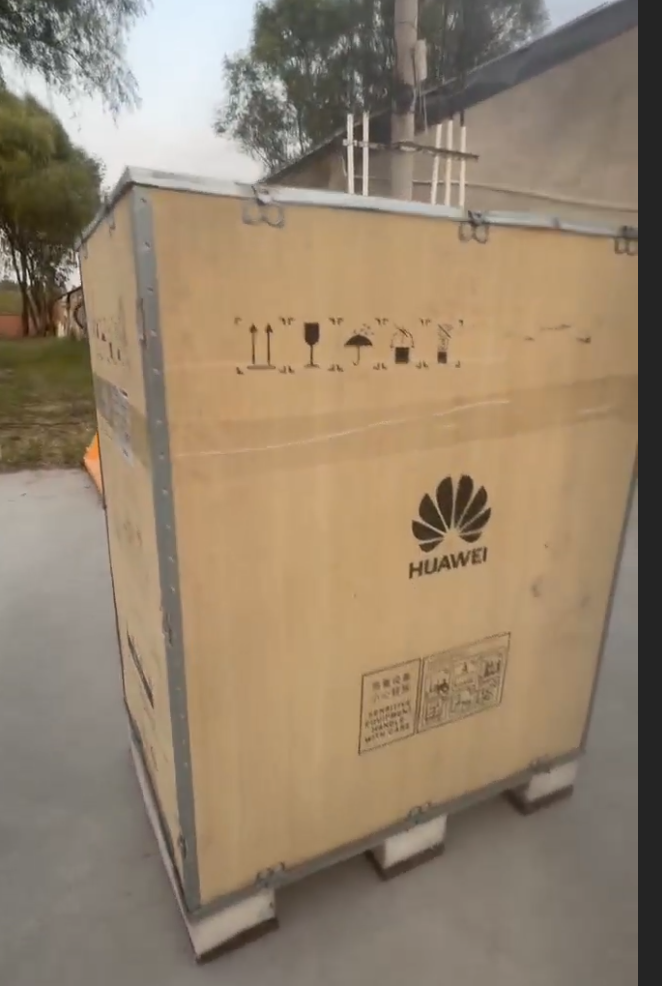
For products such as Huawei spare parts, ZTE telecom boards, Ericsson radio units, Nokia modules, optical transceivers, RRU units, BBU boards, power modules, and transmission equipment, availability can change very quickly.
When too many suppliers search for the same item at the same time, the market becomes noisy. The final stock owner may raise the price simply because demand appears to be much higher than it really is.
The Hidden Risk of Duplicate Stock Sources
Another common problem in telecom spare parts sourcing is duplicated stock information.
For example, a buyer needs 1,000 pieces of a rare telecom module.
Supplier A offers 200 pieces.
Supplier B offers 500 pieces.
Supplier C offers 300 pieces.
On the surface, the total quantity looks perfect:
200 + 500 + 300 = 1,000 pieces.
The buyer may believe the sourcing plan is safe and place orders with all three suppliers.
However, the real situation may be very different.
Supplier A, Supplier B, and Supplier C may all be connected to the same final stock owner. Even worse, part of Supplier B's quoted quantity and part of Supplier C's quoted quantity may come from the same inventory source.
For example:
- Supplier B quotes 500 pieces, but 200 pieces are actually from final stock owner D.
- Supplier C quotes 300 pieces, but 200 pieces are also from final stock owner D.
The buyer thinks there are 1,000 pieces available in the market, but the real independent stock may be much less.
Once the buyer places orders with Supplier A, Supplier B, and Supplier C, all three suppliers may contact the same final stock owner at the same time.
The stock owner immediately realizes that the same product has strong market demand.
As a result, the stock owner may increase the price, hold the goods, or refuse to sell at the previous price.
In some cases, the new price from the final stock owner may become higher than the price already confirmed between the buyer and the suppliers.
Then Supplier A, Supplier B, and Supplier C may all fail to purchase the goods, even though they previously offered the stock.
The final result is bad for everyone:
- The buyer cannot receive the goods on time
- The suppliers cannot fulfill the order
- The market price becomes unstable
- The same stock is counted multiple times
- The project may face delays
- The buyer may need to restart sourcing at a higher price
This is why, in the telecom secondary market, quoted quantity does not always mean real independent quantity.
Why Total Quoted Quantity Can Be Misleading
In telecom equipment sourcing, the total quoted quantity from multiple suppliers can sometimes be misleading.
If several suppliers are quoting from the same upstream inventory, the buyer may overestimate the real available stock.
This is especially common for discontinued telecom equipment, used Huawei spare parts, ZTE spare parts, Ericsson modules, Nokia boards, optical transceivers, RRU units, BBU boards, power modules, and transmission equipment.
For high-demand or hard-to-find telecom spare parts, the key question is not only the quoted price or quantity.
The key question is whether the stock is real, available, tested, and controlled.
Price Is Important, But Real Availability Matters More
In the telecom spare parts business, the lowest quotation is not always the best quotation.
A very low price may mean:
- The supplier does not have real stock
- The item has not been tested
- The condition is unclear
- The delivery time is uncertain
- The quotation is only used to attract attention
- The supplier will search the market after receiving the order
- The quoted quantity may overlap with another supplier's source
For urgent network maintenance, the most important factors are usually real stock, tested condition, correct part number, stable delivery, and reasonable warranty.
A reliable telecom spare parts supplier should be able to provide product photos, label information, testing details, packing information, and a clear delivery plan.
A Better Way to Source Rare Telecom Parts
For rare telecom spare parts, a controlled sourcing strategy is often better than a mass inquiry strategy.
Buyers can still compare prices, but it is better to work with a smaller number of reliable telecom equipment suppliers.
A professional supplier can check the market quietly, verify real stock, confirm the part number, inspect the condition, and provide a realistic offer.
This approach protects the buyer in several ways:
- It avoids unnecessary price increases
- It reduces repeated market exposure
- It helps confirm real stock faster
- It avoids duplicate quotations from the same final source
- It improves sourcing confidentiality
- It gives the buyer better control over negotiation
- It reduces the risk of order failure after confirmation
In many cases, quiet sourcing can achieve a better final result than sending one RFQ to dozens of suppliers.
Practical Suggestions for Telecom Buyers
If you are sourcing rare telecom equipment, here are some practical suggestions:
- Avoid sending the same RFQ to too many suppliers at the same time.
- Choose suppliers who understand the telecom secondary market.
- Ask whether the supplier has real stock or needs to source from the market.
- Provide complete information, including part number, model, version, quantity, condition, and destination country.
- Confirm whether the quoted quantity comes from independent stock.
- Compare not only price, but also testing ability, delivery time, warranty, and communication quality.
- For urgent or rare products, move quickly once real stock is confirmed.
- Work with suppliers who can help verify stock instead of only forwarding inquiries.
The goal is not just to receive many quotations.
The goal is to secure the correct telecom spare part at a fair price before the market price changes.
Final Thoughts
Comparing suppliers is normal and reasonable. Every buyer should control cost and reduce purchasing risk.
But in the telecom secondary market, especially for rare telecom spare parts, sending one RFQ to too many suppliers can sometimes increase the final price instead of reducing it.
It can also create duplicated stock information, overlapping quotations, and delivery failure when multiple suppliers are actually chasing the same final inventory.
A smarter sourcing strategy is to work with trusted suppliers, keep the inquiry controlled, verify real stock, and avoid overheating the market.
For discontinued, refurbished, used, or hard-to-find telecom equipment, quiet and professional sourcing can save both time and money.
Looking for Rare Telecom Spare Parts?
If you are looking for Huawei spare parts, ZTE spare parts, Ericsson spare parts, Nokia spare parts, optical modules, RRU units, BBU boards, BTS parts, power modules, or other telecom replacement parts, please send us the part number, model, quantity, and required condition.
We can help check real availability, verify stock condition, and provide a practical sourcing solution for your project.
Disclaimer: Huawei, ZTE, Ericsson, Nokia, and other brand names are trademarks of their respective owners. We are an independent telecom spare parts supplier and are not affiliated with these original manufacturers.