
Why Is Sourcing Telecom Spare Parts Getting Harder Since 2025 — And What Can Buyers Do About It?
A buyer in Russia contacted us after waiting almost three weeks for a Huawei transmission board — TNU1G404C01-040 — from two other suppliers who had both confirmed stock and then gone quiet. His network was running degraded, his team was under pressure, and he was out of options. We located the board, sent him photos of the label and serial number the same day, and shipped within 72 hours.
He told me afterward that he had almost given up on finding it at all.
I have been working in the telecom spare parts trade for nearly 20 years, first in the domestic Chinese market and now internationally. The questions I get from buyers in Africa, the Middle East, Russia, and Europe have shifted noticeably over the past two to three years. They are not just asking "do you have this in stock." They are asking harder questions — about reliability, about testing, about what happens when something goes wrong. That shift tells me the market has gotten genuinely more difficult, and buyers have been burned enough times to start asking the right things. This article addresses those questions directly, from where I sit in Baoding, Hebei — one of China's most established sourcing hubs for telecom equipment.
Question 1: Why Are Huawei Spare Parts Harder to Find Than They Were Two Years Ago?
This comes up constantly, especially from buyers in Africa and the Middle East who run large Huawei FTTH and 4G networks.
The short answer is that US sanctions on Huawei, which began in 2019 and have continued to tighten, disrupted not only Huawei's ability to produce new equipment but also the entire secondary market ecosystem around it. When a manufacturer cannot freely source components, it affects production timelines, versions, and availability for everything downstream — including spare parts.
What this means in practice for buyers:
Some newer Huawei part numbers — particularly boards produced after 2020 with redesigned chipsets — are genuinely scarce. The -001 suffix variants you may have seen on some PN codes represent post-sanctions production runs using alternative chips. These are functionally equivalent to the original versions but are harder to find in volume.
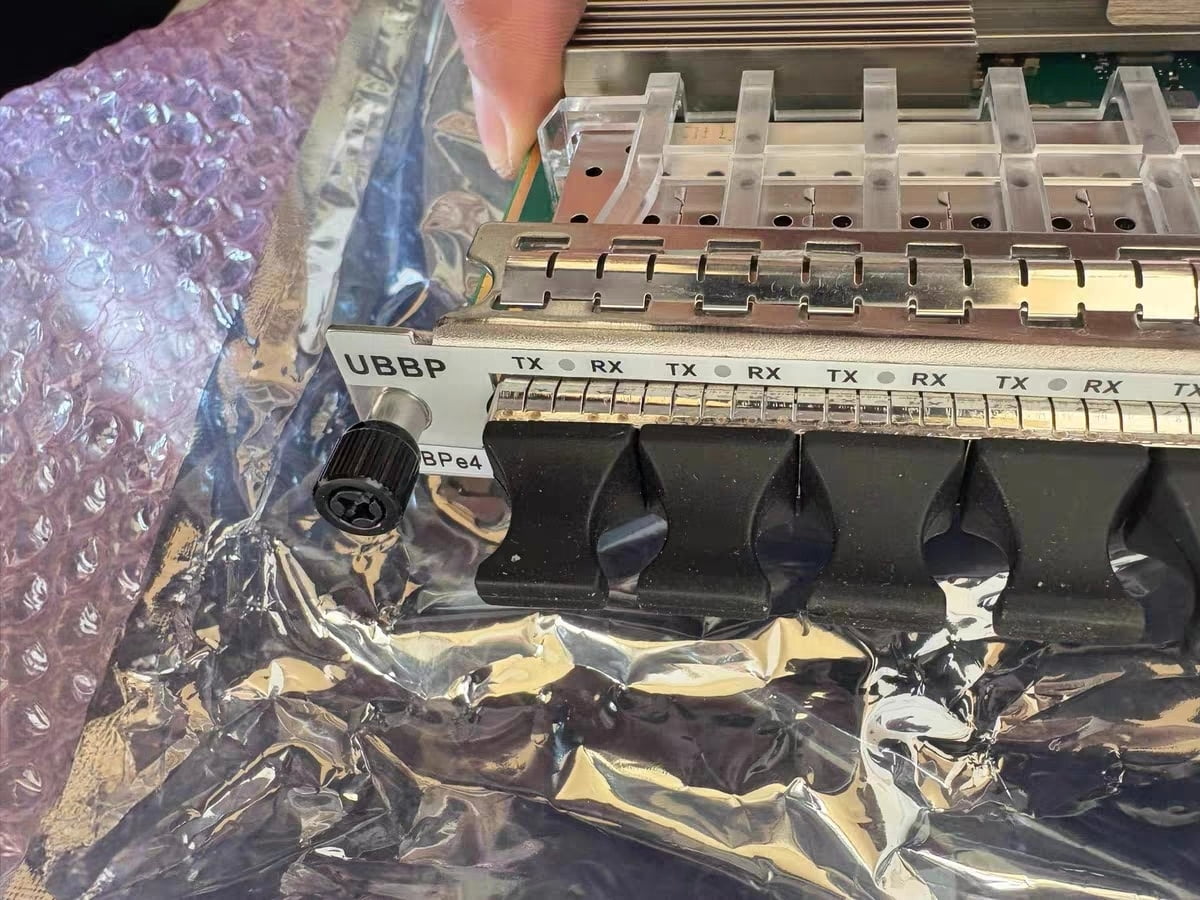
Meanwhile, pre-2020 stock of popular boards like the UBBPg2, UBBPg7c, MA5800 service boards, and OSN transmission cards is being absorbed faster than it is being replenished. Buyers who used to have weeks to make a decision now need to move faster.
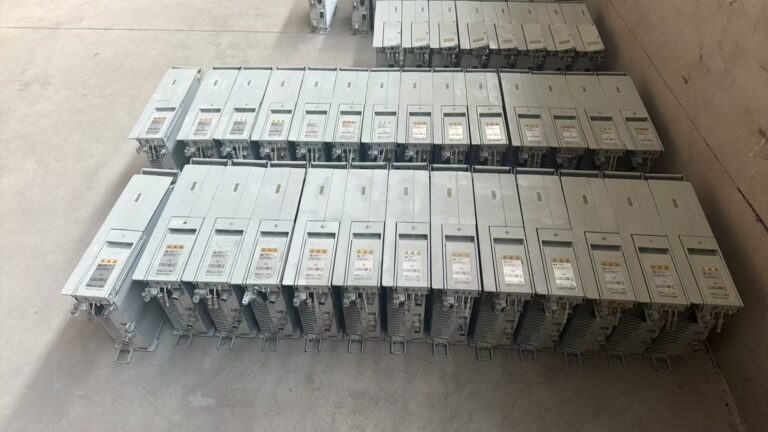
What experienced buyers do: Separate urgent replacement orders from planned stock builds. For urgent needs, confirm real stock before paying — not a quoted price from a supplier who then needs to source it. For planned stock, build relationships with suppliers who have genuine warehouse inventory in China, not brokers working on thin margins with no actual stock.
Question 2: How Do I Know If a Refurbished Board Is Actually Safe to Install?
This is the most important question, and the one with the most misleading answers in the market.
"Refurbished" means different things from different suppliers. At one end, it means a board that has been inspected, cleaned, function-tested on actual network equipment, repaired if needed, and packed with anti-static protection and proper documentation. At the other end, it means a board someone pulled from a decommissioned site, wiped with a cloth, and shipped in a plastic bag.
The gap between these two things is enormous — not just in quality, but in the risk to your network.
Before buying refurbished telecom boards, ask your supplier these specific questions:
- Was the board powered on after cleaning?
- Was the port status verified?
- Was the alarm status checked?
- Can you provide a test photo or video before shipment?
- What is the warranty period, and what does it cover if the board fails after installation?
- How is the board packed for international shipping?
A supplier who cannot answer these questions clearly is not a testing house. They are a reseller. That is not always a problem, but you need to know which one you are dealing with so you can price the risk accordingly.
The rule I follow is simple: the warranty terms tell you more about a supplier's confidence in their testing than any marketing language. A supplier who offers twelve months on a refurbished board believes in what they tested. A supplier who offers thirty days is not sure.
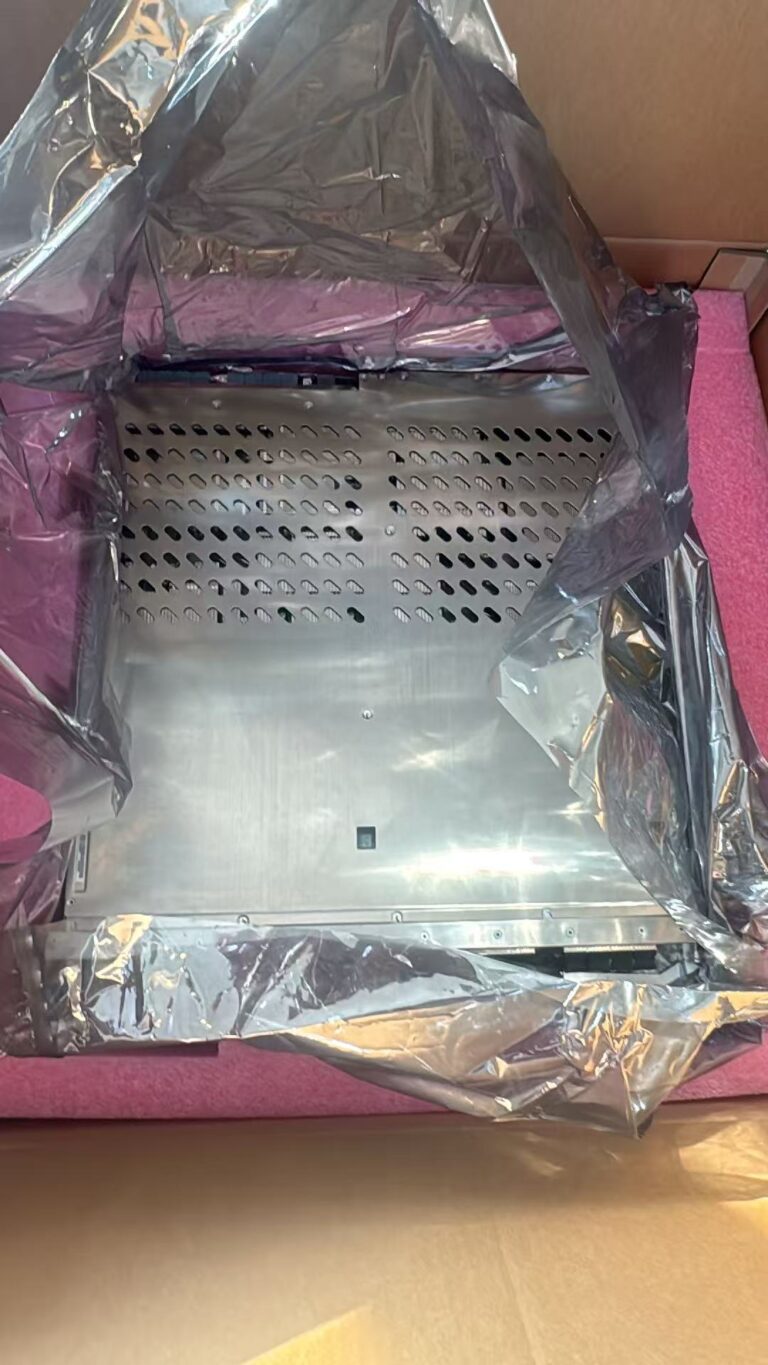
I will give you a real example of what bad testing looks like. A buyer came to us after receiving a batch of "refurbished tested" Huawei UBBPd6 boards from another supplier. Four out of ten failed within the first week of installation. When he asked for the test records, the supplier sent a photo of a board sitting on a table with a power light on. That is not a test. That is a power-on. Our own testing process involves port verification, alarm status checks, software recognition on actual BBU chassis, and full documentation before packing. It takes longer. It costs more internally. But it is the difference between a board that works and a board that looks like it works.
Question 3: New, Refurbished, Used, or Pulled — What Is the Actual Difference?
These four terms appear constantly in the market and are used inconsistently. Here is what they mean in practice for telecom spare parts:
New Original means the board was manufactured and has never been installed in a live network. It comes in original Huawei, ZTE, Ericsson, or Nokia packaging with original labels. For post-sanctions Huawei items, "new" may mean a revised hardware version. This is the safest option for expansion projects or high-criticality sites.
Refurbished (Tested) means the board was previously installed, has been removed from service, and has gone through an inspection and testing process. Quality depends entirely on who did the testing and what standards they used. A properly refurbished board from a serious supplier is a good choice for maintenance stock and emergency replacement.
Used means the board was previously installed. It may or may not have been tested after removal. The condition is less predictable. Price is lower, but so is confidence.
Pulled from Working Equipment means the board was taken from a functioning system — often during a site upgrade or decommission. The board was working at the time of removal. This can be a practical option for urgent needs, but the board should be tested again before deployment because the transportation and storage process introduces new risks.
For most B2B buyers in our market, the right answer is: new original for critical expansion, refurbished tested for maintenance stock and replacement, and pulled only for genuine emergencies with immediate testing at the destination.
Question 4: How Do I Verify a PN Code Before Placing an Order?
Part number verification is one of the most underused tools in telecom procurement, and one of the most important.
Every major telecom brand — Huawei, ZTE, Ericsson, Nokia — uses globally standardized part numbers. The PN code on the physical label of a board is the most reliable identifier. Two boards that look identical from the outside may have different PN codes representing different hardware versions, different frequency bands, or different software compatibility levels. Installing the wrong version can cause installation failures, alarm triggers, or even service interruptions.
Before any order is confirmed, buyers should provide — and suppliers should confirm — the following:
- The exact PN code from the label of the current installed unit (if it is a replacement)
- The equipment it will be installed in (chassis model, software version if known)
- The port type required
- Whether a specific hardware revision is needed
A good supplier will ask these questions before quoting. A supplier who just quotes a price against a model name and ships whatever they have is a supplier who will eventually send you the wrong version.
When in doubt, send a photo of the existing board's label. A PN code photo is worth more than a paragraph of description.
Question 5: Why Are Lead Times So Variable Right Now?
Buyers frequently ask why a supplier quotes three days for one item and six weeks for another that seems similar.
The honest answer is that real stock and quoted stock are two different things in this market.
Some suppliers quote from warehouse inventory they physically hold. These orders ship quickly because the stock is real. Other suppliers quote against what they expect to be able to source — from other suppliers, from decommission projects, or from the secondary market. These orders take longer because the supplier has to find the item after you pay.
Neither model is wrong, but they carry different risks. If you need something urgently, you need to know which model you are dealing with.
Questions that reveal the difference:
- Can you show me a photo of the item in your warehouse today?
- What is the serial number of the unit you have available?
- When can you ship after payment is confirmed?
A supplier with real stock can answer all three questions in an hour. A supplier who needs to source the item after payment will give vague answers or ask for more time.
I want to be honest about something: we are not always the cheapest option, and that is partly because we hold real stock. Holding inventory has a cost. Suppliers who quote lower prices without holding stock are passing that cost to you in a different form — as risk and delay. That trade-off is worth understanding clearly before you make a decision based on price alone.
Question 6: Does the Country of Origin Affect What I Can Import?
This question comes up most often from buyers in Europe and from markets with active import regulations.
The short answer is: it depends on your destination country and the specific equipment.
Huawei and ZTE equipment faces import restrictions in some markets, particularly in EU member states that have implemented 5G security legislation based on the European Electronic Communications Code. Some markets require vendor risk assessments before deploying new Huawei 4G or 5G equipment in core or access network roles.
For buyers in Russia, Kazakhstan, the Middle East, and most of Africa, there are currently no general restrictions on importing Huawei or ZTE telecom spare parts. The practical constraints are customs documentation requirements, not legal import bans.
For any buyer in a regulated market, I always recommend confirming the import classification of specific equipment with a local customs specialist before placing a large order. This is a straightforward step that prevents expensive problems.
What This Means for Your Sourcing Strategy After 2025
The telecom spare parts market after 2025 rewards buyers who prepare rather than buyers who react. The scarcity of certain Huawei and ZTE items, combined with the unpredictability of lead times and pricing, makes reactive emergency sourcing more expensive and more risky than it has ever been.
Three things that experienced procurement teams are doing differently right now:
Building critical spare lists. Identifying the ten to twenty part numbers that would cause the most network disruption if unavailable, and maintaining at least one unit of each in local stock.
Qualifying suppliers in advance. Establishing relationships with suppliers who have genuine warehouse stock in China before an urgent need arises. The middle of a network outage is not the time to be vetting a new supplier.
Separating urgent and planned purchasing. Emergency replacement orders and planned expansion orders have different priorities, different acceptable lead times, and different acceptable price points. Treating them the same is a common source of overspending and understocking.
We work with buyers across these exact challenges every day. If you are building a spare parts strategy for a Huawei, ZTE, Ericsson, Nokia, Juniper, or Alcatel network, we are happy to help you think through it — before the urgency hits.
I started in this industry on the domestic Chinese side, working with operators, distributors, and recyclers long before we moved into export. That background is why I understand where the stock comes from, not just how to quote it. If you are sourcing Huawei, ZTE, Ericsson, Nokia, Juniper, or Alcatel spare parts and want to talk through your situation — whether it is an urgent need or a longer-term supply strategy — send me the model or PN code and I will give you a straight answer on what we have and what we can realistically do. <a href="https://zejiuhengtrade.com/why-is-sourcing-telecom-spare-parts-getting-harder-since-2025-and-what-can-buyers-do-about-it/">Why Is Sourcing Telecom Spare Parts Getting Harder since 2025 — And What Can Buyers Do About It?</a>
Baoding Enken Trading Co., Ltd. — Telecom Spare Parts Export, Baoding, Hebei, China.