
Worried that a great deal on used telecom gear will turn into a project nightmare? You need to ensure the equipment works perfectly with your network before you buy.
Before buying, confirm the equipment's exact condition (new surplus, refurbished, used), hardware and software versions, compatibility with your network, testing reports, warranty, and the seller's return policy. This prevents costly on-site failures and project delays.

I've been exporting B2B telecom spare parts for many years. My company, Baoding Enken Trading Co., Ltd, is based in Hebei, the largest hub for telecom parts in China. This gives us major advantages in price and delivery times for brands like Huawei, ZTE, Ericsson, and Nokia. In my experience, I’ve seen countless global buyers—from traders to telecom operators—make the same initial mistake. They focus solely on getting the lowest price. But the real cost of used equipment isn't on the invoice. It's hidden in the risks you fail to check. Let's walk through what you absolutely must verify to protect your project and your budget.
Does "Used" Mean the Same Thing to Every Supplier?
You found two suppliers with the same "used" part at different prices. How do you know which is the better deal? The condition label can be misleading and risky.
No. "Used" is a broad term. Ask your supplier to clarify if the equipment is "new surplus," "refurbished," "used/pulled," or "tested." Each status has a different risk and price point, affecting its reliability and warranty.
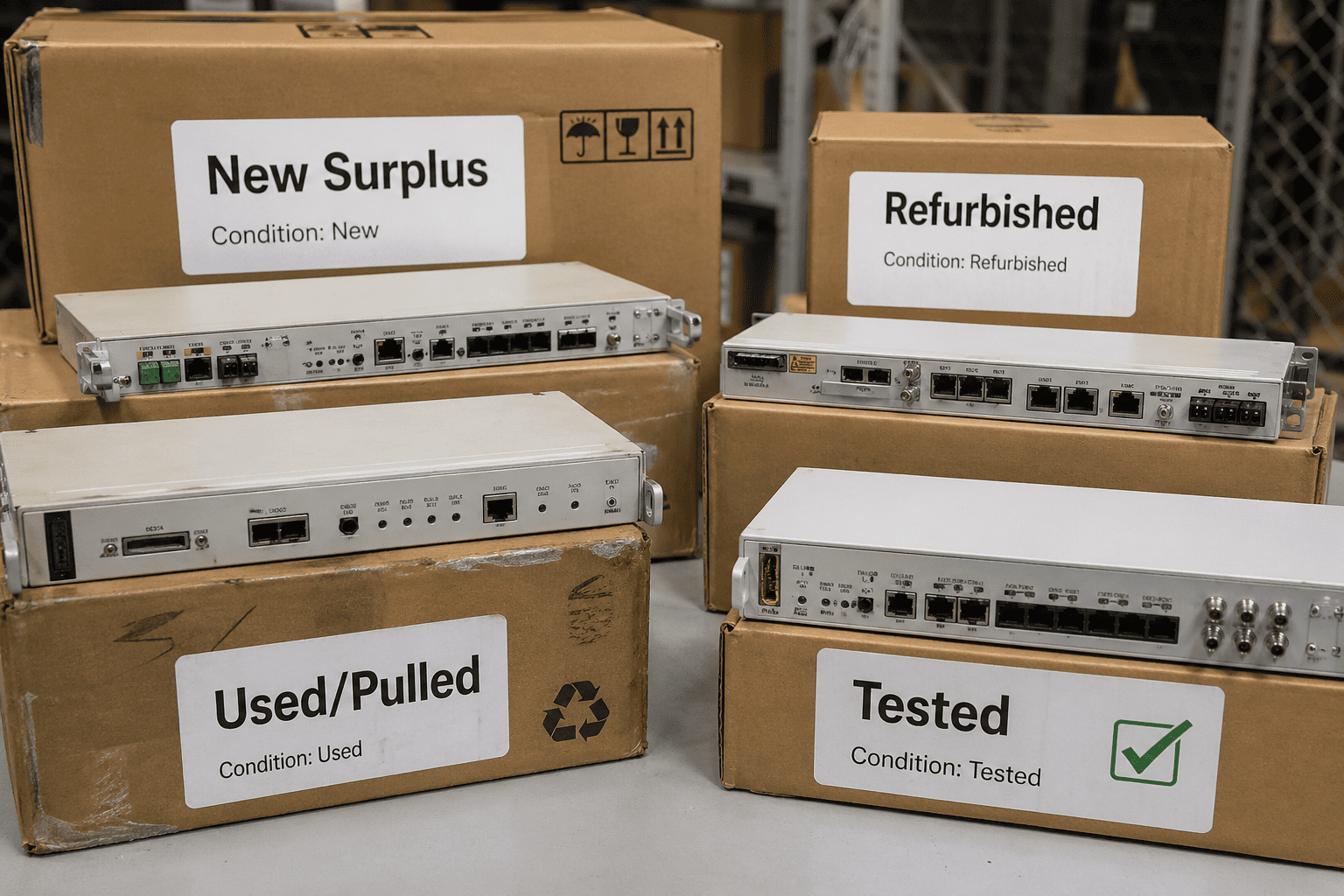
In our daily interactions with buyers, the first point of confusion is often the definition of the equipment's condition. A part number might be the same, but its history, performance, and risk level can vary dramatically. Chasing the lowest price without understanding the condition is a gamble. Before we even prepare a quote, we make sure our clients understand these differences because it directly impacts the success of their project. You need to ask your supplier to be specific.
Understanding the Labels
The terms aren't always standardized across the industry, so you must ask for clarification. Here is a general guide to what these terms usually mean:
| Condition | Description | Key Consideration |
|---|---|---|
| New Surplus | Unused equipment, often in its original sealed box, but sold through a secondary channel. | Is the manufacturer's warranty still valid? Is the packaging truly factory-sealed? |
| Refurbished | Used equipment that has been tested, repaired (if necessary), cleaned, and restored to full working condition. | What was the refurbishment process? Does it include a warranty from the seller? |
| Used / Pulled | Equipment that was taken from a working environment. It might be tested or sold "as-is". | Was it tested after being pulled? What are the terms for Dead on Arrival (DOA)? |
| Tested | This indicates the unit has passed some level of functional testing, such as a power-on test. | Ask for the test report. A simple "power-on" test is not the same as a full load test. |
In my experience, a "refurbished" unit from one seller might just be a cleaned and repacked item, while for us, it means a full diagnostic and function test by our technical team. Always ask, "What does 'refurbished' mean to you?"
Is the Model Number Enough to Guarantee Compatibility?
You ordered a replacement card with the exact model number. But when it arrived, it didn't work with your system. Now your network is still down, and you have wasted time and money.
Absolutely not. The model number is just the starting point. You must also verify the hardware version, software version, frequency band, and any regional or operator-specific locks to ensure it will integrate seamlessly into your live network.
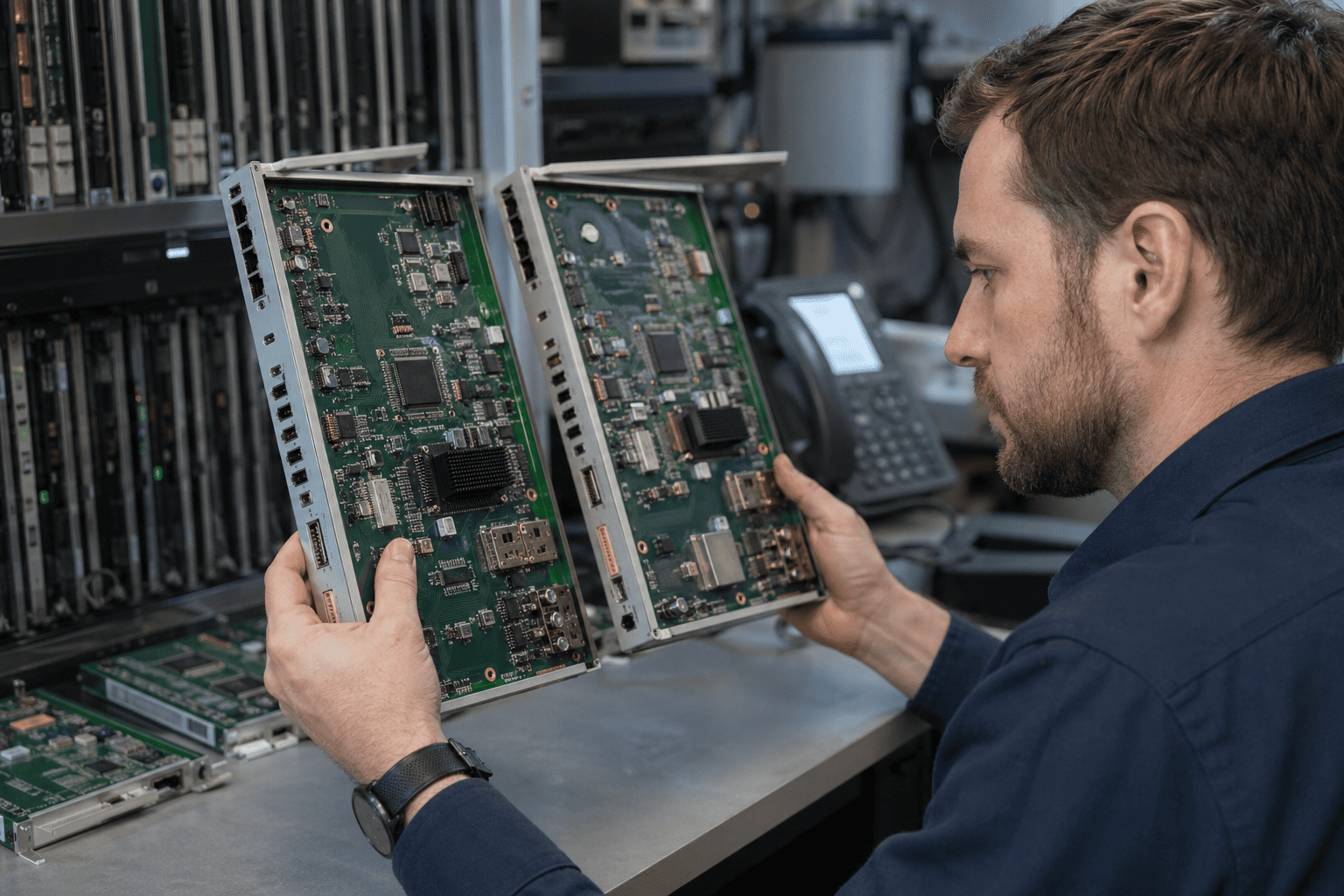
This is the single most underestimated cost in buying used telecom equipment. Many buyers, especially those new to the secondary market, assume that if the brand and model number match, the part will work. This is a dangerous assumption that can lead to project failure. In our business, we've learned that asking detailed questions about compatibility before the sale prevents 99% of post-sale problems. We don't just sell parts; we provide solutions that work in your specific environment.
Critical Compatibility Checkpoints
Before you confirm an order, get written confirmation on these points:
- Hardware and Software Versions: A board like a Huawei BBU may have multiple hardware versions (e.g., Ver. A, Ver. B, Ver. D). A newer version might not be backward-compatible with your older system, and an older version might not support your required features. The same goes for software. An RRU with old firmware may not connect to a BBU running the latest software.
- Frequency Bands and Regional Locks: This is crucial for wireless equipment like RRUs and AAUs. A unit designed for the European market will operate on different frequency bands than one meant for North America or Asia. Using the wrong one is not a software fix; the hardware is fundamentally different.
- Licenses and Feature Sets: Some equipment, especially routers and core network components, requires licenses to unlock certain features or capacities. A "used" device might have had its licenses wiped, or they may be tied to the original owner. You must confirm the license status before you buy, or you might be purchasing a box with no functionality.
How Can You Verify the Equipment's Condition Without Seeing It?
A supplier sent you beautiful photos of a product. But you're still worried about what you'll actually receive. How can you be sure the equipment is as good as it looks?
Photos are not enough. Request specific evidence from your supplier. Ask for the serial number, clear photos of the nameplate and ports, a copy of the testing report, and details about the packaging. This documentation is your real proof of quality.
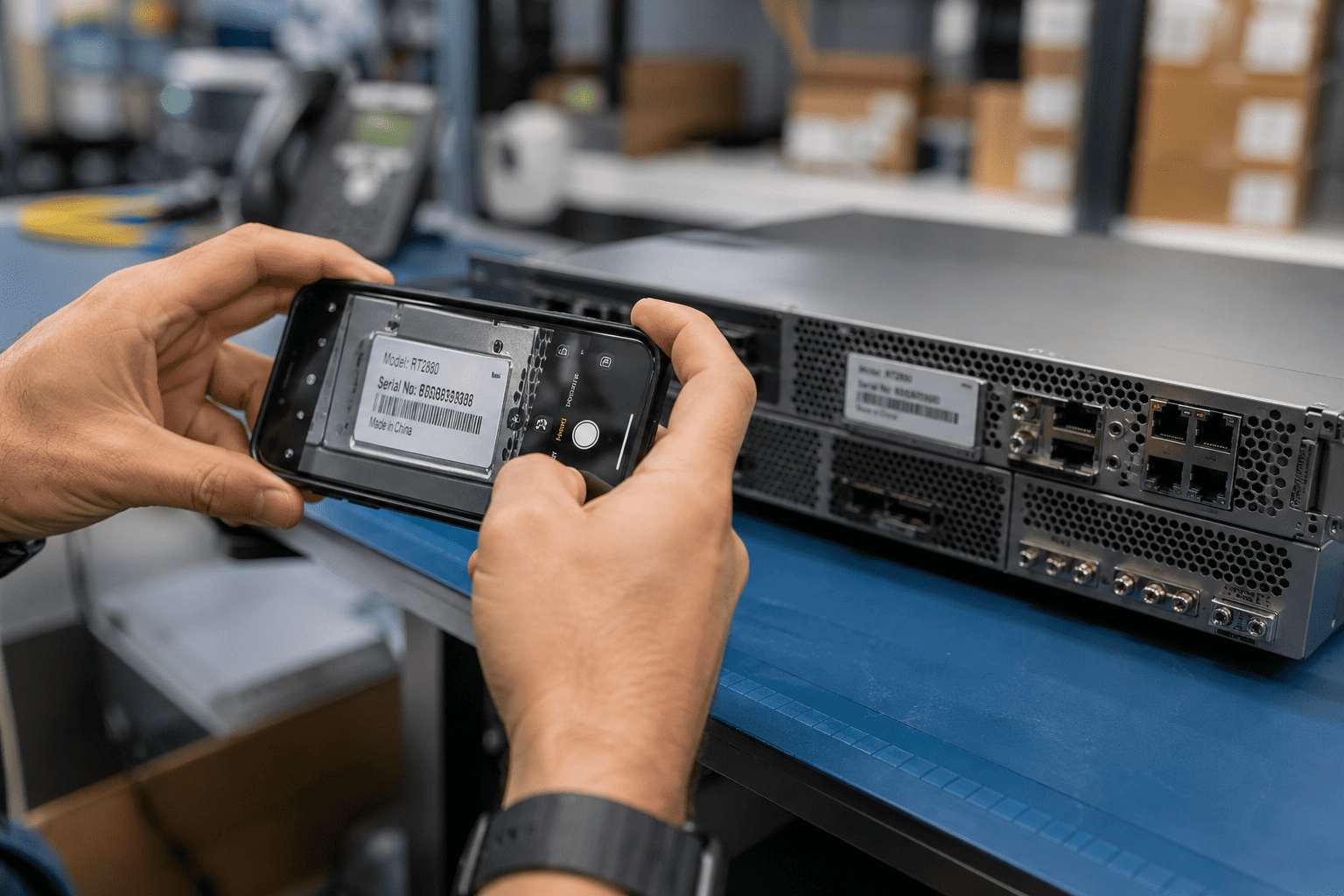
A generic product photo from a catalog means nothing. In the secondary market, you are buying a specific, individual piece of hardware with its own unique history. You have every right to demand proof of the exact item you are paying for. If a supplier is hesitant to provide this information, it's a major red flag. At our company, transparency is key. We know that providing this evidence builds the trust needed for a long-term business relationship. Our testing team ensures every product we ship is fully functional, and we are happy to prove it.
Your Evidence Checklist
Don't be shy about asking for these items. A professional supplier will have them ready.
-
### Photos of the Actual Unit: Request pictures of the exact item you will receive, not a stock photo. Ask for:
- A clear shot of the serial number and part number on the nameplate.
- Close-ups of all ports to check for physical damage.
- An overall view to assess the cosmetic condition.
-
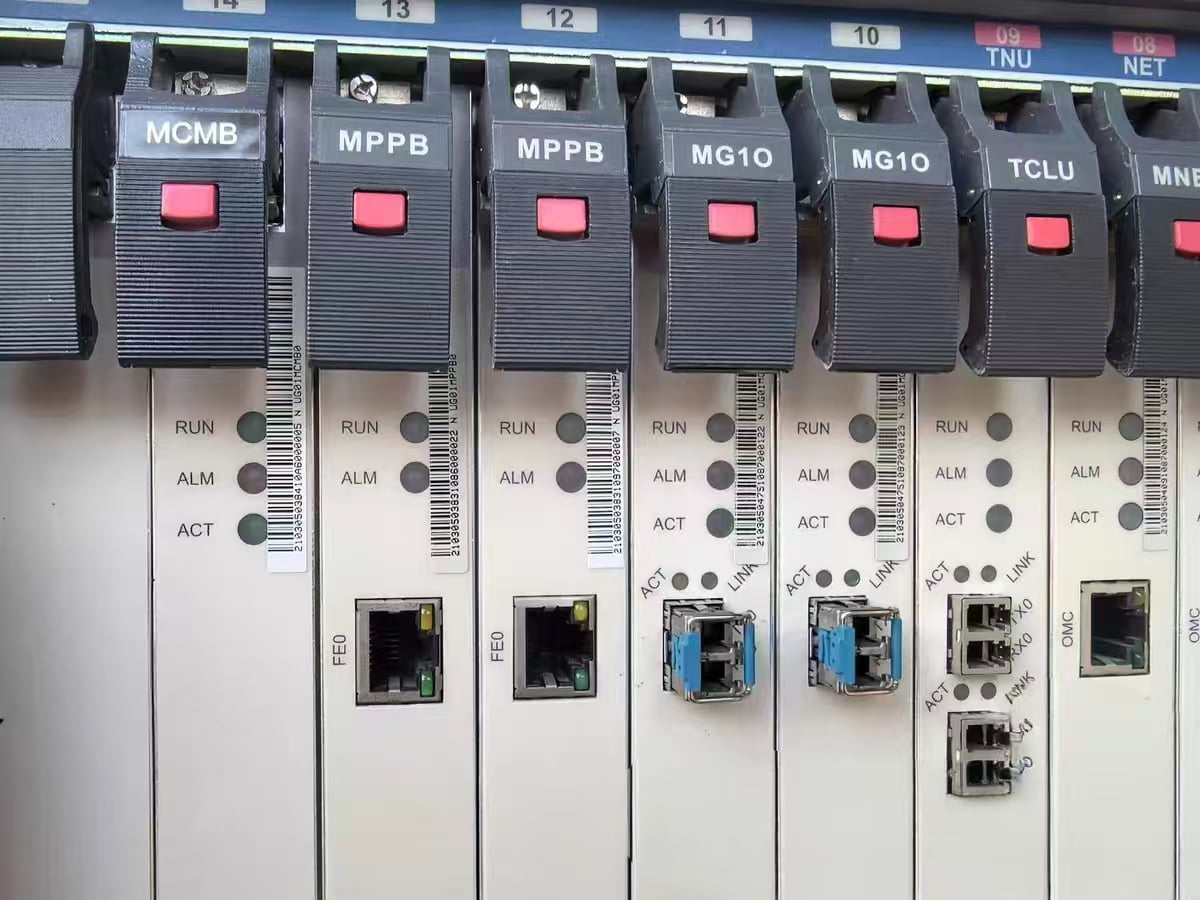
### The Test Report: "Tested" is a vague term. A real test report provides concrete evidence. For a piece of transmission equipment like an OSN card, we would provide a report showing that it powers on, is recognized by the system, and that all ports pass traffic without errors. This report, generated by our in-house technical team, is your assurance that the product is 100% functional before it leaves our facility.
-
### Warranty and DOA Policy: This is your safety net. Confirm the warranty period (we offer 6-12 months depending on the product) and the process for handling a Dead on Arrival (DOA) unit. Who pays for return shipping? How quickly will a replacement be sent? Get these terms in writing.
Is the Lowest Quote Always the Cheapest Option?
You're tempted by an incredibly low price on a critical piece of equipment. But what if it fails? The hidden costs of downtime and returns could wipe out any initial savings.
The lowest quote often ignores the total cost of ownership. A cheap part with no warranty, unclear history, or potential for failure can lead to expensive project delays, return shipping costs, and reputational damage. A reliable partner is cheaper in the long run.
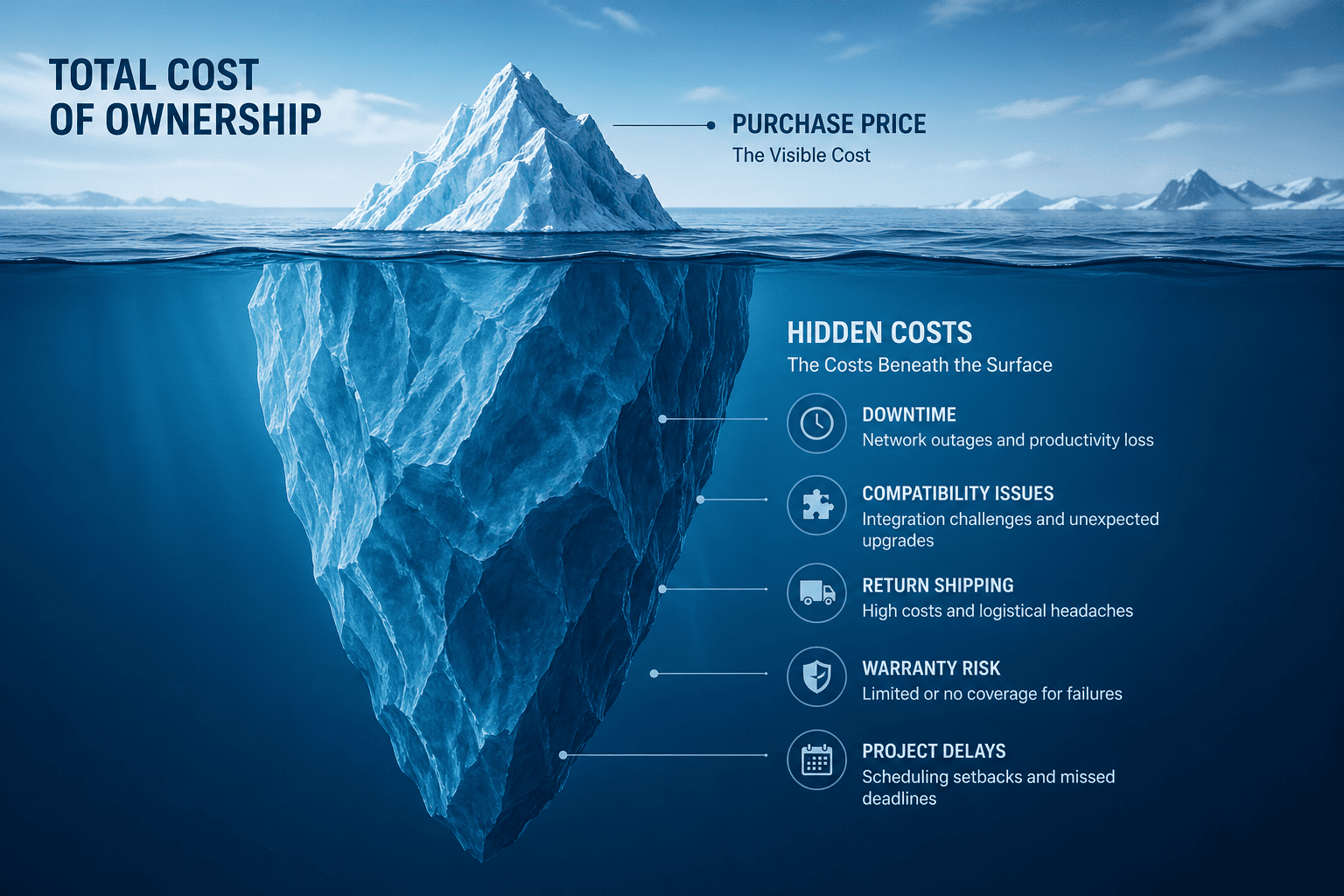
Over my nearly 20 years in this industry, first in domestic trade and now in international exports, I've seen buyers learn this lesson the hard way. The price on the quote is just the tip of the iceberg. The real cost includes the risks you take. A part that is 10% cheaper but has a 50% chance of being incompatible or failing is not a bargain. It's a liability. As a supplier based in Baoding, we leverage our location and long-term partnerships to offer competitive pricing, but we never compromise on reliability. We believe the best price includes peace of mind.
Calculating the True Cost
When you evaluate a quote, look beyond the price and consider these potential hidden costs:
- ### Project Delays: What is the cost to your project for every day your network is down or your rollout is stalled? A cheap, non-working part can cost you thousands in lost revenue or penalties.
- ### Shipping and Customs: If you have to return a faulty item to an overseas supplier with no clear return policy, you could be on the hook for expensive international shipping and complex customs procedures.
- ### Technical Support: When a part doesn't work, who do you call? A low-price seller may disappear after the sale. We have a professional technical team that not only tests our equipment but can also provide alternative solutions and support to our clients.
- ### Warranty: Our 6-12 month warranty is our promise of quality. It's an assurance that we stand behind our products. A part with no warranty might be cheaper upfront, but it carries all the risk. Your initial savings can vanish the moment it fails.
Conclusion
Buying used telecom gear is about managing risk, not just hunting for low prices. Verifying condition, compatibility, and seller reliability ensures you get equipment that works and adds value to your project.