
Struggling to find the right Huawei RRU? You risk buying incompatible equipment that disrupts your network and wastes your budget. This confusion is a common problem for many buyers.
To buy the right Huawei RRU, you must provide the specific model, Part Number (PN), and frequency band. Don't just ask for a "Huawei RRU." This precision ensures you get a compatible unit, a fair price, and reliable performance for your network maintenance or expansion.
I've been in the telecom spare parts business for many years, exporting equipment from brands like Huawei, ZTE, and Ericsson. A lot of buyers reach out asking for a "Huawei RRU," but that's only the beginning of the conversation. To truly help them get what they need and avoid costly mistakes, I always need more details. Let's break down what information is crucial and why it matters so much for your purchasing success.
Why is Just Asking for a "Huawei RRU" a Costly Mistake?
Think all Huawei RRUs are the same? This common mistake leads to ordering the wrong part. You then face project delays, return hassles, and even network downtime.
Asking for a generic "Huawei RRU" is a mistake because compatibility depends on the specific model, Part Number (PN), and software version. A mismatched RRU won't work with your BBU or network, turning a good deal into a useless piece of hardware and a major operational headache.
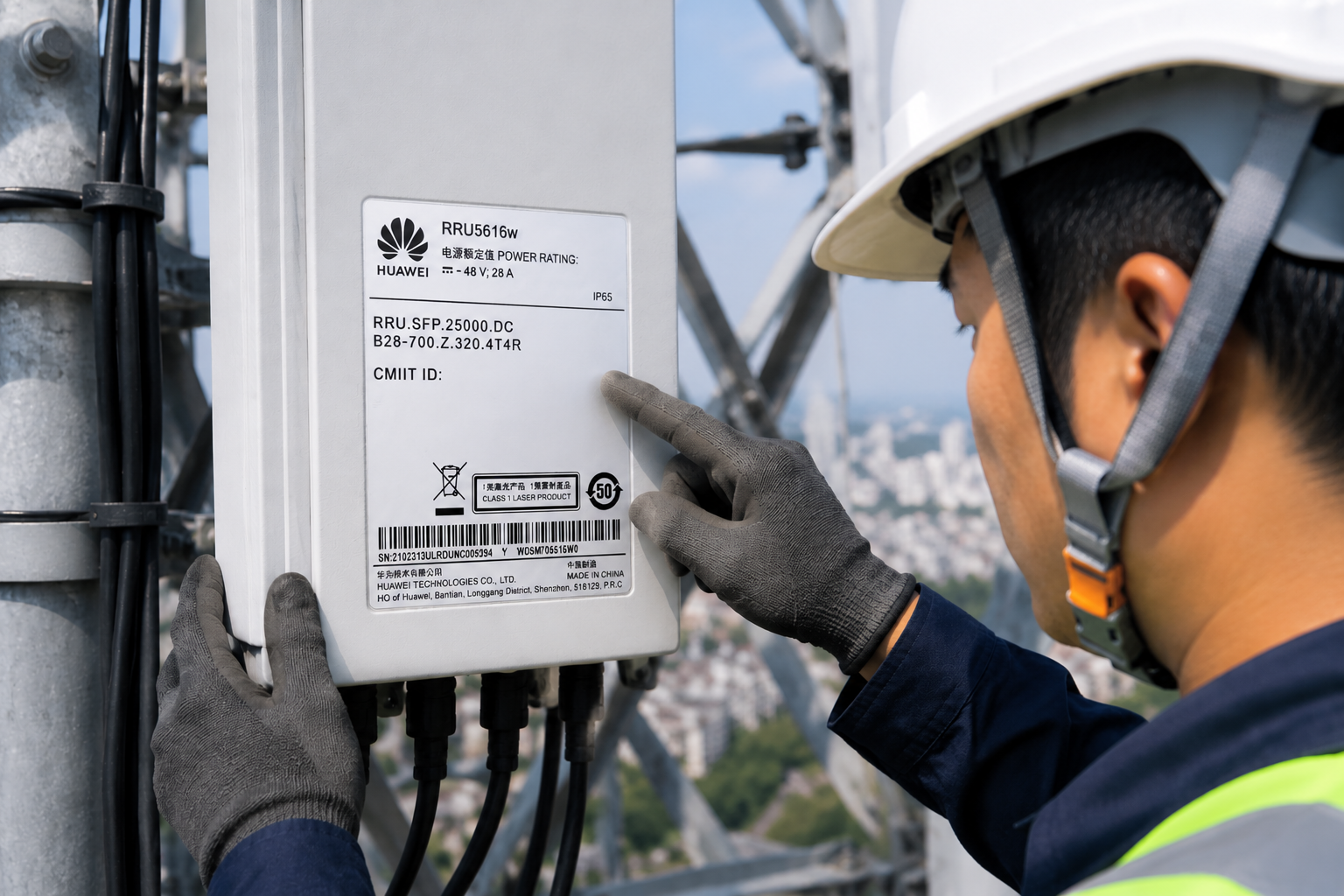
I remember a client from Africa who sent me a photo of an RRU on a tower. He just said, "I need this." The photo was blurry, and I couldn't read the nameplate. He thought any RRU that looked similar would work. This is a huge risk. The same RRU housing can contain different internal components for different frequency bands. If you buy the wrong one, it simply won't connect to your network, or it won't broadcast on the correct frequency. That's why I always ask for very specific information. It’s not to make things difficult; it’s to protect your investment and keep your network running smoothly.
The Details That Truly Matter
To avoid these problems, you need to provide clear details. A vague request leads to a vague and risky offer. A specific request leads to an accurate quote for the exact part you need.
| Vague Request (High Risk) | Specific Request (Low Risk) |
|---|---|
| "Do you have Huawei RRU?" | "We need 10 units of Huawei RRU3959, PN 02310YLG, for Band 3 (1800MHz). New or refurbished condition is acceptable." |
| "I need a 4G RRU." | "Please quote for a used RRU5501 for our LTE network in Brazil. Attached is a photo of the nameplate from our current unit." |
| "Send me your price list for RRUs." | "What is your best price and lead time for 5 pcs of RRU3268, Condition: Used, fully tested with warranty?" |
These details are not just for pricing. They are for compatibility. The Part Number (PN) is especially important because it can define the specific hardware version and frequency band, even for the same model number.
New, Used, or Refurbished: Is the Lowest Price Always the Best Choice?
Tempted by a very low price on a used RRU? This can be risky. You might get an untested, faulty unit with no warranty, which will cause bigger problems and costs later.
The lowest price is not always the best choice. A refurbished or used RRU must be evaluated on its testing report, warranty period, supplier reputation, and lead time. A slightly more expensive, fully tested unit with a warranty from a reliable source like us offers much better value and less risk.
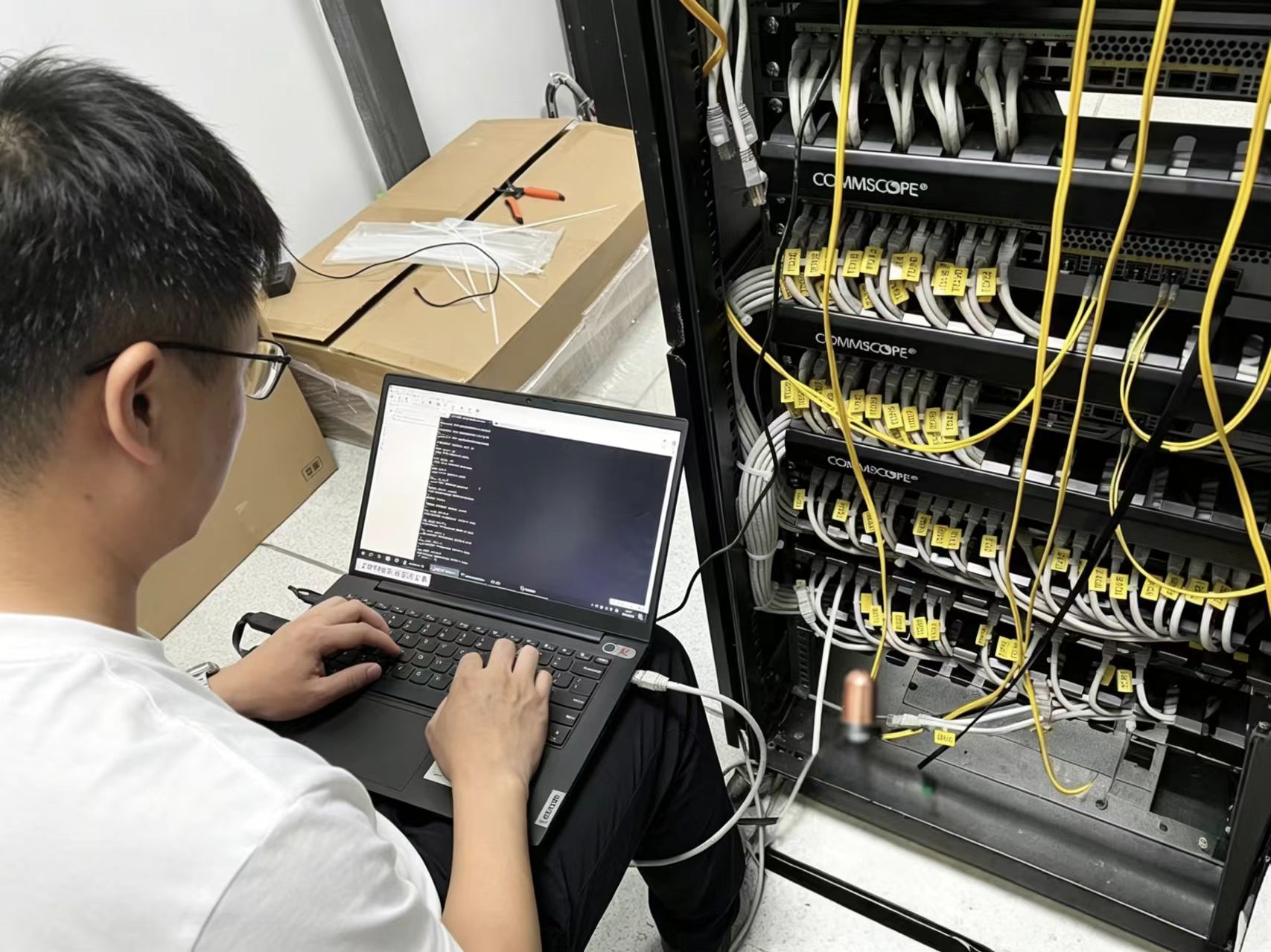
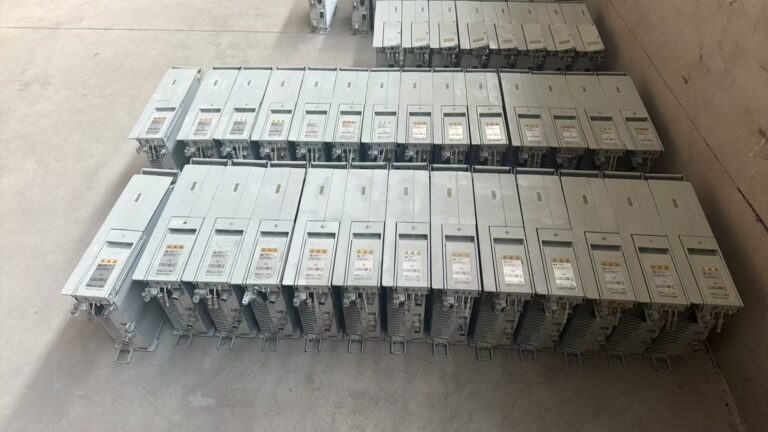
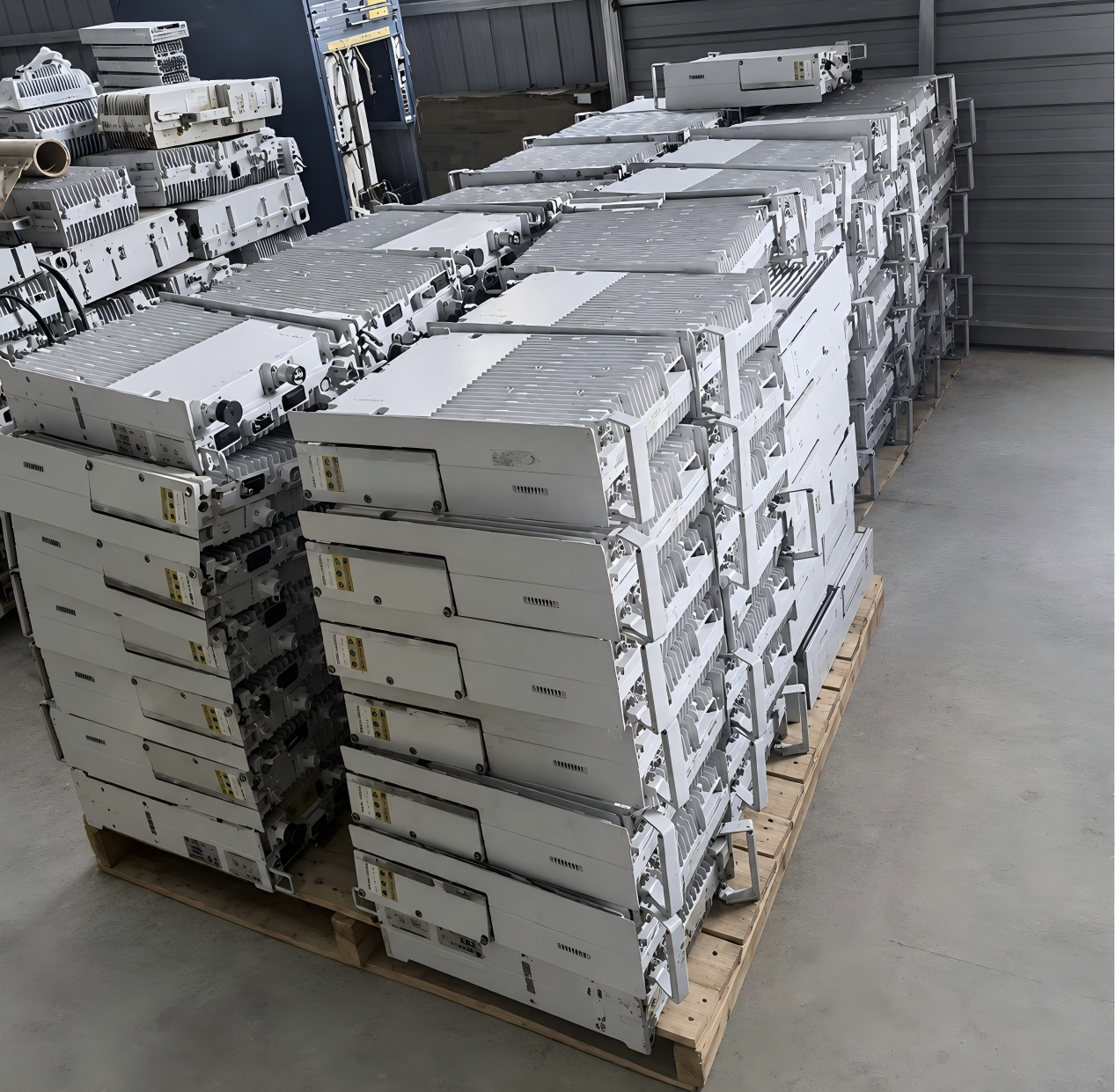
Over the years, I've seen many buyers get burned by chasing the absolute lowest price. They buy a "used" RRU from an unknown source and it arrives dead on arrival, or it fails after a few weeks. Now they have to spend more money to replace it, and they've lost time. Here at Baoding Enken, we operate differently. Our location in Hebei, the largest hub for telecom parts in China, gives us access to a massive inventory. But we don't just ship boxes. We have a professional testing team. Every refurbished and used unit goes through a full functional test before it leaves our warehouse. We provide a test report and a solid warranty—usually 6 to 12 months. This gives you peace of mind.
A Framework for Comparing Different Conditions
You need to look beyond the price tag. The real cost includes the risk of failure, downtime, and lack of support. Here is a simple way to compare your options:
| Factor | New | Refurbished (from a good supplier) | Used (from an unknown source) |
|---|---|---|---|
| Price | Highest | Medium | Lowest |
| Lead Time | Can be long if not in stock | Often short, from stock | Varies, can be unpredictable |
| Warranty | Full manufacturer's warranty | Supplier warranty (e.g., 6-12 months) | Often none, or very short (e.g., DOA) |
| Testing | Factory tested | Fully tested with a report | Uncertain, often untested |
| Source Reliability | High | Depends on the supplier's reputation | Low, high risk of scams or bad quality |
| Overall Risk | Very Low | Low | Very High |
Choosing a reliable supplier who provides testing and a warranty is the smartest way to manage your budget and your network's stability.
Can You Use a Different Model as a Substitute?
Can't find the exact RRU model you need? You might consider a substitute. But choosing the wrong one can lead to network incompatibility and serious performance issues.
Yes, substitutions are sometimes possible, but it is a complex process. A potential substitute must match the frequency band, technology (4G/5G), power output, and software compatibility with your existing BBU. Always consult an experienced supplier and confirm with your technical team before buying a replacement model.
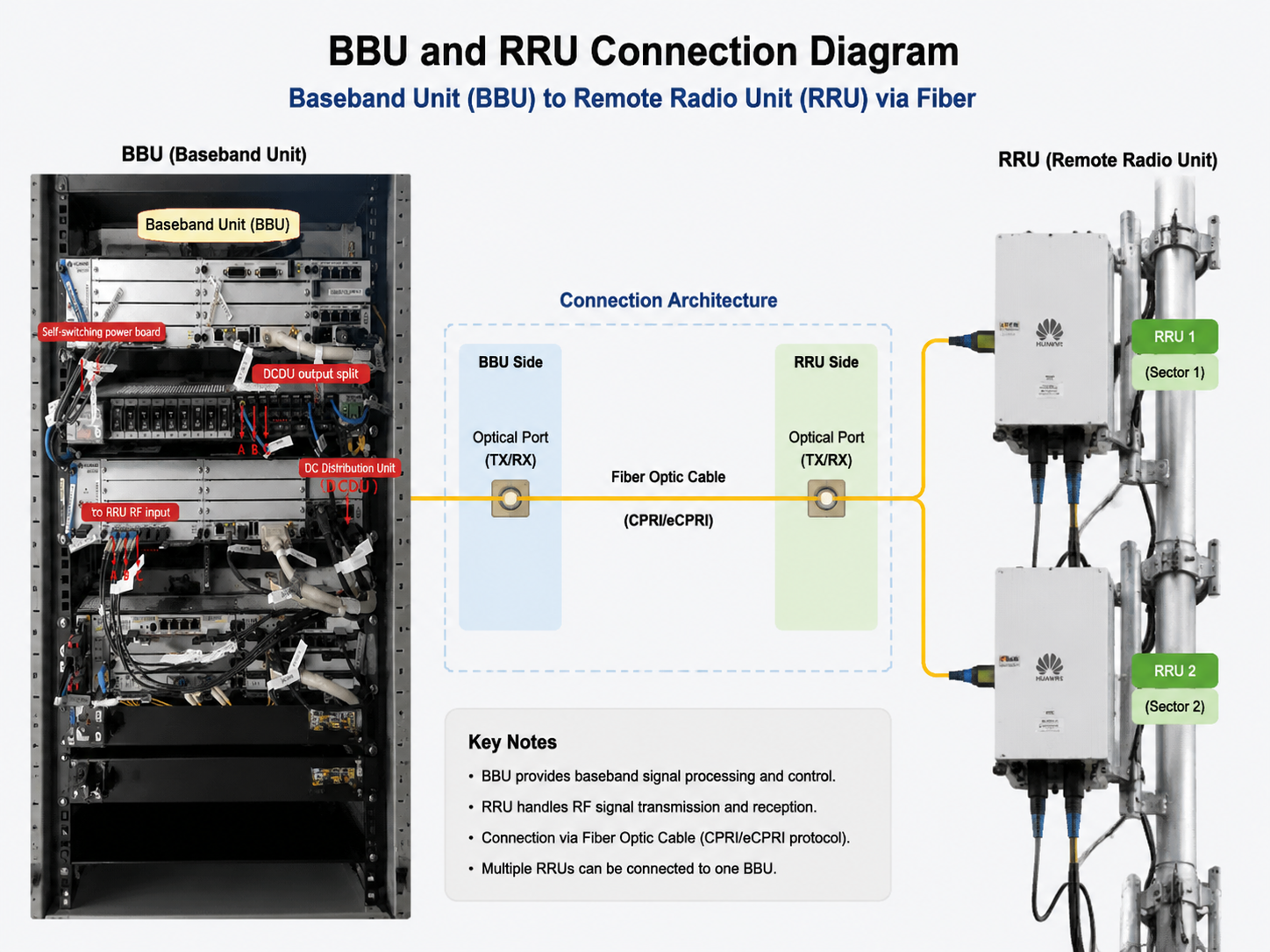
This is where experience really matters. Because we have been in this business for almost 20 years, we have seen many different network configurations. Sometimes, a customer needs an older model that is no longer produced. Based on our knowledge, we might be able to suggest a newer model that works on the same band and is compatible with their system. For example, if a client needs an RRU3959, we might know another model that works in the same band and has a similar capacity. However, I always tell them the same thing: "This is a potential suggestion based on our experience, but you must verify it with your engineers. The final decision must be based on your specific network configuration and BBU software version." A good supplier provides advice, but a smart buyer always does the final check.
Key Checks for RRU Substitution
If you are considering a substitute, here are the absolute must-check items. This is not a complete engineering guide, but it's the minimum checklist you should use with your technical team.
- Frequency Band and Technology: This is non-negotiable. If your network runs on Band 3 (1800MHz) for 4G LTE, the substitute RRU must support Band 3 4G LTE. There is no way around this.
- Hardware & Software Compatibility: The substitute RRU must be compatible with your BBU model and, crucially, its software version. An RRU that is not supported by the BBU's software will not be recognized.
- Physical & Power Specs: Check the physical size, weight, and power consumption. You need to be sure it will fit on the tower and that your power system can support it.
- Performance Parity: The substitute should have a similar power output (e.g., 2x40W) and capacity to the original unit. Using a lower-power RRU could create coverage gaps in your network.
Conclusion
Buying a Huawei RRU is about precision and partnership. Provide detailed specifications to get the right part and choose a supplier who offers testing, warranty, and expert advice.