
In today’s fast‑changing telecommunications industry, network operators, integrators, and enterprises face constant pressure to maintain performance, control budgets, and respond quickly to outages or expansion needs.
While original equipment manufacturer (OEM) new equipment remains important, the telecom equipment secondary market has become an essential, reliable, and cost‑effective solution for modern network management.
From spare parts and legacy hardware to fully tested refurbished systems, the secondary market offers clear advantages that directly improve your operational efficiency and bottom line.
1. Significant Cost Savings Compared to New OEM Equipment
The most obvious benefit of the secondary market is dramatic cost reduction.
Used, refurbished, and new‑surplus telecom equipment typically costs 40% to 80% less than buying directly from manufacturers. This is not low‑quality equipment — it is professionally tested, verified, and ready for deployment.
These savings allow you to:
- Reduce capital expenditure (CapEx)
- Expand your network within budget
- Build spare parts inventory without overspending
- Lower total cost of ownership (TCO)
2. Immediate Availability and Faster Deployment
One of the biggest pain points with new telecom hardware is long lead times. Global supply chain delays, chip shortages, and production backlogs can delay projects for months.
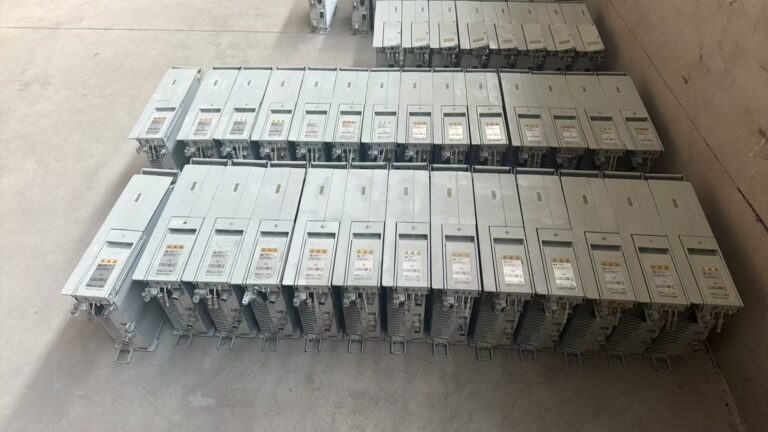
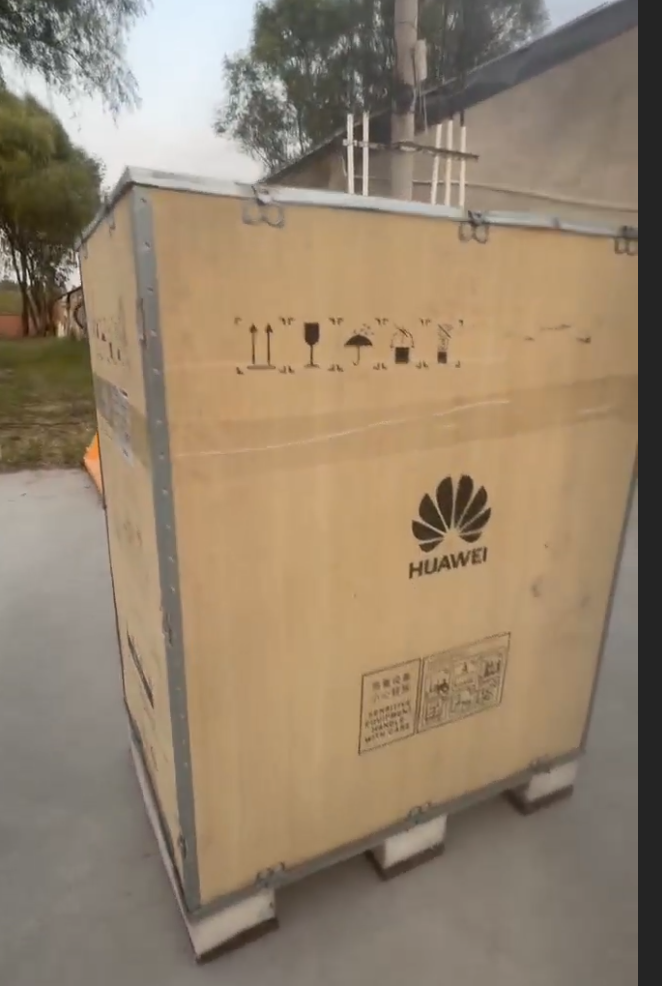
The secondary market solves this with in-stock availability. Reputable suppliers keep a large inventory of ready-to-ship equipment, including:
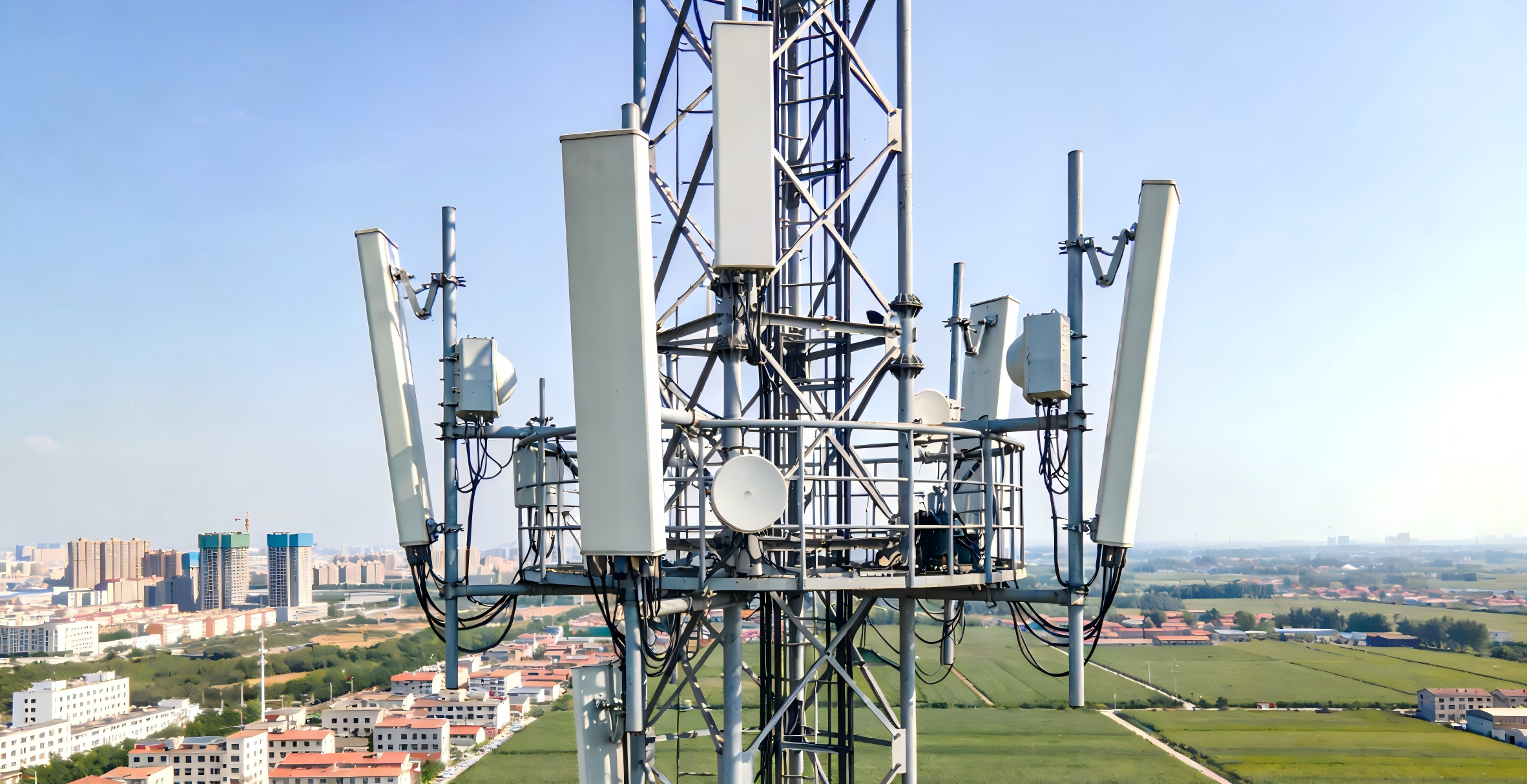
- Base stations and wireless modules
- Transmission and optical networking equipment
- Power modules and power supply units
- Legacy and end-of-life (EOL) parts
This means faster deployment, shorter project timelines, and minimal network downtime.
2. Immediate Availability and Faster Deployment
One of the biggest pain points with new telecom hardware is long lead times. Global supply chain delays, chip shortages, and production backlogs can delay projects for months.
The secondary market solves this with in-stock availability. Reputable suppliers keep a large inventory of ready-to-ship equipment, including:
- Base stations and wireless modules
- Transmission and optical networking equipment
- Power modules and power supply units
- Legacy and end-of-life (EOL) parts
This means faster deployment, shorter project timelines, and minimal network downtime.
3. Lifeline for Legacy and EOL Telecom Systems
Many existing networks still rely on legacy infrastructure that is no longer produced or supported by OEMs. Replacing these entire systems is often unnecessary and extremely expensive.
The telecom secondary market is the most reliable source for discontinued and hard‑to‑find components. This allows you to:
- Extend the life of your current network
- Avoid full infrastructure overhauls
- Maintain compatibility with existing architecture
- Support older sites without forced upgrades
4. Proven Quality and Professional Refurbishment
A common misunderstanding is that secondary‑market equipment is unreliable.
Today’s professional suppliers follow strict testing and refurbishment processes:
- Full functional testing
- Firmware updates and configuration
- Replacement of worn components
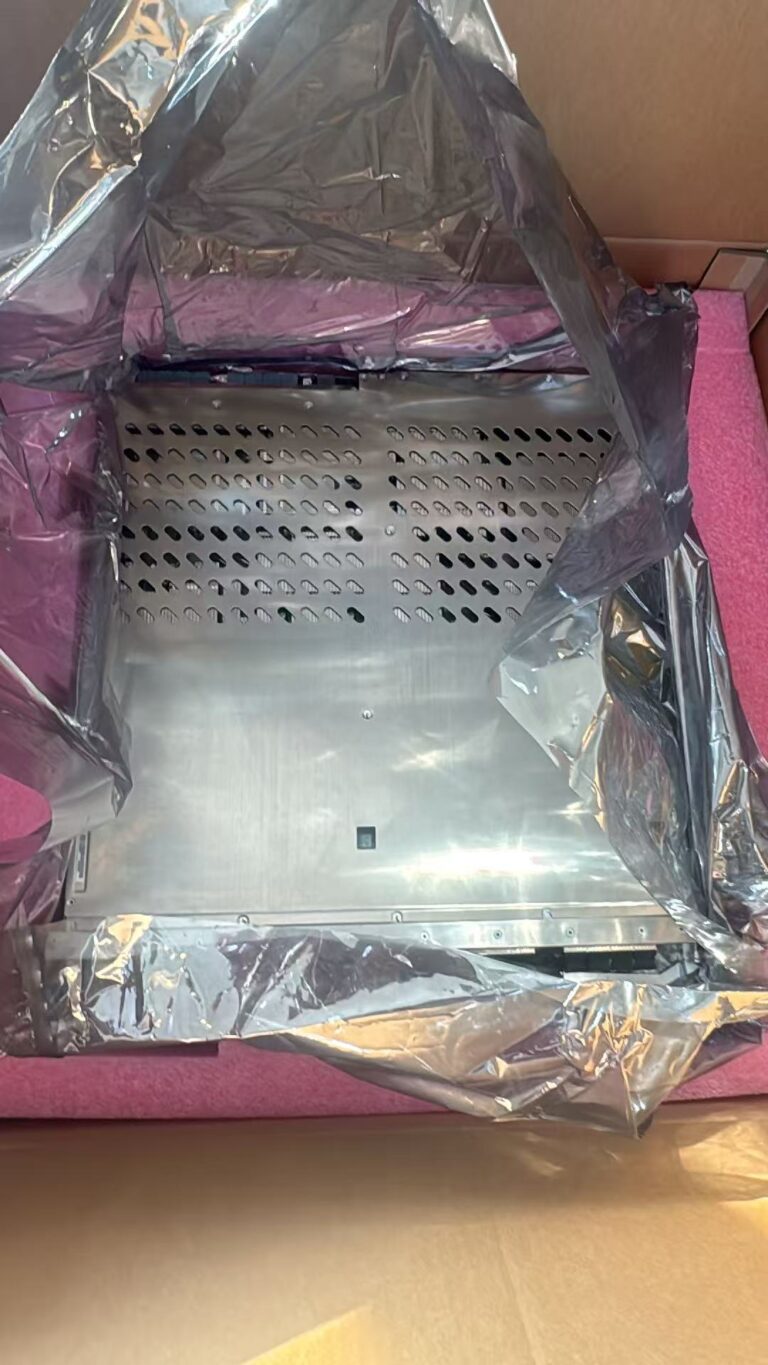
- Cleaning and repackaging
- Warranty support
Well‑sourced refurbished telecom equipment performs almost identically to new equipment, at a much lower cost.
5. Stronger Supply Chain Resilience
Geopolitical risks, shipping disruptions, and component shortages have made global supply chains unpredictable.
By using the secondary market, you gain:
- Diversified sourcing options
- Less dependence on single manufacturers
- Faster access to critical spares
- Better control over inventory and logistics
This resilience is especially important for mission‑critical networks.
6. Eco-Friendly and Sustainable Network Operations
Sustainability is no longer optional — it is a global business requirement.
The secondary market supports a circular economy by:
- Extending the lifecycle of telecom hardware
- Reducing electronic waste (e‑waste)
- Lowering energy and resource consumption from new production
- Helping your company meet ESG goals
Choosing used and refurbished equipment is both economically and environmentally smart.
Conclusion
The telecom equipment secondary market is no longer a last‑resort option — it is a strategic procurement choice for modern network operators.
It delivers lower costs, faster delivery, reliable quality, legacy support, and environmental benefits, all while strengthening your supply chain.
Whether you need spare parts for emergency repairs, hardware for network expansion, or cost‑effective solutions for legacy systems, the secondary market provides a balanced, practical, and efficient way to manage your telecom infrastructure.
Zejiuheng Trade is a professional provider of telecom equipment solutions. With years of deep roots in the secondary market for telecom equipment, we focus on delivering cost-effective, high-quality telecom equipment and supporting services to network operators, system integrators and enterprise customers worldwide.
Our products include, but are not limited to
3G 4G 5G New, Refurbished, Used OLT, BBU, RRU, AAU, Cables, Connectors,board cards, Transmission equipment,antenna,wireless basestation , Router , DWDM ,server ,and other spare parts from Huawei ZTE Ericsson Nokia Alcatel Juniper …
Contact Us
If you have needs for telecom equipment procurement, spare parts sourcing, refurbishment customization or O&M consulting, please feel free to contact us.
- Hotline/whatsapp/wechat: +86 19538142158
- Email: alison@enkentrade.com
- https://zejiuhengtrade.com/telecom_spare/
We look forward to working with you to build an efficient, economical and sustainable telecommunications network!