
In telecom networks, transmission equipment carries traffic between base stations, aggregation sites, core networks, data centers and service platforms. For operators, maintenance contractors, system integrators and telecom traders, terms like OSN, PTN and DWDM often appear in spare parts requests.
However, these three terms do not mean the same thing.
OSN is commonly used in the market to refer to optical transmission equipment, especially Huawei OptiX OSN series equipment.
PTN usually refers to packet transport network equipment used to carry Ethernet and packet-based services.
DWDM is an optical wavelength technology that allows multiple optical channels to run over the same fiber.
Understanding the difference helps buyers choose the right boards, optical modules, power units, fan modules, service cards and chassis parts before placing an order.
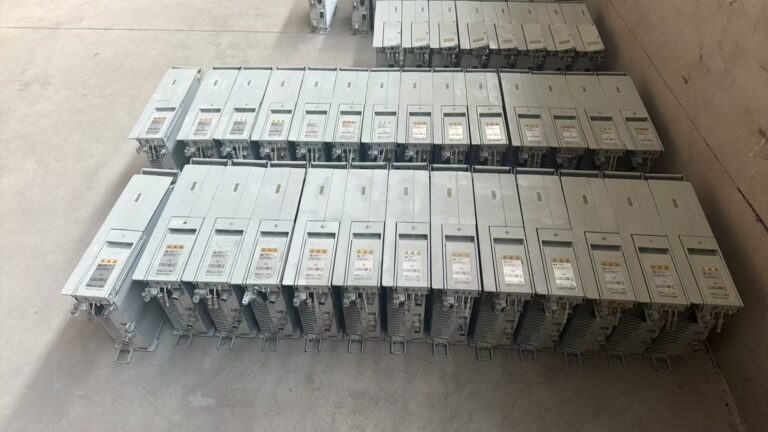
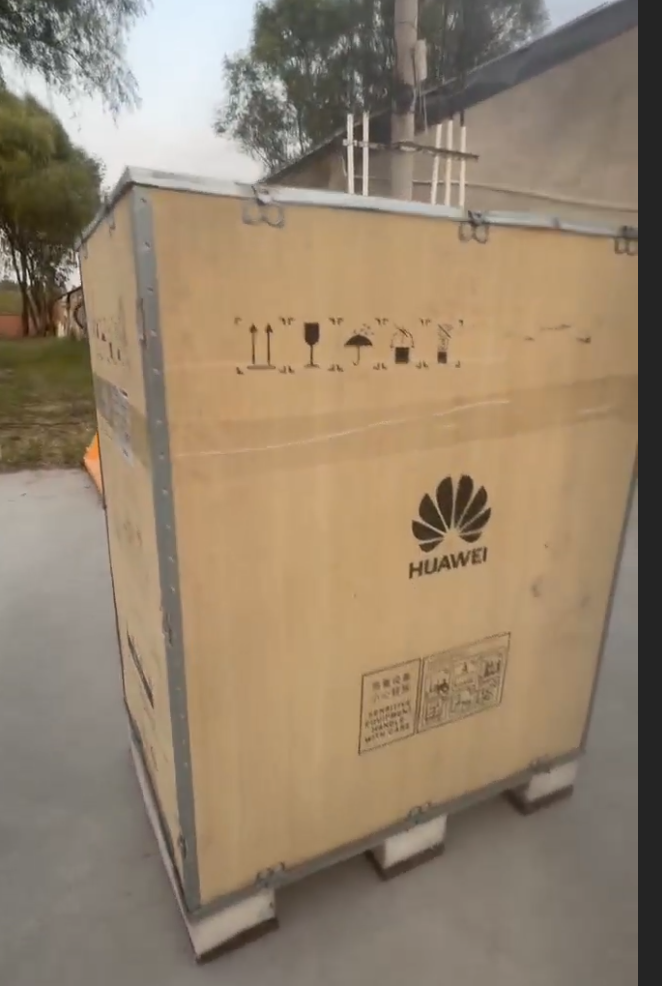
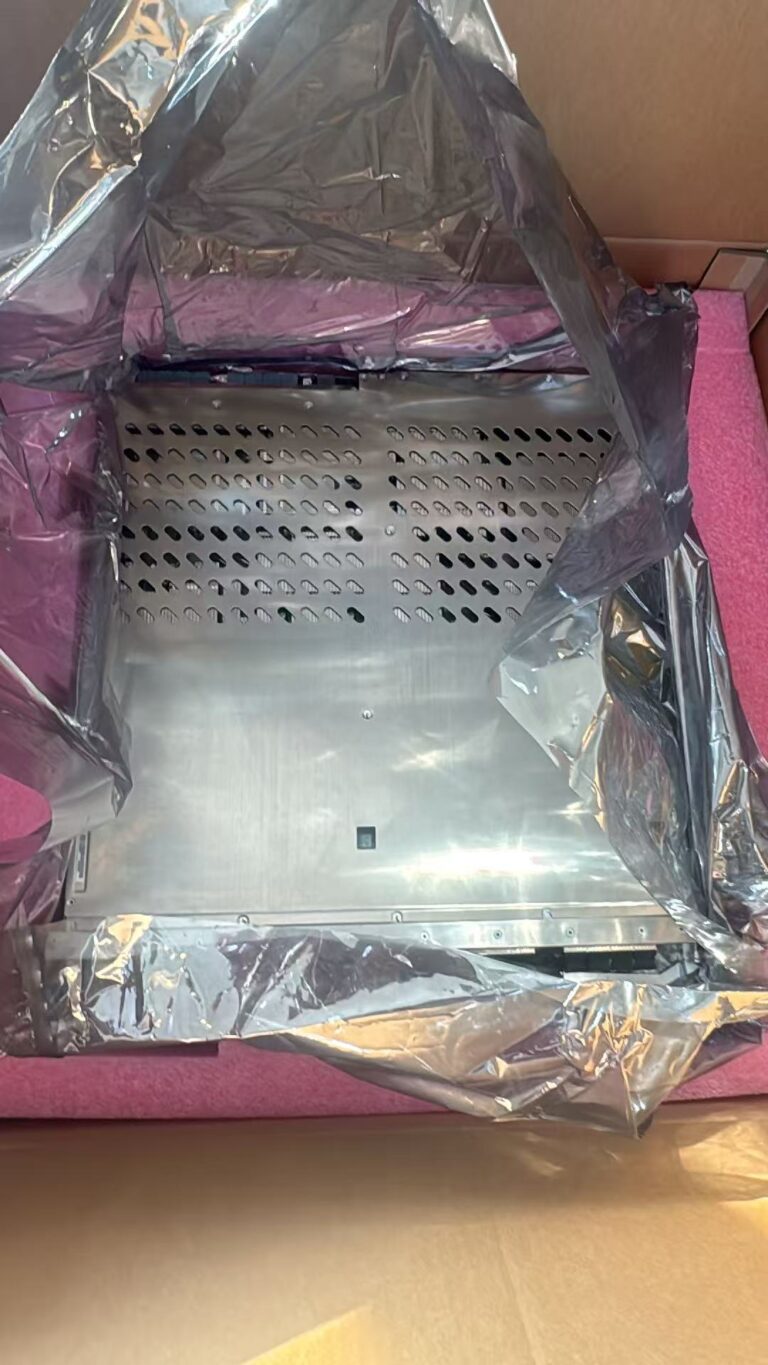
At ZEJIUHENG Trade, we work with telecom spare parts from the secondary market, including operator decommissioning, project surplus stock, inventory clearance, dismantled equipment, tested used units and refurbished equipment. For transmission equipment, the most important buying details are usually model number, PN code, board type, optical interface, software version, test status and warranty.
What Is Transmission Equipment in a Telecom Network?
Transmission equipment connects different parts of a telecom network and carries voice, data, mobile backhaul, broadband, enterprise leased line and other services.
A simple telecom transmission path may look like this:
Base Station / Access Site
        |
        | RRU / BBU / Access Equipment
        |
Transmission Equipment
        |
Aggregation / Metro Network
        |
Core Network / Data Center
Transmission equipment may carry different types of traffic, including Ethernet services, SDH / SONET services, OTN services, IP/MPLS traffic, mobile backhaul traffic, enterprise private line services and data center interconnection traffic.
Modern optical transport networks are often related to OTN concepts. ITU-T Recommendation G.709 defines interfaces for Optical Transport Network. You can find the standard here: ITU-T G.709 Optical Transport Network.
What Is OSN?
In the telecom spare parts market, OSN often refers to optical switching or optical transmission network equipment. Many buyers use the term when asking for Huawei OptiX OSN equipment, such as OSN transmission chassis, service boards, cross-connect boards, power modules, fan trays and optical interface boards.
OSN equipment is commonly used in metro transmission networks, backbone transmission networks, mobile backhaul networks, enterprise leased line networks, operator transport networks and legacy SDH/OTN network maintenance.
The job of OSN equipment is to transport services reliably over optical fiber. Depending on the model and board configuration, OSN platforms may support SDH, OTN, WDM, Ethernet services or a mix of different transport technologies.
For buyers, OSN is not just one product. It is a platform family. A correct order usually needs more information than the name “OSN”.
Buyers should confirm:
- Exact equipment model
- Board name
- PN code
- Hardware version
- Software version
- Service type
- Optical interface rate
- Required SFP / XFP / CFP module
- Power and fan configuration
- Whether the unit is new, used tested or refurbished
For example, two OSN boards may look similar but support different service rates or different optical interfaces. Supplying the wrong board may cause the equipment to power on but fail in the live network.
What Is PTN?
PTN means Packet Transport Network. PTN equipment is designed to carry packet-based services in a carrier transport environment.
As telecom traffic moved from traditional TDM services to Ethernet and IP-based services, operators needed transmission equipment that could handle packet traffic while still offering transport-network features such as protection, OAM, traffic engineering and service management.
This is where PTN equipment is widely used.
PTN equipment is commonly used for mobile backhaul, metro aggregation, Ethernet private line services, enterprise access, IP-based transport and Carrier Ethernet service delivery.
A common technology related to PTN is MPLS-TP, which means Multiprotocol Label Switching - Transport Profile. The IETF describes MPLS-TP as a framework for applying MPLS to packet-switched transport networks, including connection-oriented paths, protection, restoration and OAM functions. You can refer to RFC 5921: A Framework for MPLS in Transport Networks and RFC 5654: Requirements of an MPLS Transport Profile.
In simple words:
PTN carries packet services in a transport-network style.
This makes PTN different from ordinary Ethernet switches. A normal switch may forward traffic inside a LAN, while PTN equipment is built for carrier transport, service protection, network management and backhaul scenarios.
What Is DWDM?
DWDM means Dense Wavelength Division Multiplexing.
DWDM is not a single box or board. It is an optical transmission technology. It allows multiple optical signals to be carried over the same fiber by using different wavelengths.
A simple way to understand DWDM:
One fiber
+ wavelength 1
+ wavelength 2
+ wavelength 3
+ wavelength 4
= multiple optical channels on the same fiber
Without DWDM, one fiber pair may carry fewer optical channels. With DWDM, operators can increase fiber capacity without laying new fiber, as long as the optical link budget, wavelength plan and equipment configuration support it.
DWDM wavelength grids are standardized by ITU-T. The DWDM frequency grid is defined in ITU-T G.694.1, which you can find here: ITU-T G.694.1 DWDM frequency grid.
DWDM systems may include transponders, muxponders, optical multiplexers, optical demultiplexers, optical amplifiers, DCM modules, ROADM boards, OSC boards, DWDM optical modules, line boards and client boards.
DWDM is often used in long-haul transmission, metro core networks, data center interconnection, international fiber routes and high-capacity operator backbone networks.
OSN vs PTN vs DWDM: What Is the Difference?
| Item | OSN | PTN | DWDM |
|---|---|---|---|
| Main role | Optical transport platform | Packet transport platform | Optical wavelength multiplexing technology |
| Common traffic | SDH, OTN, Ethernet, WDM depending on platform | Ethernet, IP/MPLS, mobile backhaul | Optical wavelengths |
| Typical use | Metro/backbone optical transmission | Packet backhaul and metro aggregation | Increase fiber capacity |
| Buyer focus | Board type, PN, service rate, optical interface | Interface card, packet function, software, license | Wavelength, optical power, channel spacing, line distance |
| Common spare parts | Service boards, cross-connect boards, power modules, fan trays | Main boards, interface boards, power modules, fan trays | Transponders, muxponders, amplifiers, WDM optical modules |
The easiest way to remember:
- OSN is usually the optical transport platform.
- PTN is usually the packet transport platform.
- DWDM is the optical wavelength technology used to carry multiple channels over fiber.
In real networks, these technologies may work together. For example, PTN equipment may carry packet services from base station sites to aggregation nodes, while OSN or DWDM equipment may carry high-capacity traffic across metro or backbone fiber routes.
Why Transmission Spare Parts Are Still in Demand
Many operators still maintain older transmission networks. Even when new networks are being built, legacy OSN, PTN and DWDM equipment may continue running for years.
Buyers often look for transmission spare parts because:
- The original model is discontinued.
- The original factory lead time is too long.
- The project budget does not allow all-new equipment.
- Only a small number of replacement boards are needed.
- A live network must be repaired quickly.
- Existing legacy networks still need long-term support.
This is why the secondary telecom equipment market is important. Used tested and refurbished transmission spare parts can help operators and contractors keep networks running when new original equipment is difficult to source.
What Buyers Should Check Before Buying OSN, PTN or DWDM Spare Parts
Transmission equipment is more complex than ordinary hardware. The model name alone is not enough.
Before buying, customers should confirm the following information.
Exact PN Code and Board Name
PN code is critical in telecom spare parts sourcing. A small difference in PN may mean a different board version, optical interface, service rate or compatibility range.
Equipment Platform
The buyer should confirm whether the part is for OSN, PTN, DWDM, router, switch or another platform. Similar-looking boards may belong to different chassis families.
Interface Type and Rate
Common interface rates may include FE, GE, 10GE, STM-1, STM-4, STM-16, STM-64, OTU2, OTU4 and other service types. The optical module must match the interface.
Software Version and License
Some boards require specific software versions or licenses. A board may power on successfully but still fail to support the required service if the software or license does not match.
Optical Module Compatibility
SFP, SFP+, XFP, CFP and other optical modules must match wavelength, distance, connector type, rate and vendor compatibility requirements.
Test Status
A good supplier should be able to provide testing support when possible, such as:
- Power-on test
- Board recognition
- Port status
- Optical module recognition
- Alarm check
- Label photo
- Packing photo
- Serial number confirmation
Condition
Transmission spare parts may be:
- Brand new original package
- New bulk stock
- Used tested
- Refurbished
- Dismantled from working networks
The buyer should confirm the condition before payment.
Common Problems When Buying Transmission Equipment
Wrong PN Code
Many boards look similar, but the function may be different. Always confirm the PN code and label.
Wrong Optical Module
A board may be correct, but the optical module may have the wrong wavelength, rate or distance.
Missing License
Some packet or transport features may require license support. This is especially important for PTN or advanced service boards.
Unsupported Software Version
If the software version is not compatible with the live network, the equipment may fail during commissioning.
No Testing Before Shipment
For used or refurbished equipment, a simple visual check is not enough. Testing and photo confirmation reduce risk.
How We Support Transmission Equipment Buyers
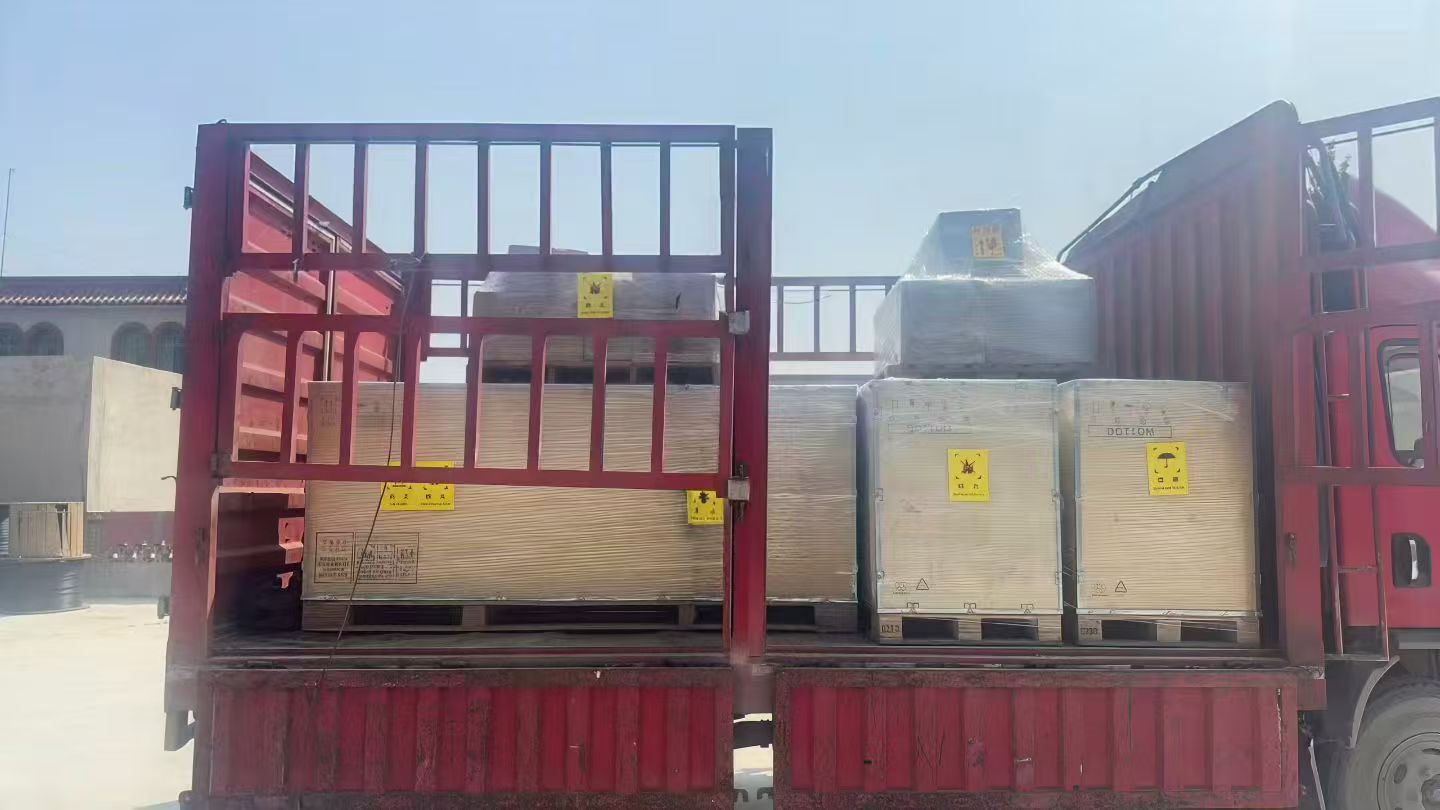
ZEJIUHENG Trade supplies telecom spare parts from Baoding, China, one of the active telecom spare parts trading hubs in China. We mainly support operators, maintenance contractors, system integrators, repair companies and telecom traders.
For transmission equipment, we can help check:
- Huawei OSN spare parts
- Huawei PTN spare parts
- DWDM equipment and boards
- OLT, OSN, PTN and transmission modules
- Router and switch boards
- SFP and optical modules
- Power modules and fan modules
- Used tested and refurbished units
- Discontinued and hard-to-find PN codes
If you are not sure whether your required item is OSN, PTN, DWDM or another transmission part, you can send us the model number, PN code, label photo, quantity and condition requirement. Our team will help check availability, price, lead time, testing possibility and warranty.
FAQ
What is the difference between OSN and PTN?
OSN is usually related to optical transport platforms, while PTN is related to packet transport networks. OSN is often used for optical transmission, SDH, OTN or WDM scenarios. PTN is mainly used for packet-based services such as Ethernet and mobile backhaul.
Is DWDM a device or a technology?
DWDM is a technology that uses multiple optical wavelengths over the same fiber. In actual networks, DWDM may be implemented through transponders, muxponders, optical amplifiers, WDM boards, ROADM boards and optical modules.
Can used OSN or PTN boards work in a live network?
Yes, if the board model, PN code, hardware version, software version and service configuration match the live network. Testing before shipment is strongly recommended.
Why do buyers need to provide PN codes?
PN codes help suppliers identify the exact part. Telecom equipment has many similar models, and one wrong code may result in an incompatible board.
What information should I send for a quotation?
Please send model number, PN code, quantity, condition requirement, photos if available, software requirement, delivery deadline and warranty expectation.
Conclusion
OSN, PTN and DWDM are all important in telecom transmission networks, but they are not the same.
OSN is usually used for optical transport platforms. PTN is used for packet transport services. DWDM increases fiber capacity by carrying multiple wavelengths over the same fiber.
For telecom spare parts buyers, the safest way to purchase transmission equipment is to confirm the exact PN code, model, board type, interface, optical module, software version, condition, test status and warranty before shipment.
If you need OSN, PTN, DWDM or other telecom transmission spare parts, send us your PN code or model number. We will help check availability and provide a practical sourcing solution.