
In the telecom spare-parts business, finding a product that looks similar is not enough. The exact model, hardware configuration, version, interfaces, boards and software compatibility must all be verified before an order is confirmed.
A recent sourcing case involving a Huawei MA5633-XB10 reminded us just how important this verification process is.
Our technical review prevented a long-term customer from purchasing the wrong Huawei equipment and potentially suffering a significant financial loss.
A Customer Urgently Needed 10 units Huawei MA5633-XB10
One of our long-term customers urgently needed 10 units Huawei MA5633-XB10.
We searched through our supplier network for a considerable amount of time, but suitable stock was extremely difficult to locate. Because the requirement was urgent, the customer also contacted another supplier in the market.
 That supplier claimed that the requested equipment was available. They provided:
- A quotation
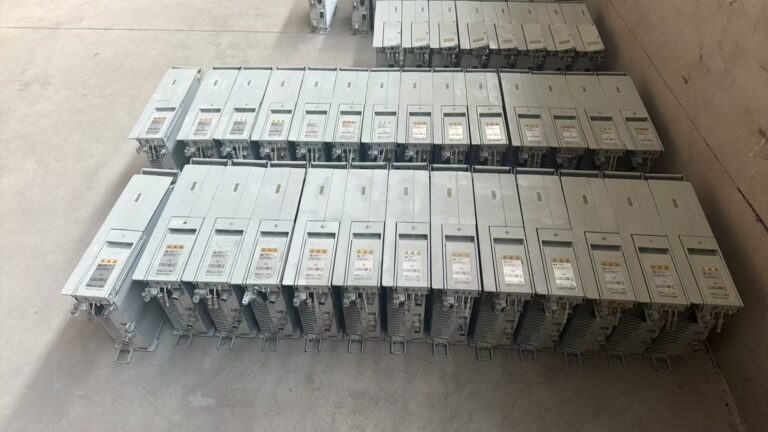
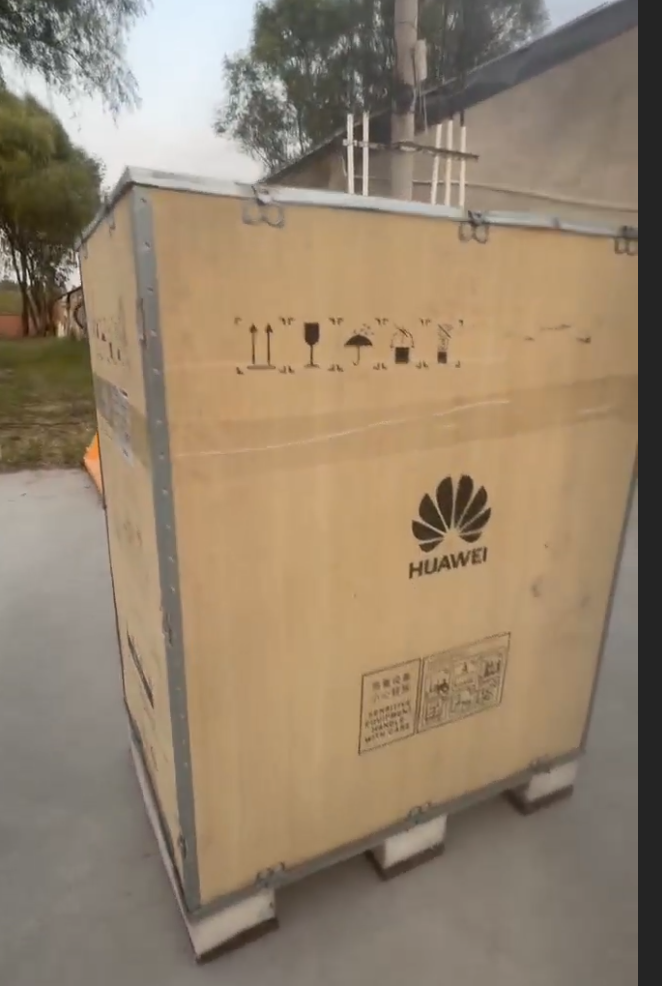
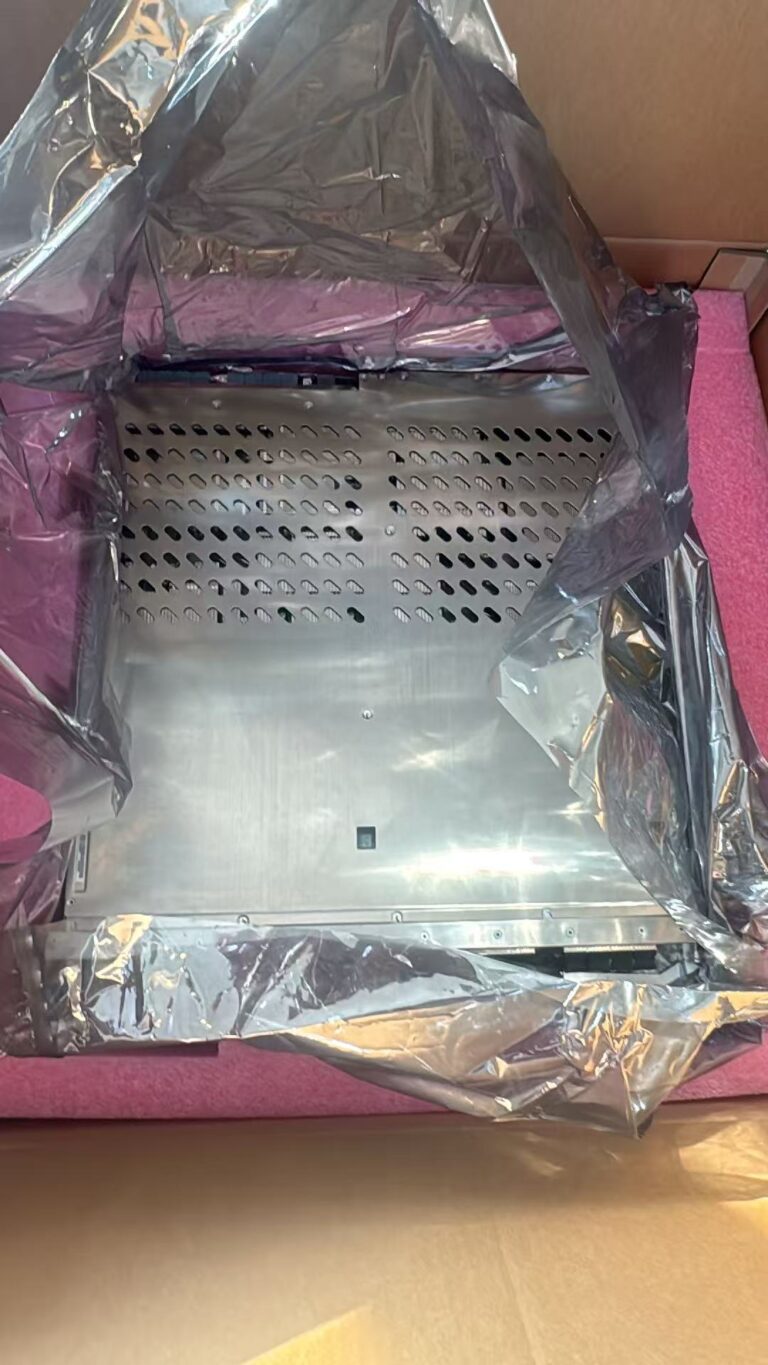
- Product photographs
- Availability information
- A proposed delivery arrangement
Naturally, the customer was pleased to hear that the equipment had finally been found. Since we had an established relationship, the customer asked us to help handle the purchase.
Before proceeding, however, we asked our technical team to inspect the photographs carefully.
The Equipment in the Photographs Was Not an MA5633-XB10
After checking the visible identifiers and hardware appearance, our technicians discovered an important problem:
The equipment shown in the photographs was identified only as an MA5633. It was not sufficiently verified as the specific MA5633-XB10 required by the customer.
This distinction is important.
MA5633 refers to a product family, while MA5633-XB10 identifies a specific model or hardware variant within that family. Huawei’s official support resources list separate hardware documentation for models such as MA5633-XB10, MA5633-XD20, MA5633-DD20, and other MA5633 configurations.
Therefore, the general product name “MA5633” should not automatically be treated as confirmation that the equipment is an “MA5633-XB10.”
Reference: Huawei Optical Access Network Documentation
Why Similar Product Names Can Create Serious Purchasing Risks
In telecom equipment procurement, a small difference in the model suffix can represent a significant difference in the actual product.
Potential differences may include:
- Hardware configuration
- Chassis or enclosure design
- Supported boards and modules
- Interface layout
- Cable outlet direction
- Power requirements
- Software or firmware compatibility
- Network deployment scenario
- Capacity and service support
- Installation requirements
 A product may carry the same main family name and still be unsuitable for the customer’s existing network.
If the wrong equipment is purchased, the buyer may face:
- Installation failure
- Hardware incompatibility
- Unsupported boards or interfaces
- Additional modification costs
- Project delays
- Return shipping expenses
- Customs and logistics losses
- Disputes with the end customer
For international orders, returning incorrect telecom equipment can be particularly expensive and time-consuming.

Our Insight: Availability Must Never Replace Verification
In our experience sourcing Huawei, ZTE and other telecom spare parts, urgent requirements create the highest purchasing risk.
When a product is difficult to find, both the buyer and supplier naturally want to believe that newly discovered stock is correct. A photograph showing the same product family may appear reassuring, especially when the general model name looks similar.
However, urgency must never replace technical verification.
Our principle is simple:
We would rather tell a customer that the correct product is temporarily unavailable than supply a similar-looking model that may not work in the customer’s network.
Not every supplier who offers the wrong model is necessarily acting dishonestly. Sometimes the problem results from insufficient product knowledge, incomplete labels, unclear photographs or confusion between a product family and a specific hardware variant.
Nevertheless, the result for the buyer can be the same: the wrong equipment arrives and cannot be used.

How We Verify Huawei Telecom Equipment Before Purchasing
Before confirming an order for Huawei telecom spare parts, we recommend checking several layers of information.
1. Verify the Complete Model Number
Do not verify only the general product family.
For example:
- “MA5633” is not sufficiently specific.
- “MA5633-XB10” is a specific requirement.
Every letter, number, suffix and hardware identifier should be checked.
2. Request Clear Photographs of the Product Labels
Ask for close-up photographs showing:
- Full model number
- Huawei part number
- Product name
- Serial number
- Hardware version
- Manufacturing label
- Front and rear panels
- Installed boards and modules
The photographs should be clear enough to read. A distant warehouse photograph is not sufficient for technical verification.
3. Compare the Photographs With Official Documentation
Where documentation is available, compare the offered equipment with the manufacturer’s hardware description.
Check:
- Physical appearance
- Port arrangement
- Slot configuration
- Power interfaces
- Cable outlet design
- Supported components
- Installation method
The Huawei support portal separately identifies the MA5633-XB10 and other MA5633 variants, reinforcing the need to verify the exact configuration rather than relying on the family name alone.
4. Confirm the Installed Boards and Accessories
Even when the chassis model is correct, the internal configuration may be different.
The buyer should confirm whether the offer includes:
- Required service boards
- Control boards
- Power modules
- Fan modules
- Cables
- Mounting accessories
- Software or licenses, where applicable
“Complete equipment” can mean different things to different suppliers, so the included configuration should be written clearly in the quotation or proforma invoice.

5. Perform Functional Testing
For used or refurbished telecom equipment, photographs alone cannot confirm functionality.
Testing should cover the relevant items, such as:
- Power-on status
- Alarm status
- Board recognition
- Port condition
- Basic service functionality
- Software or firmware information
Where possible, buyers should request a test report, serial-number list and test video before shipment.
What Buyers Should Send When Requesting an MA5633-XB10
To reduce sourcing time and avoid misunderstandings, buyers should provide as much technical information as possible, including:
- Exact model: MA5633-XB10
- Huawei part number, if available
- Required hardware version
- Required boards and modules
- Software or firmware requirements
- Photographs of the existing equipment
- Quantity
- Required condition: new, used or refurbished
- Destination country
- Required delivery date
The more complete the requirement is, the easier it is for an experienced supplier to reject incorrect stock before money is paid.
Experience Is Not Just About Finding Stock
Many people judge a telecom spare-parts supplier only by whether the supplier can find the requested item.
We believe a reliable supplier has a broader responsibility:
- Understand the customer’s exact requirement.
- Verify whether the offered product genuinely matches it.
- Explain any uncertainty before accepting payment.
- Refuse unsuitable stock, even when an immediate sale is possible.
- Provide photographs, serial numbers and testing evidence.
- Protect the customer from avoidable technical and financial risks.
In this case, our technicians’ careful review identified the model discrepancy before the purchase was completed. It prevented the customer from buying equipment that had not been verified as the required MA5633-XB10.
For us, this is an essential part of professional telecom equipment sourcing.
Alison@enkentrade.com
Final Thoughts
The difference between Huawei MA5633 and Huawei MA5633-XB10 may look small in writing, but it can be critical in an actual network project.
A quotation and several product photographs do not automatically prove that the correct model has been found. Before purchasing, buyers should verify the complete product label, hardware version, installed configuration and functionality.
If you are sourcing a difficult-to-find Huawei, ZTE or other telecom spare part, send us the exact model, part number, required configuration and photographs of the existing equipment.
We will check the market availability and, more importantly, help verify whether the offered product is truly the one your project requires.
https://zejiuhengtrade.com/
https://enkentrade.com/
https://zejiuhengtrade.com/products/

Frequently Asked Questions
Is Huawei MA5633 the same as MA5633-XB10?
Not necessarily. MA5633 is a product-family designation, while MA5633-XB10 identifies a specific model or hardware variant. The complete model and configuration must be verified before purchase.
Can photographs confirm that the equipment is an MA5633-XB10?
Photographs can support verification only if they clearly show the complete product label, model number, hardware version, ports and installed configuration. General appearance alone is not sufficient.
What information should I request from an MA5633-XB10 supplier?
Request clear label photographs, Huawei part numbers, serial numbers, hardware versions, configuration details, a test report, a test video and a complete list of included boards and accessories.
Can different MA5633 versions be used interchangeably?
They should not be assumed to be interchangeable. Compatibility depends on the hardware configuration, supported services, boards, interfaces, software and the customer’s network requirements.
Do you supply Huawei MA5633-XB10 equipment?
Availability varies because this is a specialized telecom product. Buyers can send the exact model, part number, required configuration and quantity for verification and sourcing.