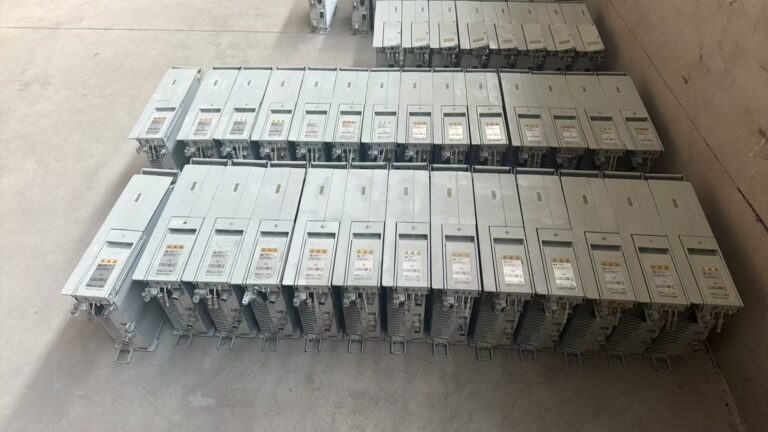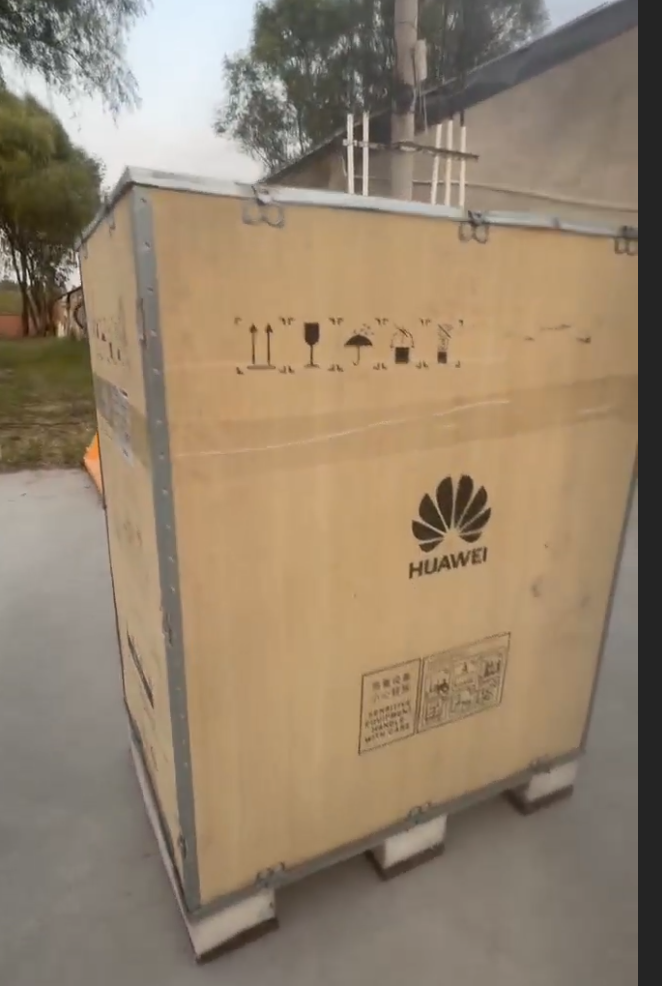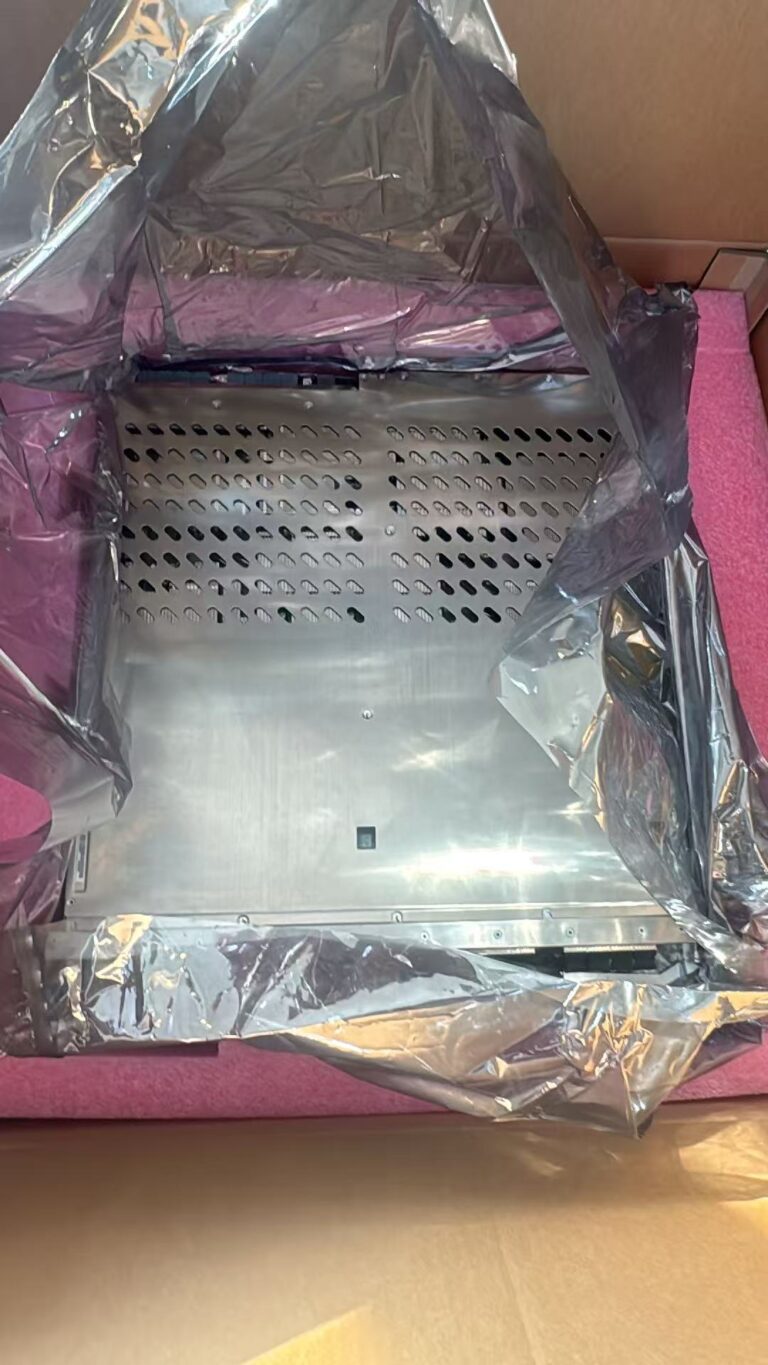
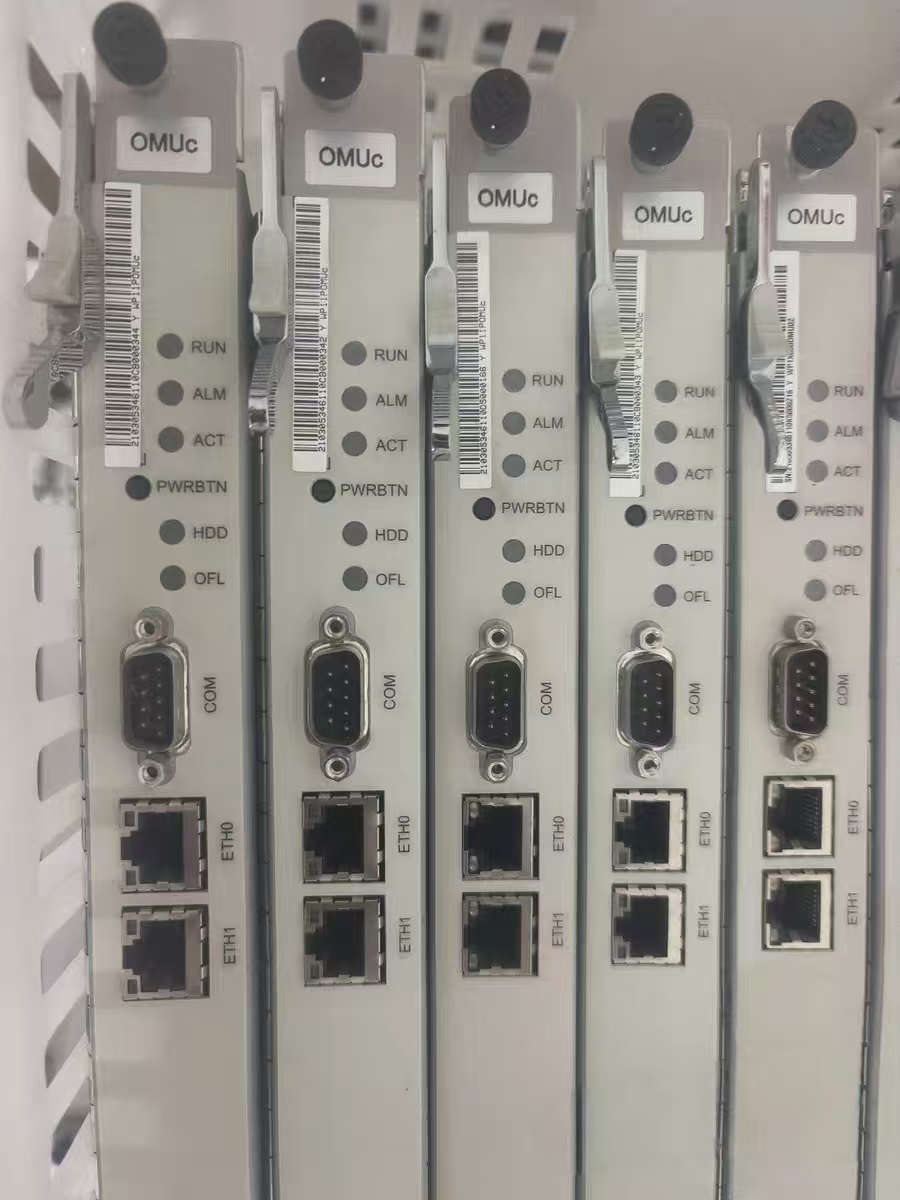

A vague HUAWEI DWDM request can waste time, raise cost, and still end with the wrong board in the wrong network.
I treat a HUAWEI DWDM purchase as a risk check, not only a price search. I first confirm the exact model, PN code, equipment series, condition, lead time, testing option, warranty, and originality before I quote or arrange supply.
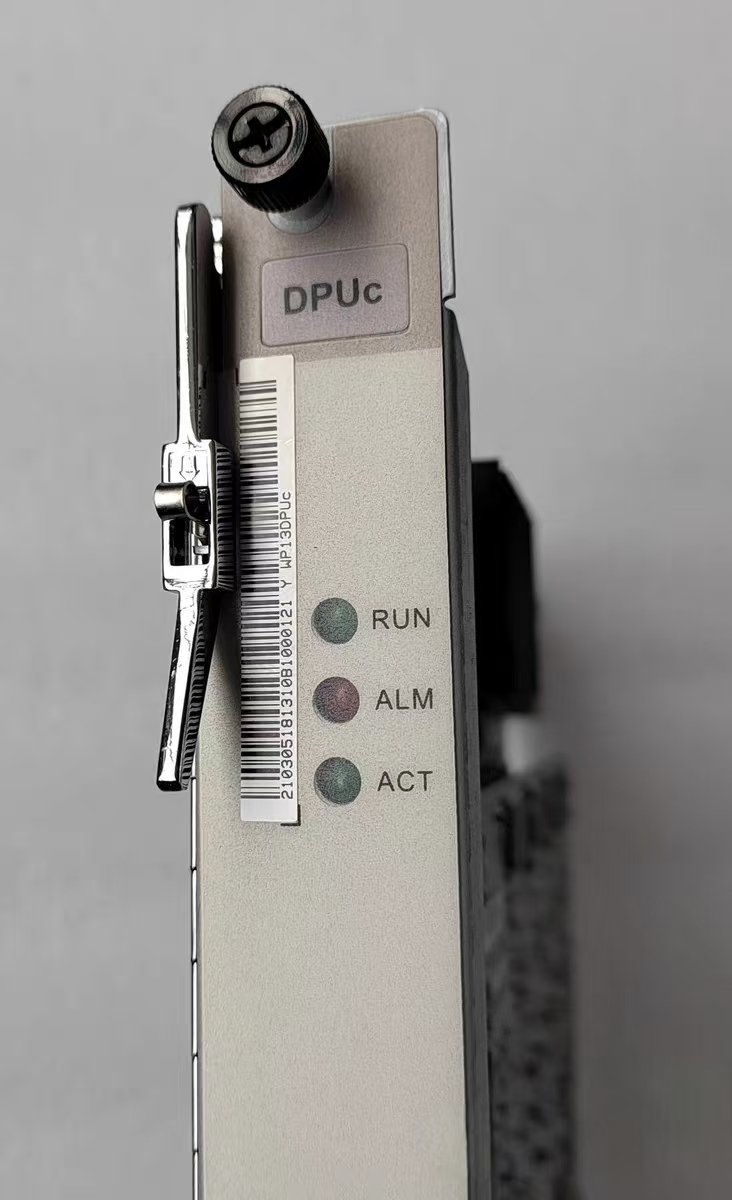
When a customer sends me “need HUAWEI DWDM,” I know the real work has not started yet. I need to narrow the request. I need to know what is installed now. I need to know whether the customer needs a board, module, frame, optical part, power unit, fan unit, or other transmission spare part. I also need to know how urgent the case is. One wrong assumption can turn a normal purchase into a failed maintenance job.
Why Is “HUAWEI DWDM” Too Broad For A Real Quotation?
A broad search term looks simple, but it hides the real item. I cannot quote safely when I only know the brand and product family.
A HUAWEI DWDM inquiry needs an exact model or PN code before I can check price, stock, condition, delivery time, and testing. The same brand does not mean the same part. The same system may also use many different boards and modules.
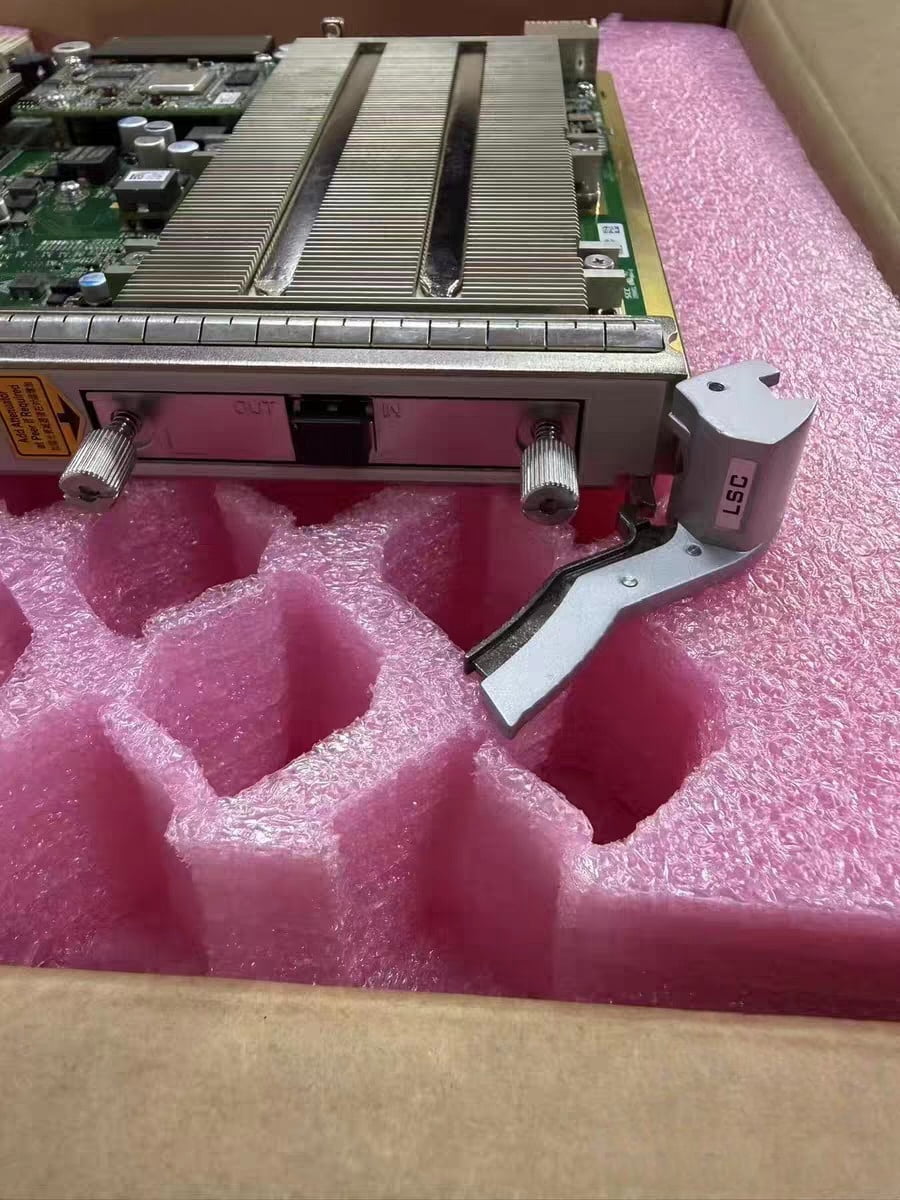
I often receive messages that only say “Huawei DWDM needed” or “send price for Huawei transmission equipment.” I understand why buyers write this way. They may be collecting prices. They may not have the failed part in hand. They may only have a project list from an engineer. But I cannot make a reliable offer from that text alone.
In my daily work, the PN code is the fastest way to identify the item. A model name can help. A photo of the label can also help. A board name can help when the PN is not clear. I usually ask for these details before I check the market.
| Inquiry detail | Why I ask for it | Risk if I do not ask |
|---|---|---|
| Model name | I use it to identify the main spare part | I may quote a similar but wrong item |
| PN code | I use it to match the exact product | I may miss a version difference |
| Equipment series | I use it to check system context | The part may not fit the current network |
| Quantity | I use it to confirm supply depth | One piece may be easy, ten pieces may be hard |
| Destination | I use it to estimate freight and customs risk | Delivery cost and time may be wrong |
I do not see a HUAWEI DWDM request as one product. I see it as a group of possible parts. It may be related to OSN equipment. It may be a board. It may be an optical module. It may be a passive component. It may be a cabinet-level or frame-level demand. I need the buyer to reduce the unknowns, then I can reduce the buying risk.
How Do I Confirm Compatibility Before Buying Huawei DWDM Spare Parts?
A Huawei logo is not enough. I need to confirm the installed series, chassis, slot, board type, and module requirement before I treat a spare part as usable.
Compatibility starts from the current network. I ask the buyer to confirm the equipment series, frame, slot, board name, PN code, software or version limits if needed, and the real replacement purpose before purchase.
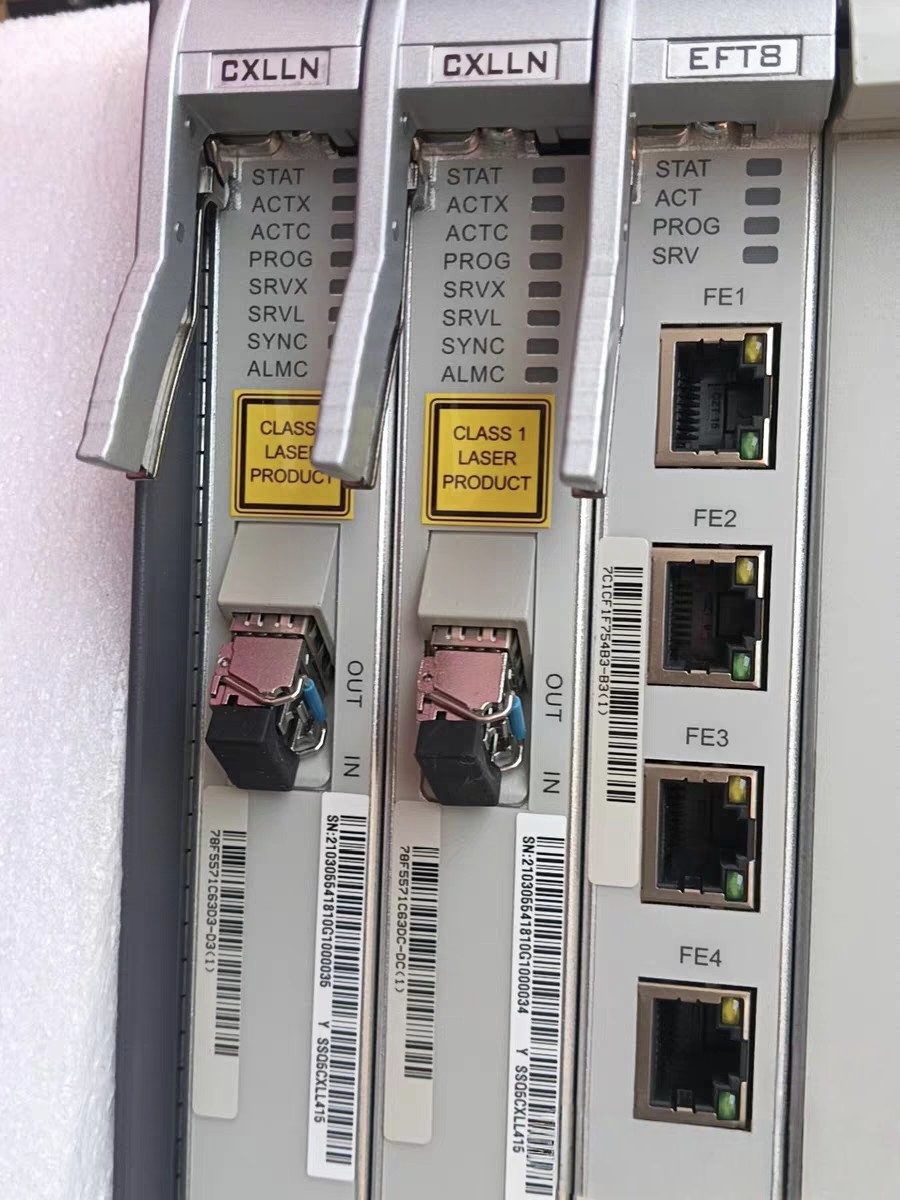
I am a spare parts supplier, not the engineer who designed the customer’s DWDM network. So I do not pretend that I can replace the customer’s internal engineering check. My role is to help the buyer avoid common purchasing mistakes. I check the model. I check the PN. I check the condition. I check supply options. I also ask questions when the request looks unclear.
Many HUAWEI transmission spare parts look similar in a photo. Some boards have close names. Some modules have close labels. Some customers only know the failed slot, but they do not know the full PN. In these cases, I ask for more proof. A nameplate photo is useful. A photo of the old board is useful. A maintenance list is useful. A screenshot from the system can also help the customer’s engineer confirm the demand.
| Compatibility point | What I usually ask | Who should confirm it |
|---|---|---|
| Existing equipment series | “Which Huawei transmission series is installed?” | Buyer or network engineer |
| Failed part label | “Can you send the PN label photo?” | Buyer or site team |
| Slot or position | “Where will this part be installed?” | Maintenance engineer |
| Replacement reason | “Is it for failure, expansion, or stock?” | Buyer and technical team |
| Version concern | “Do you have a version limit?” | Network engineer |
I have learned that same-brand purchasing can still fail. The buyer may buy a Huawei part, but the part may not be the correct one for the installed frame. The buyer may buy a board with the right name, but the PN may be different. The buyer may buy a used unit, but the project may require new surplus or tested refurbished stock. This is why I slow down the quotation process when the details are missing. A slower first check can save a much longer delay later.
Why Can Some Huawei DWDM Models Have A Long Lead Time?
Some Huawei DWDM spare parts are easy to ask about but hard to find. I cannot promise fast delivery until I confirm the exact model and real supply source.
Rare Huawei DWDM parts may need wider market checking, overseas sourcing, or dismantled equipment supply. Lead time can change a lot by model, condition, quantity, and testing need. A quick stock answer is not always possible.
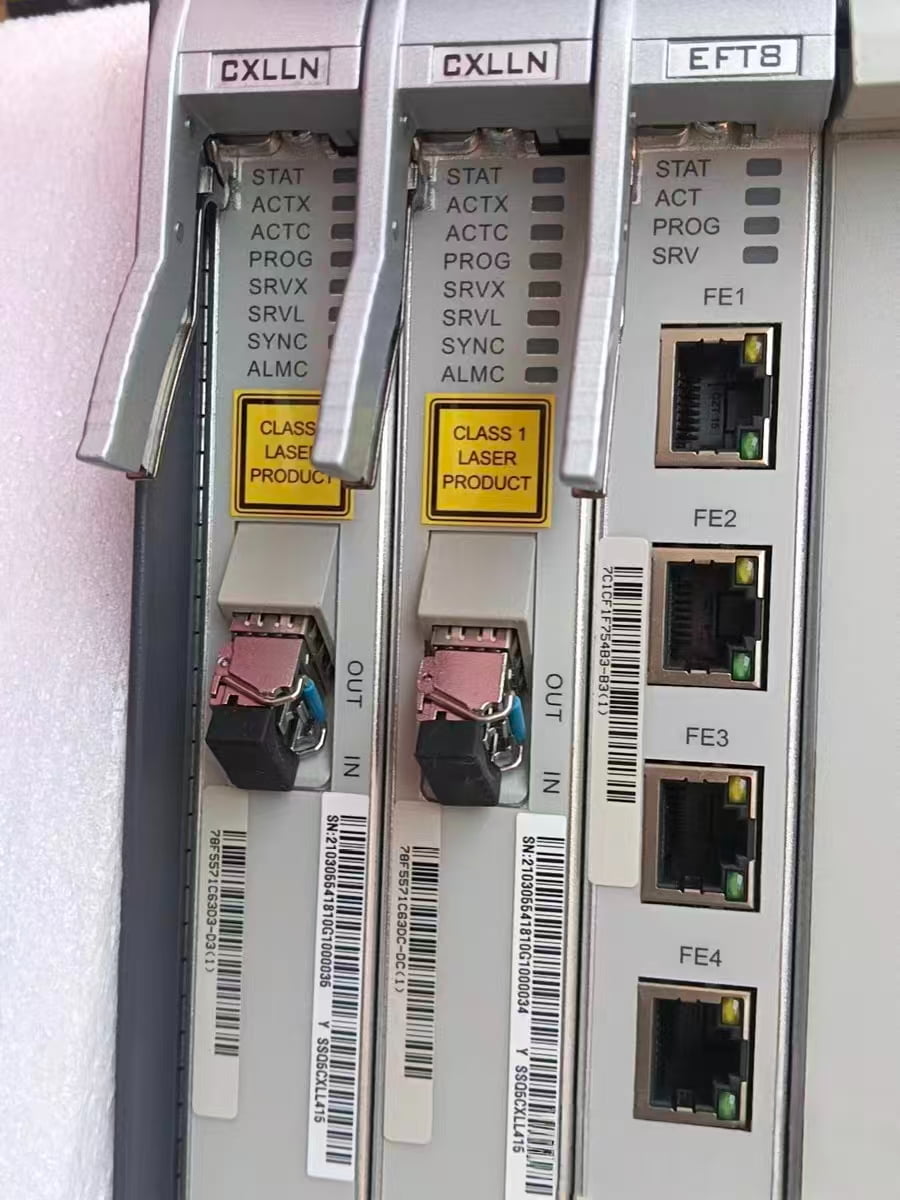
I once handled a Huawei DWDM inquiry for a Russian customer. Most of the discussion looked normal at first. The customer had a clear demand. We checked the list. We matched the models. We discussed condition and delivery. But one rare model became the difficult part of the order. It was not something I could solve with a simple local stock check.
I checked my usual channels first. I checked with local sources in the Huawei transmission spare parts market. I checked whether the item could be supplied from dismantled equipment. I also checked whether any reliable channel had new surplus or tested used stock. The result was not fast. We had to source the rare model internationally. The lead time became much longer than a normal delivery case.
| Supply situation | Typical result | Buyer risk |
|---|---|---|
| Common model in stock | Fast quotation and delivery may be possible | Low risk if PN is confirmed |
| Used stock available | Price may be better | Testing and condition must be checked |
| Dismantled part available | Supply may depend on equipment removal | Delivery time may move |
| Rare model not local | Overseas sourcing may be needed | Lead time may be long |
| No test platform | Visual supply may be possible only | Warranty terms need clear wording |
This case taught me a simple lesson. A buyer may think the main question is price. But for rare Huawei DWDM parts, the first question is whether the part can be found in a trustworthy way. The second question is whether the condition matches the project. The third question is whether the delivery date still fits the maintenance plan. Price is important, but price without real supply is only a number on a screen.
How Should I Compare New Surplus, Used, Dismantled, Refurbished, And Untested Parts?
A low price can look attractive, but it can hide a condition problem. I need to know what the customer accepts before I compare offers.
I separate Huawei DWDM spare parts by condition: new surplus, used, dismantled, refurbished, tested, and untested. Each condition has a different price, risk level, delivery chance, and warranty discussion.
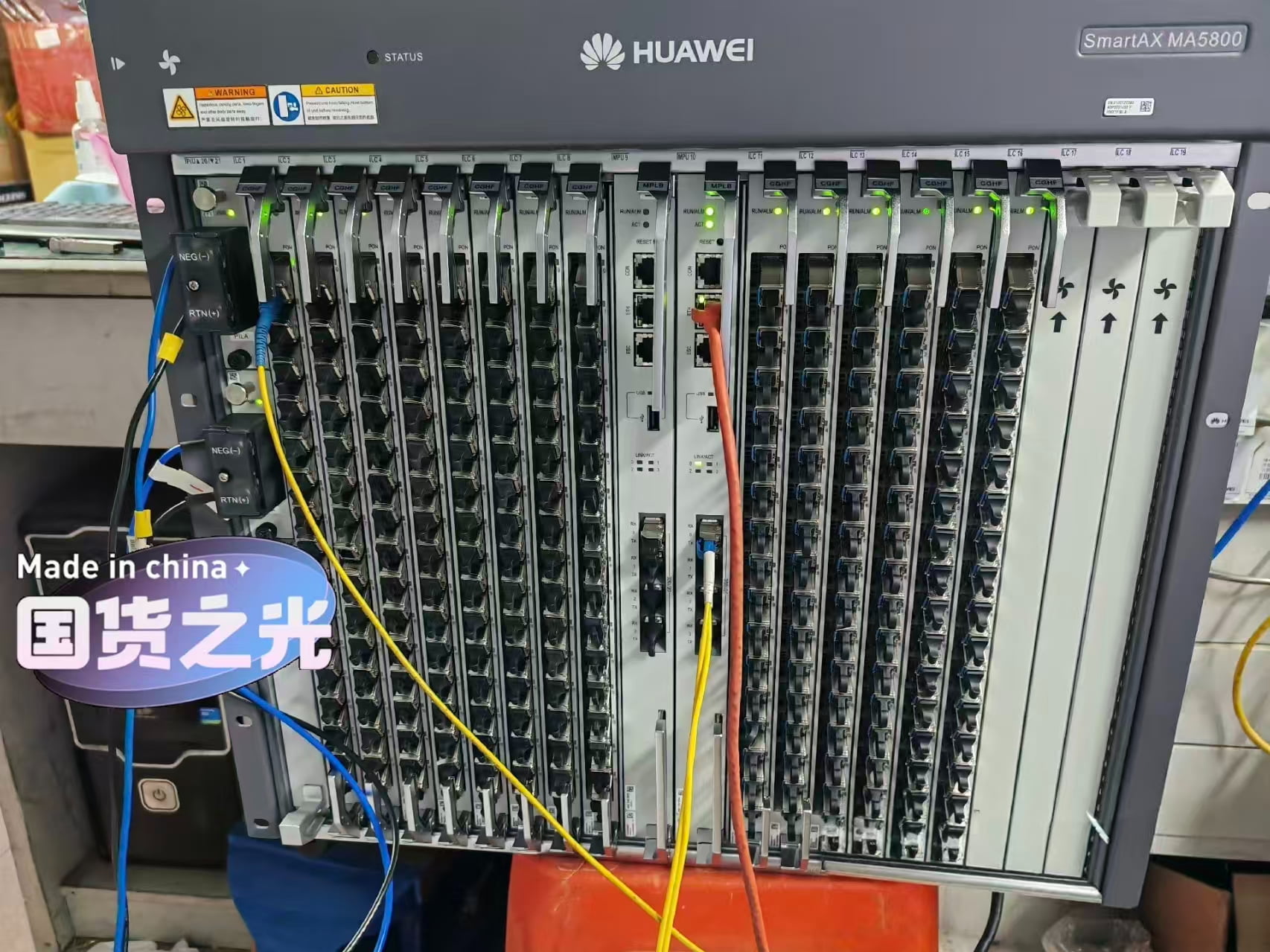
In the secondary telecom spare parts market, condition is not a small detail. It is one of the main reasons why two prices for the same PN can be very different. A new surplus item may come from unused inventory. A used item may come from a working network. A dismantled item may come from removed equipment. A refurbished item may have been repaired, cleaned, or tested. An untested item may only have a physical inspection.
I always try to make the condition clear in the quotation. I do not want the buyer to compare a tested used part with an untested dismantled part and think both offers are the same. They are not the same. The price gap has a reason.
| Condition | What it usually means | Main benefit | Main risk |
|---|---|---|---|
| New surplus | Unused stock from inventory | Better appearance and lower use history | Higher price and limited quantity |
| Used | Removed from service or stock | Lower price and faster supply may be possible | Use history may be unknown |
| Dismantled | Taken from equipment or site | Good option for discontinued parts | Testing may depend on platform |
| Refurbished | Cleaned, repaired, or restored | Better than raw used in some cases | Quality depends on repair process |
| Untested | Not powered or fully checked | Lower cost may be possible | Higher failure risk |
I also ask about warranty expectations. Some customers only need a low-cost emergency spare. Some customers need test proof, serial number photos, and a clear warranty term. Some project contractors need better appearance and packaging because their end customer will inspect the goods. I prefer to know this before I quote. If I know the real use case, I can offer the right balance between price and risk.
What Information Should I Send For A Fast And Safe Huawei DWDM Inquiry?
An incomplete inquiry slows everything down. It also makes the quotation less useful. I can respond faster when the buyer sends the right details at the start.
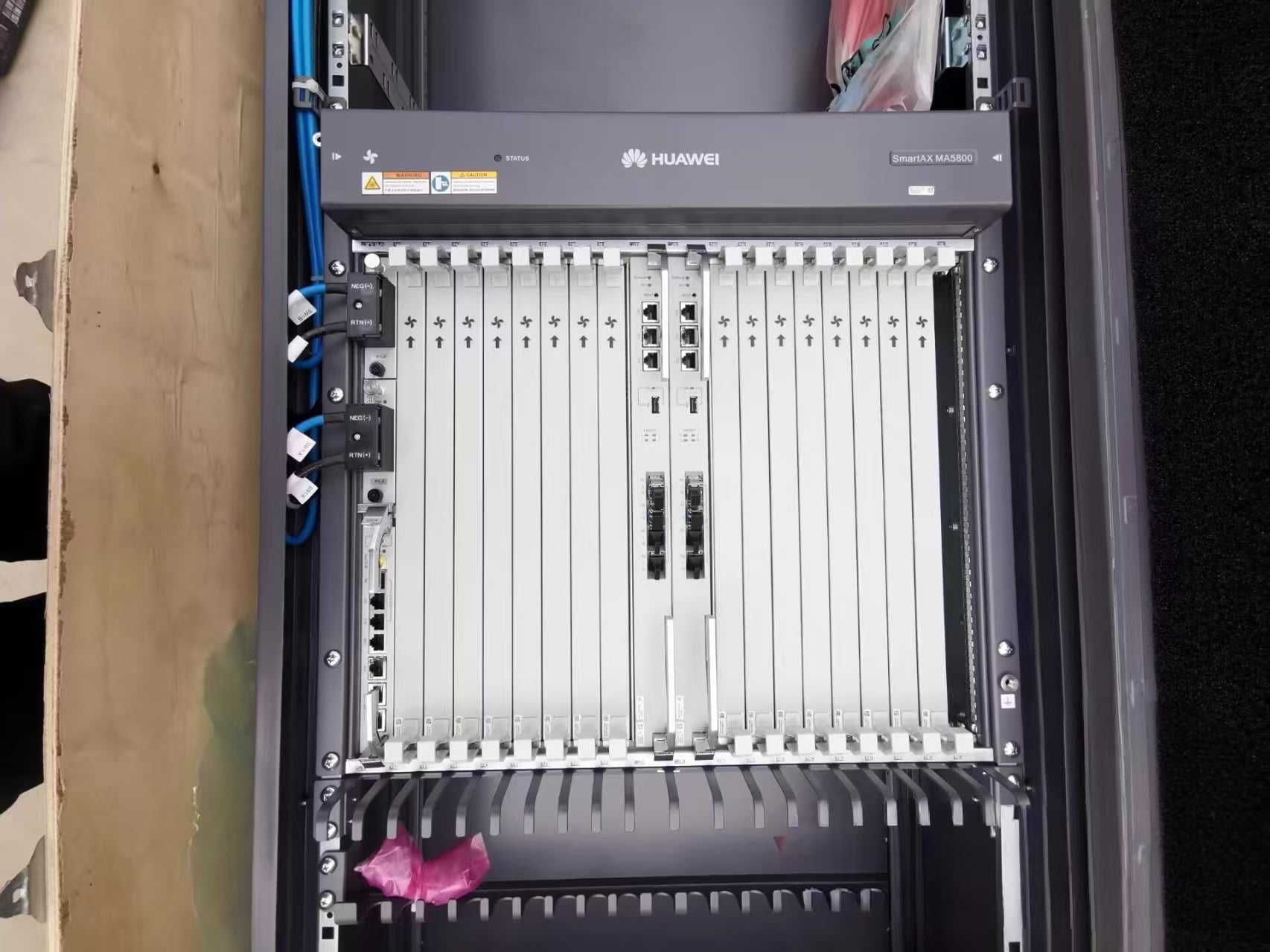
A useful Huawei DWDM inquiry should include model or PN, equipment series, quantity, destination, required lead time, preferred condition, warranty need, and whether photos, serial numbers, test proof, or supply evidence are required.
 )
)
I do not need a long technical document for every inquiry. I only need the key facts that affect supply and risk. A clear PN code can save several rounds of messages. A destination can help me check freight time. A required lead time can tell me whether overseas sourcing is realistic. A condition preference can stop price confusion. A warranty request can help me choose the right supply channel.
When the customer is a distributor, I also ask whether their end customer needs photos before payment. When the customer is a maintenance contractor, I ask whether the part is needed for an urgent outage. When the customer is a repair company, I ask whether untested or faulty units are acceptable. Different customer types do not buy the same way.
| Information to send | Example | Why it matters |
|---|---|---|
| Model or PN | “PN: xxxxx” or label photo | I can identify the exact part |
| Equipment series | Huawei transmission system name | I can understand the use context |
| Quantity | 1 pc, 2 pcs, 10 pcs | I can check real supply depth |
| Destination | Russia, UAE, Brazil, etc. | I can estimate freight time and cost |
| Required lead time | “Need in 7 days” | I can judge if the case is possible |
| Condition | New surplus, used, refurbished | I can quote the right price level |
| Proof needed | Photos, SN, test video, report | I can prepare the right evidence |
I like short and clear inquiries. For example, a good message can say: “We need Huawei DWDM spare part, PN xxx, 2 pcs, used tested acceptable, delivery to Moscow, need photos and serial numbers, target lead time 10 days.” With this message, I can work much faster. I can check local stock. I can check other channels. I can tell the customer if the lead time is realistic. I can also warn the customer if the model is rare.
Why Is The Lowest Price Not Always The Best Huawei DWDM Buying Decision?
The lowest price can become expensive when the part is wrong, untested, late, or not original. I always compare price with the full supply risk.
A good Huawei DWDM offer should balance exact PN match, condition, originality, test possibility, lead time, warranty, and supplier communication. Price matters, but it only makes sense after these points are clear.
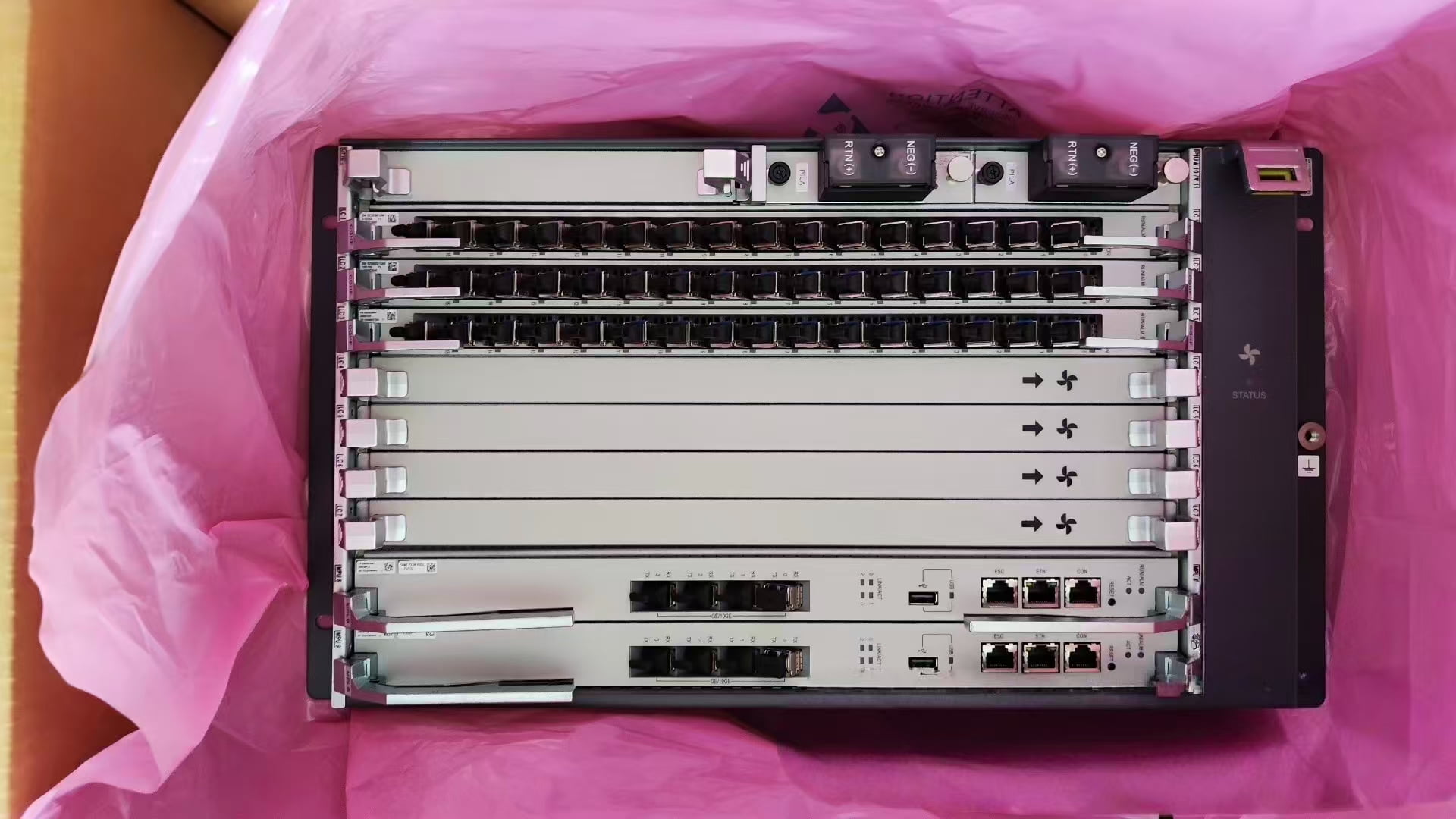
I know many buyers must control budget. Operators need to maintain old networks without buying too much new equipment. Contractors need to finish projects within cost limits. Distributors need room for resale. Repair companies need parts that make repair work profitable. I understand this pressure because I discuss price every day.
But I also see the other side. A buyer may choose the cheapest offer and then find that the PN is not exact. A buyer may accept an untested unit without knowing the risk. A buyer may assume fast delivery, but the item is not really in stock. A buyer may ignore warranty wording and then face trouble after installation. These problems cost more than the small price saving.
| Buying factor | Good question to ask | Why I care |
|---|---|---|
| Exact match | “Is the PN the same?” | Wrong PN can stop installation |
| Originality | “Is it original Huawei?” | Non-original goods can create risk |
| Condition | “Is it used, refurbished, or new surplus?” | Price depends on condition |
| Testing | “Can it be tested before shipment?” | Test proof can reduce failure risk |
| Lead time | “Is it in hand or being sourced?” | Delivery promise must be real |
| Warranty | “What happens if it fails?” | After-sales terms must be clear |
I do not want to sell only by saying “cheap.” That is not enough for Huawei DWDM spare parts. I prefer to say what I can confirm and what I cannot confirm yet. If I need two days to check a rare model, I say that. If testing is not possible due to lack of platform, I say that. If the part is dismantled and not new, I say that. This direct communication helps both sides make a safer decision.
Conclusion
I buy and sell HUAWEI DWDM parts by exact match, real condition, confirmed supply, clear lead time, and fair risk control, not by price alone.