

In the secondary telecom spare parts market, lead time is not always as simple as checking stock and arranging shipment.
For new factory goods, delivery time is usually easier to control. But for used and refurbished telecom equipment, especially Huawei, ZTE, Ericsson, Nokia and other network spare parts, the real lead time depends on market availability, quantity, condition, testing requirements and logistics arrangement.
As a telecom spare parts supplier based in China, we often face this situation in daily sourcing work: at the beginning of a project, we may estimate a lead time of around one month. However, during actual collection, the delivery schedule may become longer because of market shortage, price changes, failed inspection, incomplete accessories or customs and shipping requirements.
This article explains how lead time really works in the secondary telecom spare parts market, and what buyers should know before confirming an order.
Why Lead Time Is Different in the Secondary Telecom Market
The secondary telecom market is different from normal factory production.
Many used telecom spare parts come from network upgrades, project surplus materials, site dismantling, warehouse clearance or operator replacement projects. These goods are not always available in one fixed warehouse.
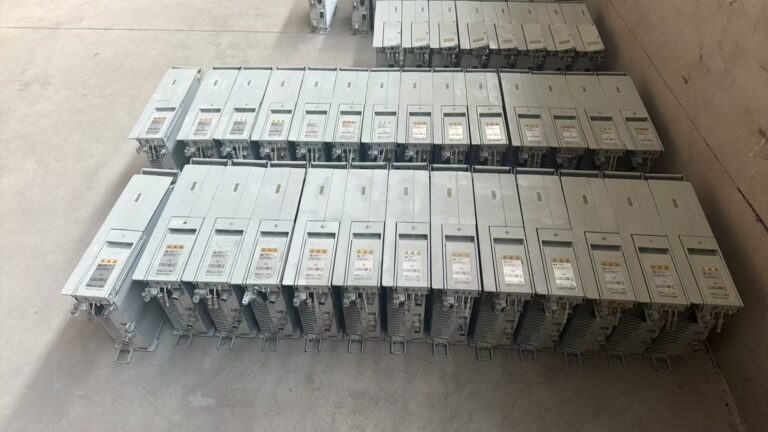
For example, if a buyer needs only 2 or 5 pieces of one common board, it may be possible to ship quickly. But if the buyer needs 100, 300 or 500 units of RRU, BBU boards, AAU, OSN boards or DWDM modules, the supplier may need to collect the quantity from different market sources.
This is why lead time is often affected by actual market movement.

Common Reasons Why Lead Time Becomes Longer
1. The Quantity Is Large
Large quantity orders are the most common reason for longer lead time.
In many cases, no single supplier has the full quantity ready in stock. The goods may need to be collected step by step from different sources.
For example, if a buyer asks for 400 units of one Huawei RRU model, it does not always mean that 400 units are sitting in one warehouse. Maybe the first 50 units can be found quickly, another 80 units are available from a different source, and the remaining quantity needs more time.
This is very normal in the secondary telecom spare parts market.
2. Market Stock Becomes Less During Collection
Another important point is that the more goods are collected, the fewer goods remain in the market.
At the beginning, the market price may look stable. But when multiple suppliers start searching for the same model, the available quantity becomes smaller. Then some stock holders may raise their prices.
This creates a difficult situation: the supplier may have signed a contract based on the earlier market price, but during actual collection, the final market price becomes much higher than the original quotation.
For this reason, long lead time and price validity should always be discussed clearly before order confirmation.
3. Some Units Fail Inspection
For used and refurbished telecom equipment, quantity is not the only issue. Quality also matters.
Before shipment, suppliers usually need to check:
- Model number
- Part number
- Serial label
- Physical condition
- Connector condition
- Power-on status
- Alarm status
- Accessories and mounting kits
- Packing condition
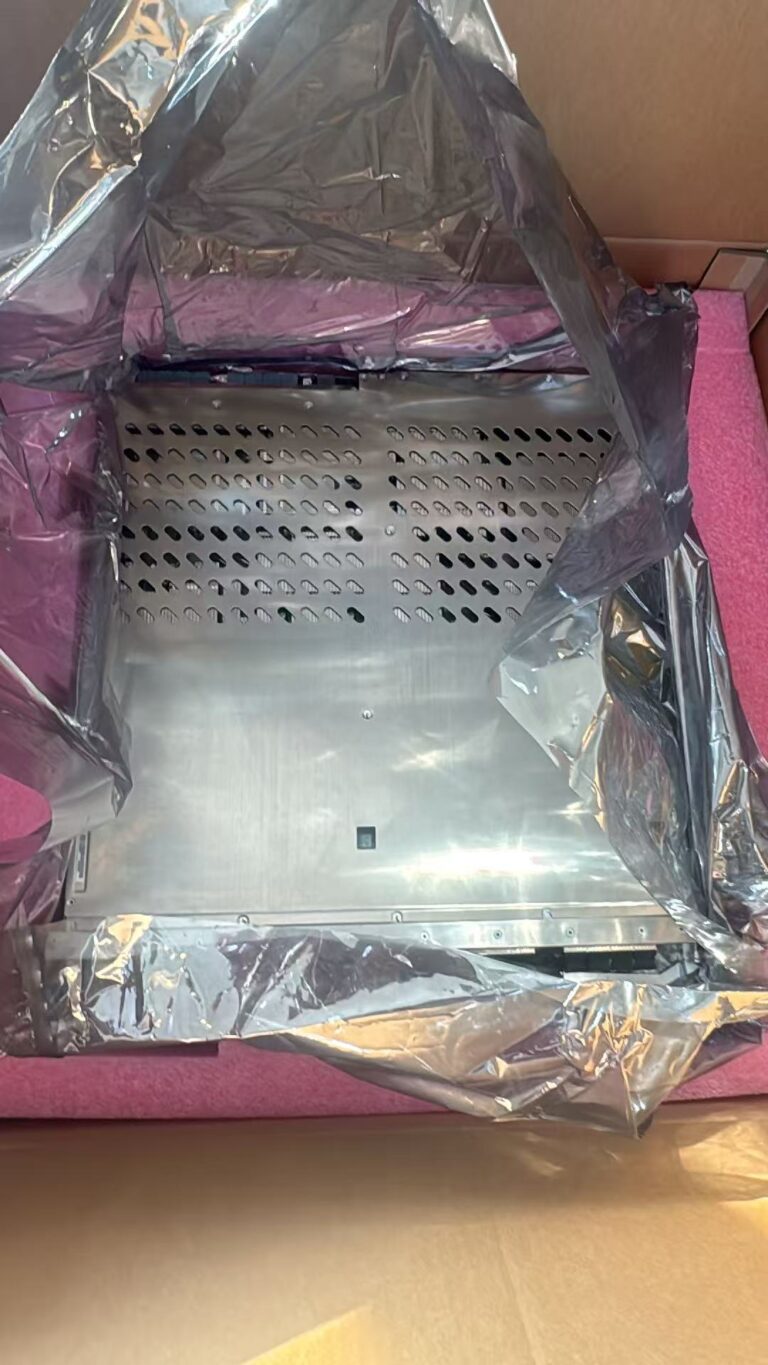
Sometimes the market may offer enough quantity, but not every unit is suitable for shipment. Some units may have damaged connectors, missing labels, corrosion, water damage, broken handles or failed power-on test.
Responsible suppliers should not ship unqualified units just to meet the fastest delivery time.

4. Accessories Are Not Always Included
For used RRU, AAU or telecom equipment, accessories are not always included.
For example, mounting kits, power connectors, grounding cables, clamps or special brackets may need to be purchased separately. This can also affect lead time.
Many buyers assume that used RRU will come with complete accessories. In reality, some used units are removed from sites without full installation kits. If the buyer requires complete kits, the supplier needs extra time to check and prepare them.
5. Testing and Documentation Take Time
For international orders, buyers may request:
- Serial label photos
- Boot test videos
- Packing photos
- Inspection report
- Serial number list
- Condition confirmation
- Third-party inspection
These steps are useful and necessary, especially for large quantity orders. But they also take time.
If the order includes many units, recording serial numbers, testing, photographing and preparing reports may require several extra working days.
6. Logistics and Customs Requirements
Shipping method also affects delivery time.
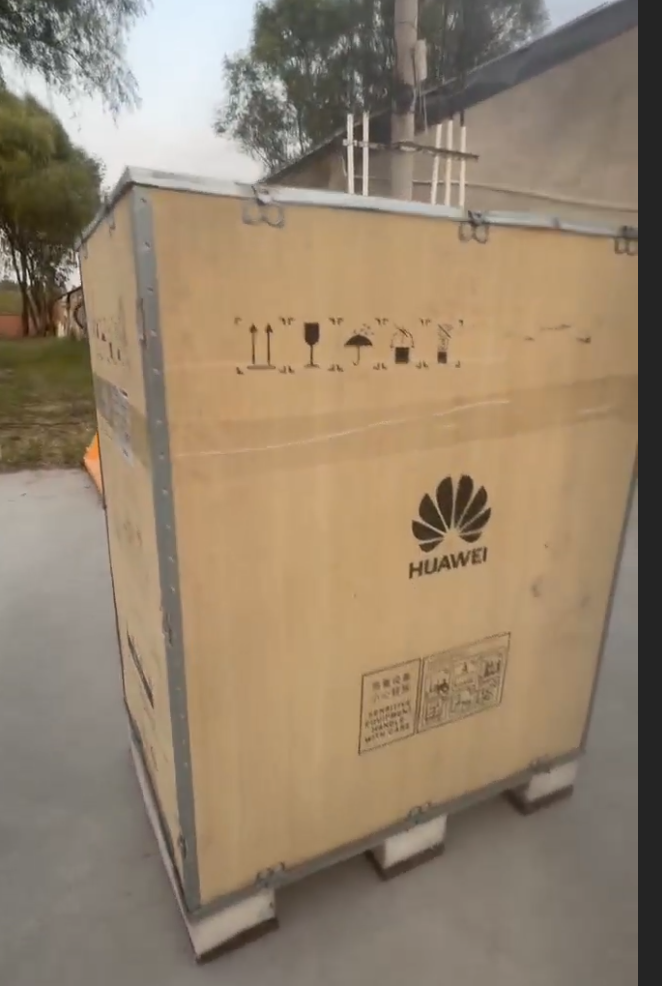
DHL, FedEx and UPS may be faster for small parcels, but for heavy telecom equipment, air freight or sea freight may be more suitable. Some telecom equipment is heavy, branded, sensitive or requires careful export packing.
Buyers should also consider import customs clearance in the destination country. Whether the shipment is sent by DHL or air freight, the buyer or the buyer’s customs clearance agent usually needs to handle import clearance and pay applicable duties and taxes.
Why a One-Month Lead Time May Become Longer
In many telecom spare parts projects, both buyer and supplier hope to move quickly. At the quotation stage, a supplier may estimate a lead time based on current market feedback.
However, the secondary market can change during the order process.
A one-month estimated lead time may become longer if:
- The required model becomes short in the market
- Other buyers are searching for the same goods
- Stock holders increase the price
- Some collected units fail inspection
- Accessories are missing
- The buyer requests third-party inspection
- Shipping documents or packing requirements are more complex
- Part of the quantity needs to be collected from another city or market
This does not always mean the supplier is delaying intentionally. In many cases, it is the natural result of secondary market sourcing.

Practical Advice for Buyers
Confirm Exact Model and PN Before Quotation
Do not only provide a general model name.
For telecom spare parts, buyers should provide the exact model, part number, frequency band, hardware version and required condition if available.
For Huawei RRU, for example, one model may have different PN numbers, frequency bands and accessory requirements. If this information is not clear, the sourcing process may become slower.
Accept Realistic Lead Time for Large Quantity Orders
If the required quantity is large, buyers should allow enough time for sourcing, testing and packing.
A very short lead time may force the supplier to buy from limited sources at a higher price. In some cases, it may also increase the risk of receiving poor-condition goods.
Use Batch Delivery When Necessary
For large orders, batch delivery can be a practical solution.
Instead of waiting for the full quantity to be completed, the buyer and supplier can agree on partial shipment. For example:
- First batch: available and tested units
- Second batch: units under collection
- Final batch: remaining quantity after inspection
This can reduce project pressure and help the buyer receive part of the goods earlier.
Keep Price Validity Clear
Because secondary market prices can change quickly, quotations should have a clear price validity period.
For high-demand or short-supply models, buyers should understand that a quotation may not remain valid for a long time if no payment or order confirmation is made.
Ask for Inspection Evidence Before Shipment
To reduce risk, buyers can request:
- Serial number list
- Label photos
- Condition photos
- Test videos
- Packing photos
- Third-party inspection if needed
This is especially important for used and refurbished telecom equipment.

Our Insight as a China-Based Telecom Spare Parts Supplier
In our daily work, we often support buyers with Huawei, ZTE, Ericsson, Nokia and Juniper telecom spare parts, including BBU, RRU, AAU, board cards, OLT, OSN, PTN, RTN, DWDM and related accessories.
From our experience, lead time is not only a shipping issue. It is a sourcing issue.
For small orders, delivery can often be fast if the goods are available. For large quantity orders, the main challenge is not only finding enough units, but finding enough qualified units that match the buyer’s model, PN, condition and testing requirements.
This is  why we always recommend buyers to confirm technical details early and allow realistic collection time.
A responsible supplier should not only promise fast delivery. A responsible supplier should also explain the real market situation, inspect the goods properly and avoid shipping defective units.
Suggested RFQ Information
To help suppliers check faster, buyers should provide the following information:
Brand:
Model:
Part Number:
Quantity:
Condition: New / Used / Refurbished
Frequency Band / Hardware Version:
Required Accessories:
Destination Country:
Required Delivery Time:
Shipping Method:
Testing Requirement:
The more complete the RFQ information is, the faster and more accurate the quotation will be. https://zejiuhengtrade.com/ https://zejiuhengtrade.com/telecom_product/huawei-ne40e-x3a-service-router-chassis/
Conclusion
Lead time in the secondary telecom spare parts market depends on real market availability, quantity, condition, testing and logistics.
For small quantity orders, delivery may be fast. For large quantity orders, the supplier may need time to collect, inspect and prepare the goods properly.
If buyers understand how lead time works, they can make better purchasing decisions, reduce project risk and avoid misunderstanding during order execution.
If you are looking for Huawei, ZTE, Ericsson, Nokia or Juniper telecom spare parts, you are welcome to send us your RFQ list with model number, part number, quantity, condition and destination country. We will check availability and provide a practical quotation based on the real secondary telecom market.
alison@enkentrade.com