

Hong Kong Secondary Telecom Equipment Market: Why It Matters for Ericsson, Nokia and Overseas Brand Spare Parts
Updated: August 2026
Author perspective: Baoding Enken Trading Company, a China-based telecom spare parts supplier
Why Hong Kong Matters in the Secondary Telecom Equipment Market
For telecom buyers, the secondary market is not only about price. In many cases, it is about availability, compatibility, lead time and whether the correct version can actually be found.
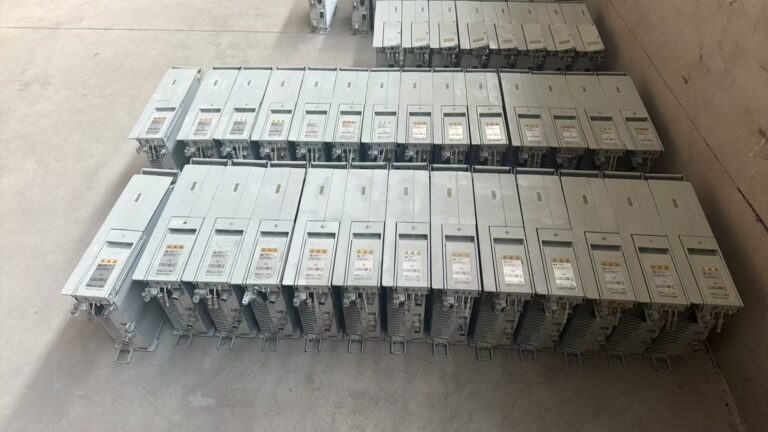
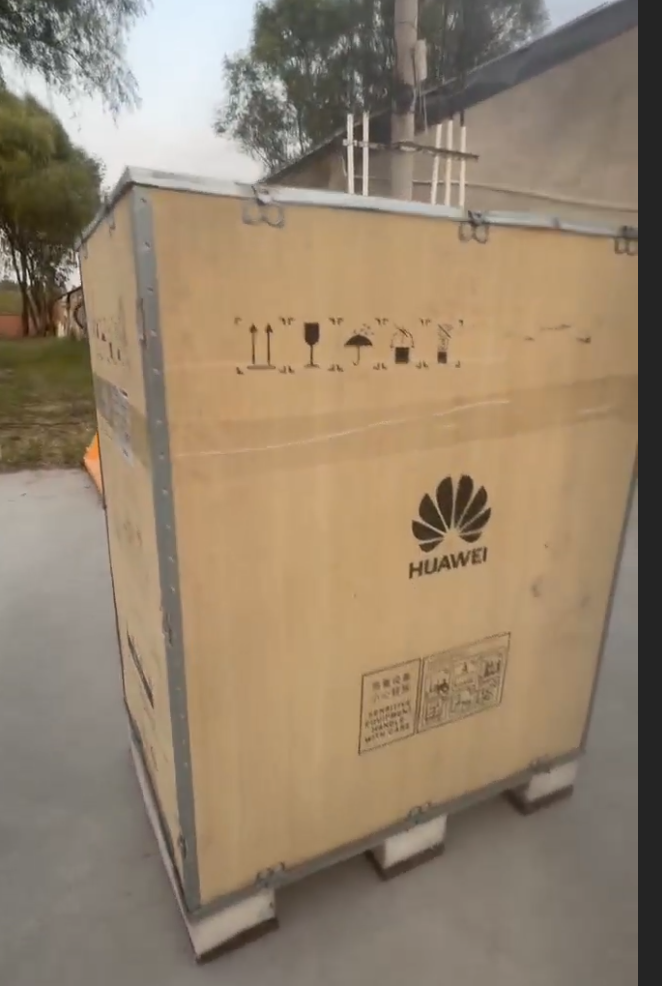
From our daily sourcing experience, mainland China has a very strong secondary market for Huawei and ZTE equipment. Products such as BBU, RRU, AAU, OSN, PTN, OLT, RTN, DWDM and related board cards are often easier to check in mainland China because these brands have large installed bases and stronger local supply chains.
However, when it comes to Ericsson, Nokia, Juniper, Cisco and some overseas telecom or IT equipment, the situation can be different.
Many of these models were not deployed in mainland China at the same scale as Huawei and ZTE. As a result, local dismantled supply in mainland China can be limited.
This is where Hong Kong becomes important.
Hong Kong Is Not Always Cheaper, But It Can Fill the Supply Gap
From our sourcing experience, Hong Kong is not always the cheapest source in the secondary telecom equipment market. In many cases, Hong Kong stock can be more expensive than mainland China stock.
However, Hong Kong has one important advantage: it can sometimes fill the supply gap that mainland China cannot cover.
Hong Kong is widely recognized as a Hong Kong re-export hub between Mainland China and the rest of the world. According to Hong Kong’s Trade and Industry Department, Hong Kong plays an important entrepot role for trade between the Mainland and global markets.
The Hong Kong Trade Development Council also describes the Hong Kong electronics industry as the city’s largest merchandise export earner, with electronics accounting for a major share of total exports and including telecommunications equipment, semiconductors and computer items.
For telecom spare parts buyers, this matters because Hong Kong is more connected to international trading channels. Some Ericsson radio units, Nokia AirScale parts, Nokia system modules, Ericsson DU/RRU parts, Juniper routers, Cisco equipment and data center hardware may be easier to source through Hong Kong channels than through mainland China’s local secondary market.
Why Ericsson and Nokia Demand Still Exists
Many telecom networks were originally built with Ericsson and Nokia equipment. Even if new supply channels change, the installed network still needs maintenance.
Buyers may still need Ericsson and Nokia equipment for:
- replacing failed radio units
- maintaining existing base station sites
- rebuilding damaged or removed sites
- keeping legacy networks running
- spare parts backup
- urgent repair
- matching existing hardware and software environments
This is especially common when the operator already has Ericsson or Nokia systems installed. In telecom networks, replacing one failed unit is usually more practical than changing the whole system.
We have many customers from Russia ,but Nokia announced in 2022 that it would exit the Russian market, while referring to necessary support to maintain networks in compliance with applicable rules. Ericsson also announced an orderly wind-down and later divested its local customer support business in Russia.This means there is still strong demand for Ericsson and Nokia spare parts in Russia.In addition, due to the recent Russia-Ukraine war, post-war reconstruction may also create many telecom infrastructure projects that need to be built or restored.We often receive RFQ lists from Russian customers, and one single list may contain thousands of spare parts requirements.For buyers maintaining existing networks, these market changes increased the importance of secondary-market sourcing.In this context, the Hong Kong secondary market becomes even more important.
Mainland China and Hong Kong Have Different Strengths
Mainland China is usually stronger for Huawei and ZTE equipment.
Common examples include:
- Huawei BBU
- Huawei RRU
- Huawei AAU
- Huawei OSN
- Huawei PTN
- Huawei OLT
- ZTE BBU
- ZTE RRU
- Huawei and ZTE board cards
- common cables, antennas and connectors
Hong Kong may be more useful when the RFQ is for overseas brands, such as:
- Ericsson radio units
- Ericsson DU/RRU parts
- Nokia AirScale equipment
- Nokia system modules
- Juniper routers
- Cisco equipment
- some overseas server and storage equipment
- certain data center hardware
This does not mean Hong Kong can solve every sourcing problem. Some models are still rare, expensive or unavailable. But for non-Huawei and non-ZTE equipment, Hong Kong is often a channel worth checking.
Why Hong Kong Stock Can Be More Expensive
Hong Kong stock may cost more for several reasons:
- supply may come from international channels
- local stock quantity may be limited
- traders already understand overseas demand
- logistics and handling costs can be higher
- rare models have fewer alternatives
- urgent orders can push prices up
- some goods need extra verification before shipment
For buyers, the key point is simple:
Hong Kong is not always about the lowest price. It is about access to models that may not be available in mainland China.
In secondary telecom equipment sourcing, the lowest offer is not always the safest option. The more important question is whether the supplier can find the correct model, correct part number, correct version and workable condition.
Model Confirmation Is Critical
For Ericsson, Nokia, Huawei, ZTE and other telecom equipment, model name alone is often not enough.
Buyers should confirm:
- exact model
- part number
- product code
- frequency band
- hardware version
- software compatibility
- condition
- quantity
- accessories required
- destination country
- required lead time
For used equipment, buyers should also request:
- serial label photos
- actual product photos
- condition confirmation
- testing evidence if available
- packing photos before shipment
- warranty terms
This is especially important for radio units and base station equipment because similar-looking units may support different bands, output power or software environments.
Compliance Should Be Checked Before Shipment
Hong Kong is an international trade hub, but telecom equipment orders still need compliance review.
Hong Kong Customs notes that exports of radio transmitting equipment and strategic commodities may be subject to controls depending on the product type and circumstances.
Before accepting an order, buyers and suppliers should confirm:
- destination country
- end user
- end use
- product type
- payment channel
- shipping route
- customs documentation
- whether the goods are subject to any restrictions
This is especially important when the destination market is sensitive or when the goods involve advanced telecom, radio or network equipment.
A professional supplier should not only focus on price. The order also needs to be practical, documentable and shippable.
How We Usually Check Ericsson and Nokia RFQs
When we receive Ericsson or Nokia RFQs, we usually check both mainland China and Hong Kong channels.
Our process may include:
- checking mainland China stock
- checking Hong Kong supplier channels
- confirming exact model and part number
- checking condition and quantity
- requesting serial label photos
- confirming whether accessories are included
- checking packing and shipping options
- confirming lead time
- confirming payment and compliance feasibility
For some models, mainland China can be faster and more cost-effective. For other models, Hong Kong may be the better option.
The best sourcing route depends on the exact RFQ.
What Buyers Should Send for Faster Quotation
A clear RFQ helps avoid wrong quotations and saves time.
Buyers should provide:
Brand: Ericsson / Nokia / Huawei / ZTE
Model:
Part Number / Product Code:
Frequency Band:
Quantity:
Condition: New / Used / Refurbished
Accessories Required:
Destination Country:
Required Lead Time:
Need Serial Label Photos: Yes / No
Need Testing Evidence: Yes / No
If the buyer has a label photo from the existing unit, it should be sent together with the inquiry.
Practical Insight from a China-Based Supplier
From our daily work, our view is this:
Mainland China is strong for Huawei and ZTE equipment. Hong Kong is valuable when the buyer needs overseas-brand equipment that is not commonly available in mainland China.
Hong Kong is not a magic solution. It may be more expensive, and some goods still need time to verify. But for Ericsson, Nokia, Juniper, Cisco and certain overseas telecom or IT products, Hong Kong can be an important supply channel.
For buyers, the practical sourcing strategy is not to check only one market. It is better to check both mainland China and Hong Kong, then compare availability, condition, price, lead time and shipping feasibility.
https://zejiuhengtrade.com/telecom_product/ericsson-baseband-6649-5g-nr-high-performance-bbu/
Telecom Spare Parts Sourcing Support
Baoding Enken Trading Company supports international buyers with telecom spare parts sourcing from China’s secondary market and Hong Kong channels.
Our supply scope includes:
- Huawei BBU, RRU, AAU
- ZTE BBU, RRU and boards
- Ericsson radio units and spare parts
- Nokia radio and transmission equipment
- BTS cards
- OLT, OSN, PTN, RTN, DWDM
- Juniper and Huawei core routers
- cables, antennas and connectors
For used and refurbished equipment, we can support:
- availability checking
- serial label photos
- condition confirmation
- testing when possible
- packing photos
- international shipping support
If you are looking for Ericsson, Nokia, Huawei or ZTE telecom spare parts, please send us the model number, part number, quantity, required condition and destination country. We will check availability from mainland China and Hong Kong channels and provide a quotation.
https://zejiuhengtrade.com/ https://enkentrade.com/
Request a Quote
Looking for Ericsson or Nokia telecom spare parts that are difficult to find in mainland China?
Send us your RFQ list. We can help check both mainland China and Hong Kong secondary-market supply.