

A Quotation Does Not Always Mean Supply Is Feasible in the Secondary Telecom Market
In the secondary telecom equipment market, receiving a quotation does not always mean that the order can actually be completed.
This does not mean that a supplier must already have the full quantity in its warehouse before quoting.
The telecom spare parts market contains thousands of models, part numbers, hardware versions and frequency-band configurations. It is unrealistic for most suppliers to keep large quantities of every product in stock.
For many used and refurbished equipment orders, suppliers begin collecting the goods from different market channels after the customer confirms the order and arranges payment.
This is a normal sourcing model in the secondary telecom market.
The real question is not simply:
“Does the supplier have all the units in its warehouse today?”
A more important question is:
“Has the supplier correctly identified the product and professionally evaluated whether the required quantity, condition, price and delivery time are achievable?”
As a China-based telecom spare parts supplier, we regularly source Huawei, ZTE, Ericsson, Nokia and Juniper equipment. Our supply scope includes BBU, RRU, AAU, board cards, OLT, OSN, PTN, RTN, DWDM and related accessories.
From our experience, an honest feasibility assessment is often more valuable than the lowest quotation.
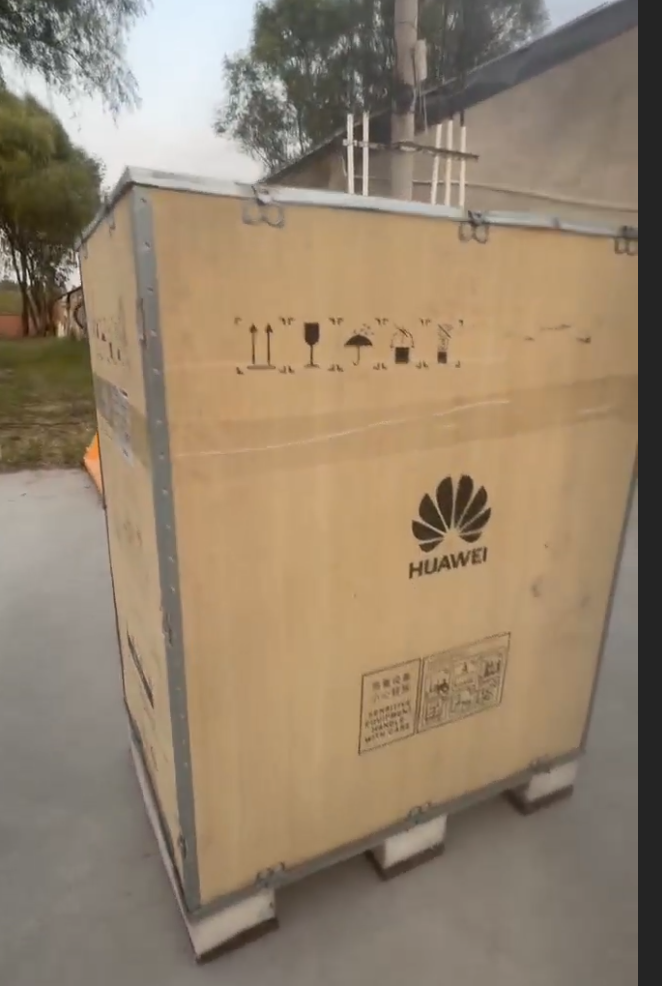
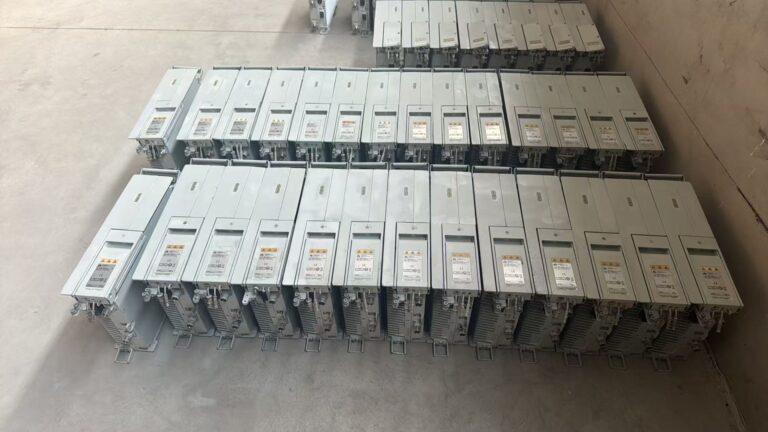
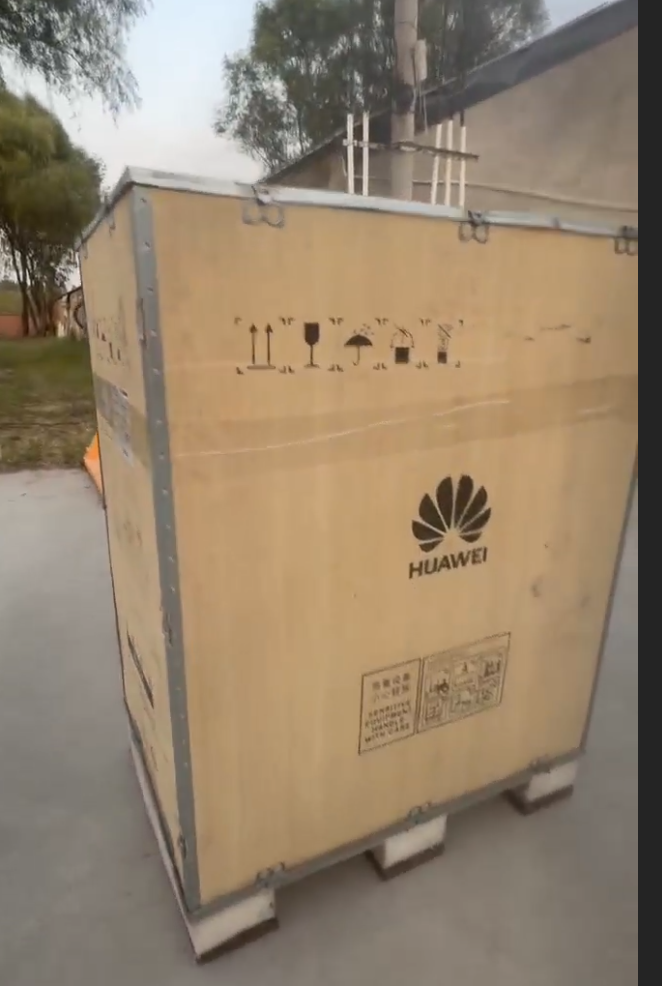
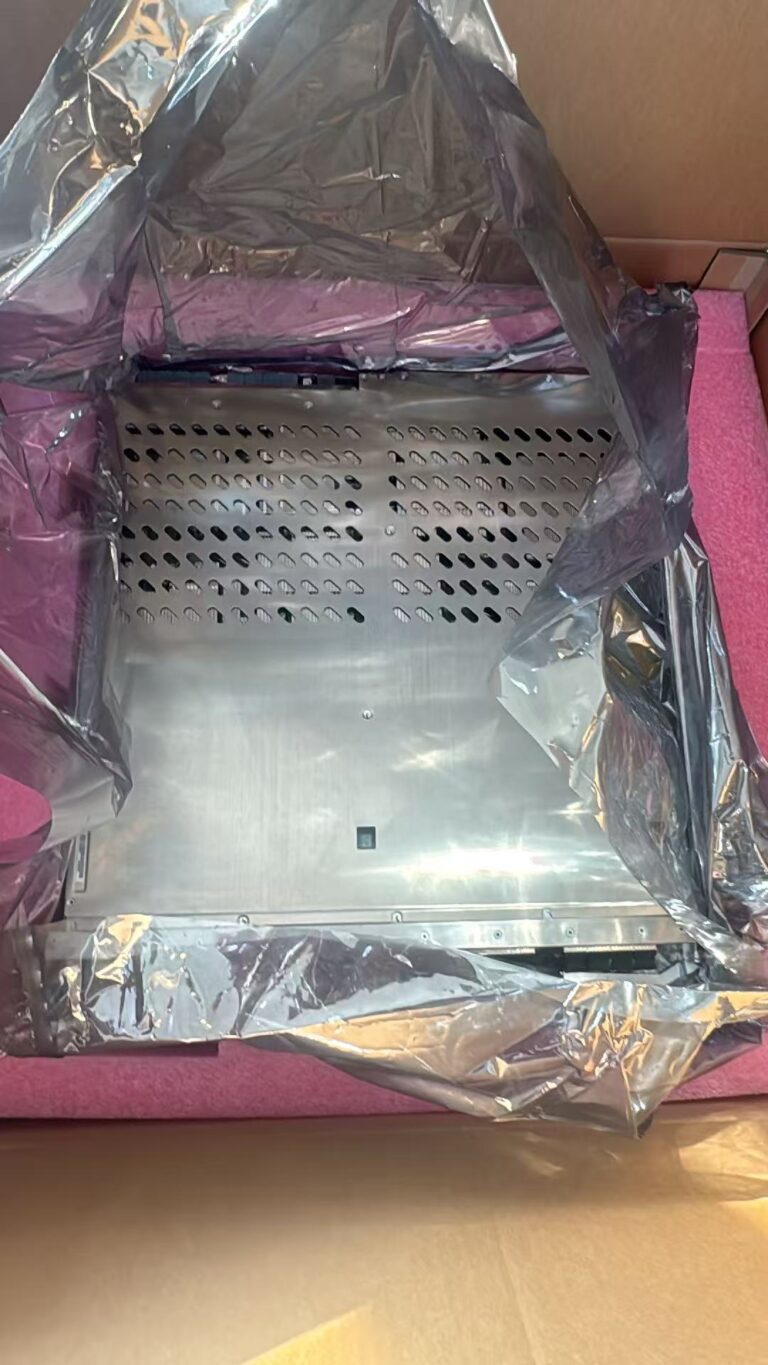
A Real Huawei RRU5517t Sourcing Case
A Russian buyer once asked us to supply a quantity of Huawei RRU5517t units.
After checking our sourcing channels and discussing the requirement with experienced market partners, we concluded that the requested quantity was not realistically available at that time.
We therefore told the buyer that we could not support the order.
The buyer continued sending the RFQ to other suppliers. Eventually, one company provided a quotation and said it could handle the requirement.
The buyer used that price to secure its downstream order and then placed the purchase order with the supplier.
However, according to the buyer, the supplier spent approximately three months searching for the equipment without finding a single qualified unit.
The buyer later discovered that the company had only been established for around two months and that its stated business address could not be properly verified.
The order value exceeded RMB 500,000.
The main problem was not that the supplier did not already have all the goods in its warehouse. In our industry, collecting equipment after receiving an order is common.
The problem was that the supplier offered a price without first making a realistic assessment of:
- Whether RRU5517t units were circulating in the market
- Whether the required quantity could be collected
- Whether the exact frequency-band configuration was available
- Whether the units could meet the required condition
- Whether the quoted price could be maintained during collection
- Whether the proposed delivery time was achievable
A quotation without a reliable feasibility assessment can create serious risks for both the buyer and the supplier.
Why Huawei RRU5517t Can Be Difficult to Source
Huawei RRU5517t is not just a simple or universal radio unit designation.
Publicly available RRU5517t hardware information shows that the product can involve different frequency-band combinations and technical configurations. Its nameplate provides important identification information, including the module name, frequency band and power supply.
Before searching for this product, the buyer and supplier should confirm:
- Exact model
- Part number
- Frequency-band combination
- Hardware version
- Power configuration
- Required quantity
- Required condition
- Mounting kits and connectors
- Acceptable production date
- Required delivery time
Even if some RRU5517t units can be found, they may not match the buyer’s required configuration.
This is why a professional supplier should not quote based only on the general model name.
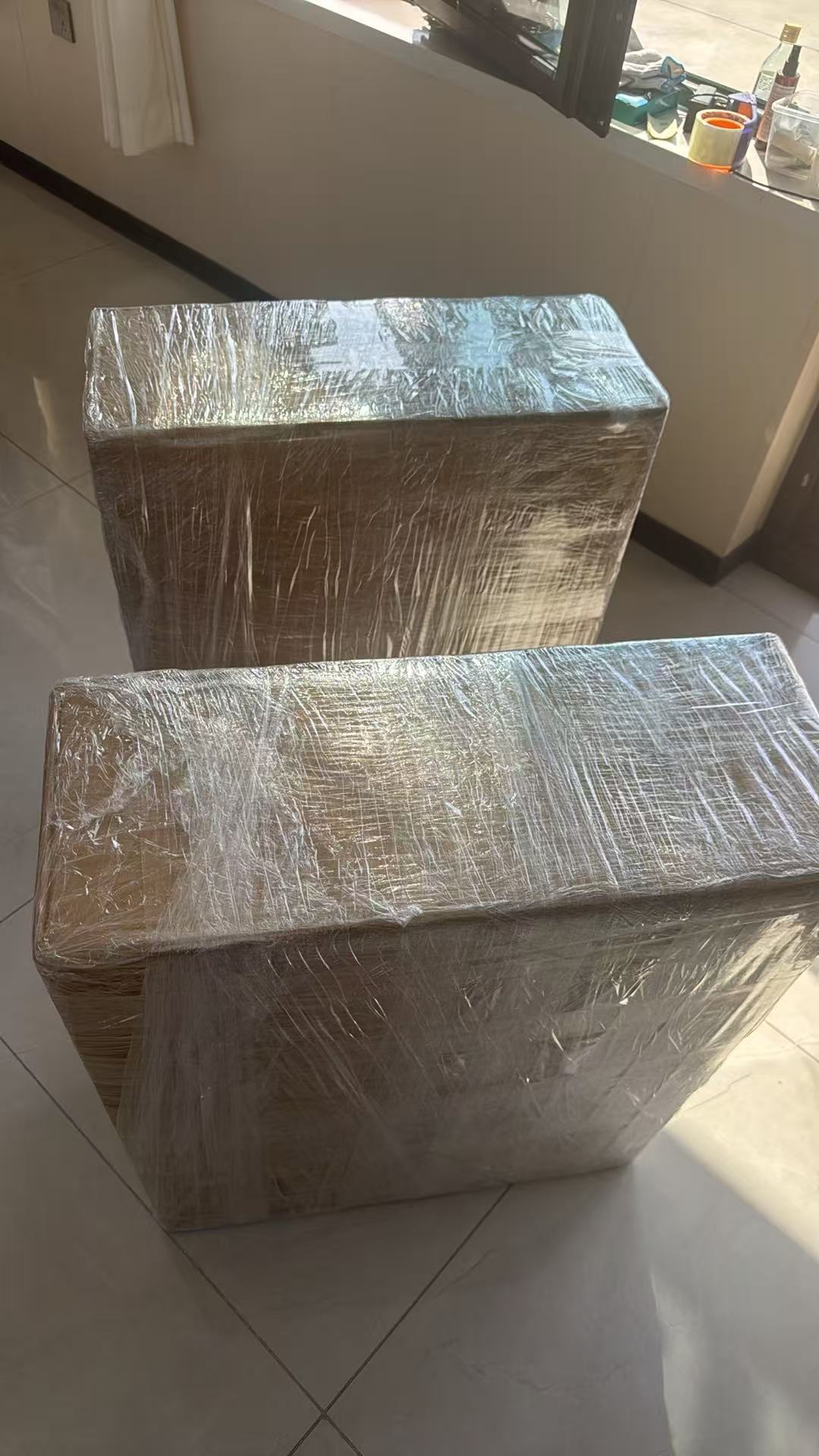
MA5633 Is Not Automatically MA5633-XB10
Another case involved a requirement for Huawei MA5633-XB10.
After checking the market, we told the buyer that we could not support the requested product at that time.
Another supplier provided a quotation. However, after reviewing the offer, we discovered that the supplier had quoted MA5633 instead of the exact MA5633-XB10 requested by the customer.
These names should not be treated as automatically interchangeable.
Huawei officially identifies the MA5633-XB10 as a specific DOCSIS 3.0 building device in its Cable-CMC product family.
Huawei’s official announcement also describes the MA5633-XB10 as a distributed converged cable access platform product designed for corridor installation in HFC networks.
A quotation containing only “MA5633” does not prove that the proposed equipment is an MA5633-XB10 or that it meets the same technical requirements.
Before accepting an offer, the buyer should confirm:
- Complete model name
- Part number
- Product version
- Interface configuration
- Power supply
- Installation environment
- DOCSIS version
- Required accessories
A missing suffix can represent a significant product difference.
A Price Is Only One Part of a Telecom Spare Parts Quotation
Many buyers send the same RFQ to a large number of suppliers and compare only the prices they receive.
Price comparison is reasonable, but the lowest price may come from:
- An incorrect model
- A different part number
- A different frequency band
- An incomplete configuration
- A unit without the required accessories
- An outdated market price
- An unverified sourcing channel
- An unrealistic delivery estimate
- A supplier with insufficient product knowledge
In some cases, the person sending the RFQ may not fully understand the equipment. The trader may assume that receiving a price means the goods can be supplied.
However, finding a product name online and obtaining a quotation are very different from successfully collecting, inspecting, testing and delivering the correct equipment.
How Sourcing Normally Works in the Secondary Telecom Market
There are too many telecom equipment models for suppliers to maintain large inventories of every item.
A typical secondary-market order may follow this process:
- The buyer provides the model, part number, quantity and technical requirements.
- The supplier checks its own inventory and available market channels.
- The supplier evaluates the expected availability, price and lead time.
- Both parties confirm the commercial terms and sourcing risks.
- The buyer arranges payment according to the agreed terms.
- The supplier begins collecting the equipment from different sources.
- The collected units are inspected and tested.
- Unqualified units are rejected and replaced where possible.
- Qualified units are packed and shipped.
For large orders, the supplier may need to collect equipment gradually from several projects, operators, recycling channels or market partners.
This process can take time.
The absence of immediate warehouse inventory does not automatically mean that a supplier is unreliable. What matters is whether the supplier understands the product, has genuine sourcing channels and communicates the risks honestly.
Why Large-Quantity Orders Are More Difficult
Collecting five units and collecting 500 units are completely different projects.
As the supplier collects more units, the remaining market quantity becomes smaller. Other traders may also notice the demand and begin searching for the same model.
This can lead to:
- Reduced market availability
- Increasing purchase prices
- Longer sourcing time
- More units failing inspection
- Inconsistent hardware versions
- Missing mounting kits or connectors
- Different production dates
- Difficulty maintaining the original contract price
For this reason, a supplier may be confident about collecting the first batch but unable to guarantee the complete quantity immediately.
The supplier should explain this before the order is finalized.
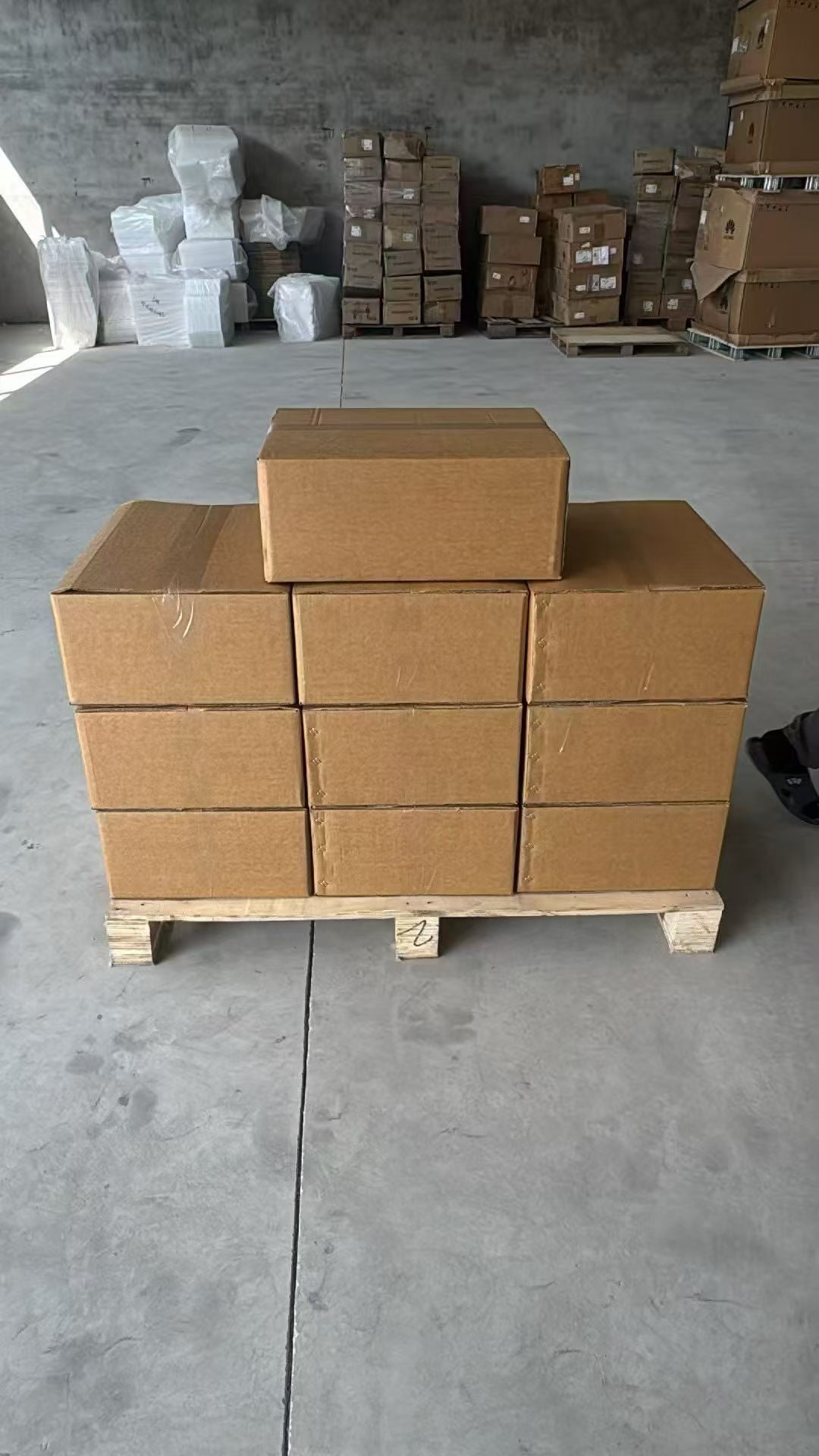
Why Some Quotations Cannot Be Fulfilled
1. The supplier quotes before checking the exact model
A supplier may see only the general model name and fail to check the suffix, part number, frequency band or hardware version.
2. The quotation is based on a similar product
The offered equipment may look similar but may not be technically compatible with the buyer’s network.
3. The price comes from an outdated transaction
A product that was available six months ago may no longer be circulating at the same price.
4. The supplier underestimates the required quantity
Finding a few units does not mean that hundreds of qualified units can be collected.
5. The supplier relies on an uncertain source
The quotation may pass through several intermediaries before reaching the buyer. Each intermediary may believe that another party can supply the goods.
6. The supplier provides a low price to secure the order
Some suppliers quote an attractive price first and expect to renegotiate the price, extend the delivery time or offer a substitute after receiving payment.
7. The supplier lacks telecom product knowledge
A general trading company may not understand the difference between models, part numbers, frequency bands, hardware versions and compatible accessories.
What Buyers Should Confirm Before Placing an Order
Confirm the Exact Product
A professional RFQ should include:
- Brand
- Exact model
- Part number
- Quantity
- Required condition
- Frequency band
- Hardware version
- Required accessories
- Destination country
- Expected delivery time
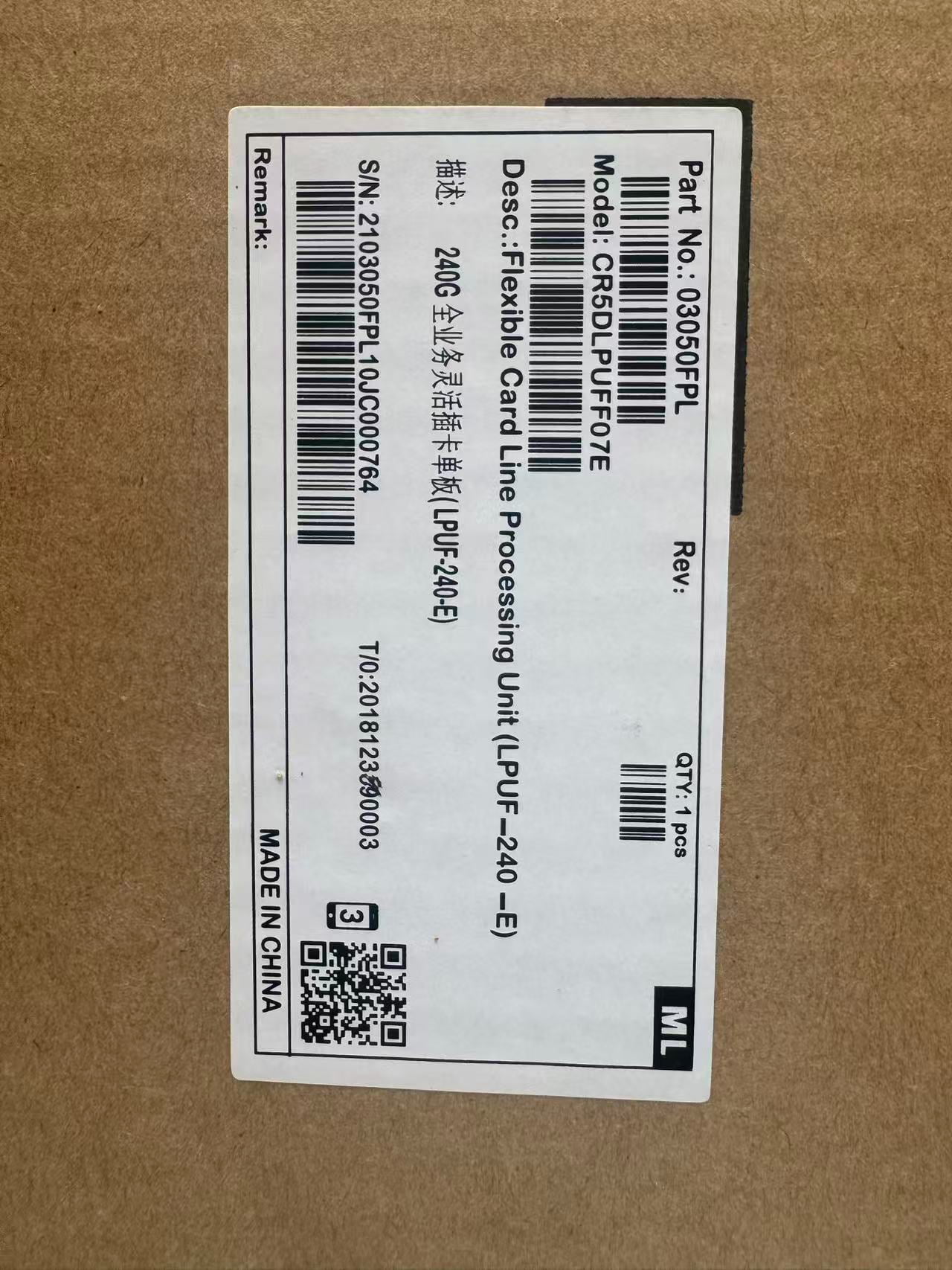
If the part number is unknown, the buyer should provide clear label photos or information about the installed platform.
Ask About the Sourcing Method
The buyer should understand whether the equipment will come from:
- Supplier inventory
- Partner inventory
- Operator network upgrade projects
- Base station dismantling projects
- Surplus project materials
- Equipment collected from the secondary market
Different sourcing methods involve different lead times and risks.
Confirm Whether Collection Is Required
If the equipment must be collected after payment, the buyer and supplier should agree on:
- Estimated collection period
- Minimum acceptable quantity
- Whether partial delivery is allowed
- Whether equivalent part numbers are acceptable
- Condition and testing requirements
- Treatment of rejected units
- Refund arrangements for undelivered quantities
Evaluate the Supplier’s Product Knowledge
A qualified supplier should be able to discuss:
- Model differences
- Part-number differences
- Frequency bands
- Hardware versions
- Compatible platforms
- Included accessories
- Testing limitations
- Realistic lead time
A very quick price without any technical questions may require additional caution.
Use Practical Terms for Large Orders
For high-value or large-quantity orders, both parties can consider:
- Batch collection
- Batch inspection
- Batch delivery
- Third-party inspection
- Regular collection reports
- Serial number records
- Written terms for undelivered quantities
- Refunds for quantities that cannot be supplied
These arrangements can reduce risk without requiring the supplier to hold the entire quantity before the order begins.
The Russian Telecom Spare Parts Market
Based on the RFQs we receive, demand from Russia and Russian-speaking markets remains active, especially for equipment used to maintain existing telecom networks.
International supply routes have also become more complicated.
Nokia officially announced its exit from the Russian market in 2022. Ericsson also announced the indefinite suspension of its affected business in Russia.
Export controls and sanctions have added further compliance requirements. The U.S. Bureau of Industry and Security maintains updated Russia and Belarus export-control guidance.
These developments do not mean that every telecom spare part is restricted or unavailable. However, they have made sourcing channels more fragmented and increased the importance of compliance screening.
Buyers and suppliers should check the rules applicable to the product, country of origin, destination, end user and intended use before shipment.
What a Responsible Supplier Should Say
In the secondary telecom market, professional sourcing does not mean saying yes to every RFQ.
Sometimes the correct answer is:
“Based on the current market situation, we cannot confidently support this requirement.”
This does not mean the item can never be found. It means that the supplier does not currently have enough evidence to promise the requested quantity, price or delivery time.
A responsible supplier should clearly distinguish between:
- Available units
- Goods that can probably be collected
- Products that require a long collection period
- Items dependent on a future dismantling project
- Requirements that are currently not feasible
An honest “not feasible at present” may prevent the buyer from winning an order based on a supply promise that cannot be fulfilled.
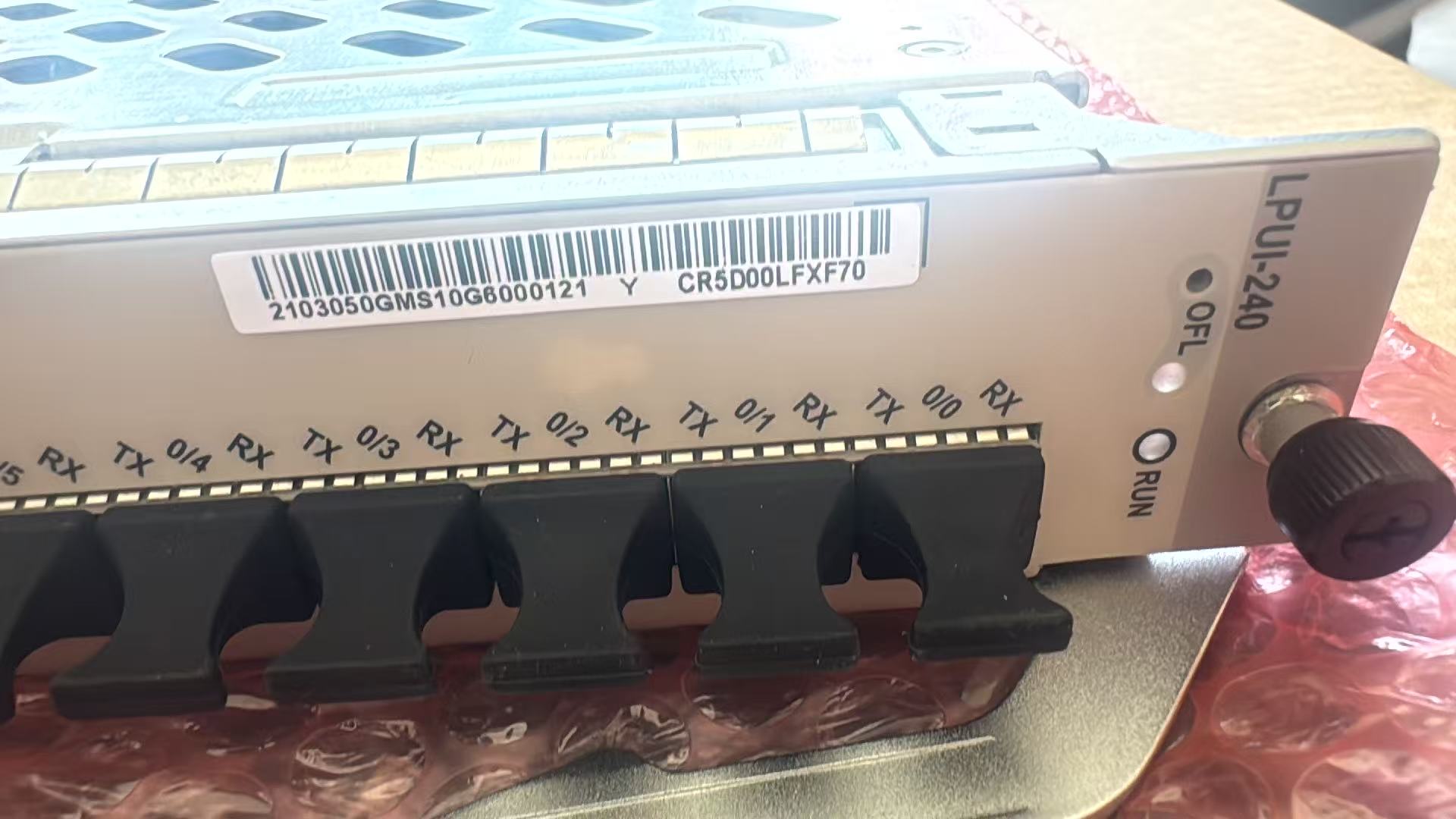
Our Practical Approach to Telecom Spare Parts Sourcing
When we receive an RFQ, we first confirm the product information and evaluate the secondary-market situation.
For difficult or large-quantity orders, we may explain that:
- The goods need to be collected gradually
- The final quantity cannot be guaranteed immediately
- The market price may change during collection
- Some collected units may fail inspection
- Different hardware versions may appear
- Accessories may need to be purchased separately
- Batch delivery may be more practical
After the goods arrive at our warehouse, we can provide, where applicable:
- Model and part-number verification
- Serial label photos
- Visual-condition inspection
- Power-on and functional testing
- Test photos or videos
- Packing photos
- Export packing
- Third-party inspection support
The exact testing scope depends on the product and the available test environment.
Final Thoughts
The secondary telecom equipment market cannot be evaluated in the same way as a standard factory-stock business.
Suppliers do not need to keep every model and every quantity in their warehouses. Collecting goods after receiving an order is a normal part of this industry.
However, before providing a quotation, the supplier should make a professional assessment of:
- Whether the requested product has been correctly identified
- Whether the required quantity is realistically collectible
- Whether the expected price is sustainable
- Whether the delivery time is achievable
- Whether the product can meet the buyer’s technical requirements
For buyers, the goal should not be to find the first supplier willing to provide a price.
The goal should be to find a supplier who understands the equipment, understands the secondary market and is willing to explain the real risks.
In telecom spare parts sourcing, the lowest quotation may win the order. But only a realistic sourcing plan can complete it.
Frequently Asked Questions
Must a telecom spare parts supplier have all goods in stock before accepting an order?
No. Because the industry contains thousands of models and configurations, many orders are collected from the secondary market after confirmation and payment.
Does receiving a quotation mean the complete quantity can be supplied?
Not necessarily. A quotation should be supported by a realistic assessment of the model, quantity, market availability, price and lead time.
Is Huawei MA5633 the same as MA5633-XB10?
They should not be treated as automatically identical. MA5633-XB10 is a specific Huawei Cable-CMC product. The complete model, part number and configuration must be verified.
Why can the lead time change during collection?
Availability may decrease, market prices may increase, some units may fail inspection, or the collected equipment may have different versions and missing accessories.
How can buyers reduce risk on large orders?
Buyers and suppliers can agree on batch collection, batch delivery, inspection requirements, progress updates and written refund terms for quantities that cannot be supplied.
Why would a professional supplier refuse to quote?
The supplier may determine that the quantity, specification, price or delivery requirement is not currently achievable. Refusing an unrealistic order can protect both parties from future losses.
Author: Alison Liu
Company: Baoding Enken Trading Co., Ltd.
Industry Experience: Secondary telecom equipment and spare parts sourcing
Supply Scope: Huawei, ZTE, Ericsson, Nokia and Juniper BBU, RRU, AAU, board cards, OLT, OSN, PTN, RTN, DWDM and related accessories.
Compliance Notice: Product availability and export eligibility must be evaluated case by case. Buyers and sellers are responsible for complying with applicable export controls, sanctions, customs regulations and end-user requirements.